The transition from academic environments to high-stakes enterprise software engineering is often marked by a steep learning curve, technical anxiety, and the psychological hurdles of impostor syndrome. For many engineering graduates entering the workforce through campus placement drives, the traditional university setting provides a controlled sandbox where code is isolated to sample datasets and evaluated primarily for academic grading. However, navigating enterprise-grade systems requires an entirely different paradigm—one defined by rigorous scalability, long-term maintainability, resilient architecture, and direct impact on live production environments. This pivotal career transition is increasingly shaped not only by mentorship and institutional culture, but also by the rapid integration of artificial intelligence into the daily workflows of modern development teams.
Campus Recruitment and the Initial Reality Check
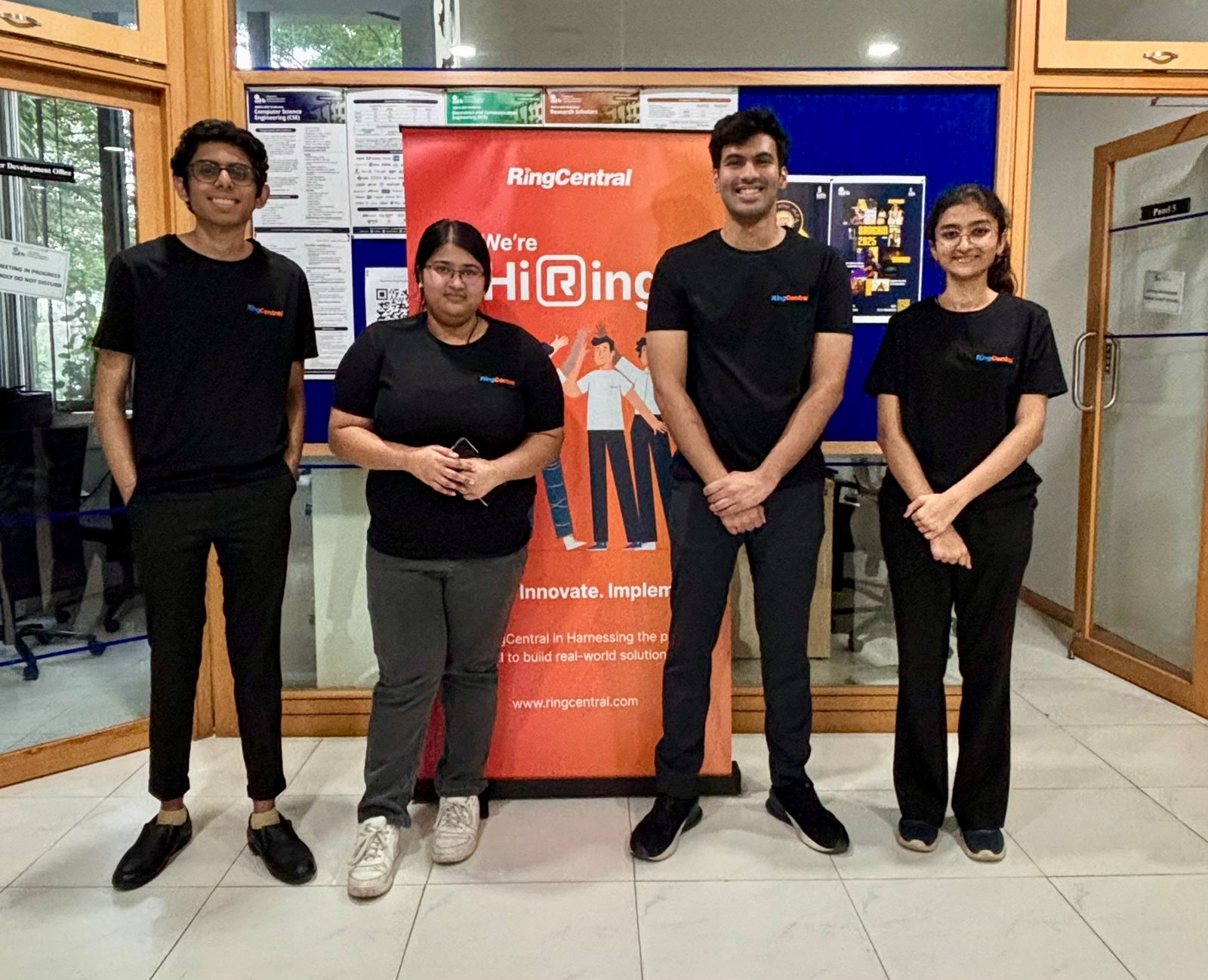
The journey typically begins in university placement cells, where corporate recruiters scout for emerging technical talent. For individuals securing positions such as Software Development Intern through competitive campus placement initiatives—such as those conducted via the International Institute of Information Technology, Bangalore (IIITB)—the acceptance letter marks both a major milestone and the onset of professional apprehension. Initial expectations among incoming interns frequently center on peripheral tasks: isolated bug fixes, minor documentation updates, and sandboxed feature development designed to keep junior personnel occupied without risking mission-critical systems.
Reality, however, sets in almost immediately upon onboarding. Enterprise codebases span millions of lines of complex logic, involving distributed systems, microservices architectures, and strict performance SLAs. Navigating such vast code repositories for the first time resembles deciphering an intricate, multi-layered manuscript. Interns quickly discover that writing functional code is merely a baseline requirement; true software engineering demands deep comprehension of system design, fault tolerance, data flow optimization, and backward compatibility. Rather than being quarantined from critical operations, modern engineering internship programs at major technology firms increasingly integrate newcomers directly into core development pipelines, accelerating their transition from academic theory to practical application.
Mentorship, Culture, and the Multidimensional Workplace
A critical factor in bridging the gap between student and professional developer is the availability of structured mentorship. Engineering interns often grapple with hesitation regarding perceived "basic" questions, fearing they might disrupt senior personnel. Yet, effective engineering leadership emphasizes teaching juniors how to think like system designers rather than merely rote coders. Mentors guide interns through architectural nuances, rationalizing why specific design decisions were implemented, evaluating trade-offs between latency and throughput, and encouraging active participation in technical discussions.
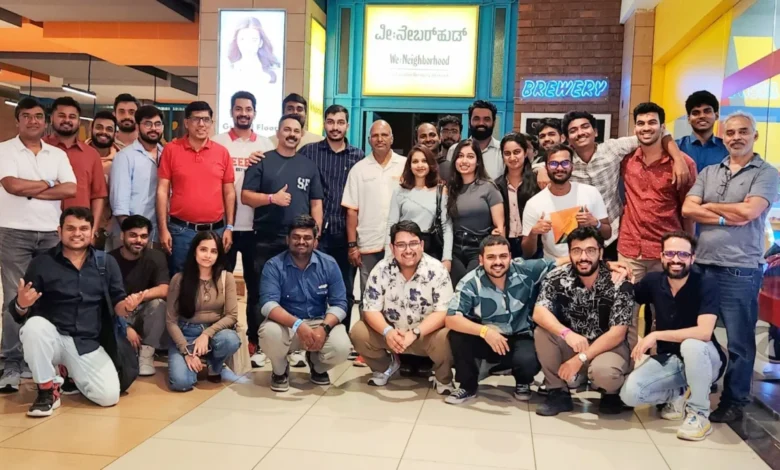
Beyond the terminal window, corporate culture plays an instrumental role in talent retention and professional satisfaction. Modern technology workplaces increasingly emphasize holistic employee well-being alongside technical rigor. Corporate milestones—such as regional office anniversary celebrations—frequently incorporate cultural and recreational activities that allow engineers to express diverse talents outside of programming. Workplace environments that support creative expression, community engagement, and psychological safety foster higher employee morale, reduce burnout, and cultivate long-term organizational loyalty.
The Chronology of Conversion: From Intern to Full-Time Engineer
The trajectory from an introductory internship to a full-time Software Development Engineer (SDE 1) position typically follows a structured six-month evaluation timeline. This progression is characterized by distinct phases of technical maturation:
- Months 1 to 2 (Onboarding and Familiarization): New engineers focus on setting up local development environments, understanding the organization’s proprietary tech stack, studying system architecture documentation, and resolving low-severity tickets or minor bug fixes under close supervision.
- Months 3 to 4 (Feature Contribution and Code Reviews): Engineers begin contributing meaningful feature modules, participating in peer code reviews, writing automated test suites, and handling moderate debugging tasks within live staging environments.
- Months 5 to 6 (Production Pushes and Autonomy): Interns take on higher-stakes responsibilities, deploying code directly to production environments, monitoring system performance metrics, and collaborating cross-functional teams to resolve deployment anomalies.
- Post-Internship Evaluation and Full-Time Transition: Upon successful completion of the probationary internship period, high-performing candidates receive full-time conversion offers, shifting their operational status from task-oriented contributors to autonomous system owners.
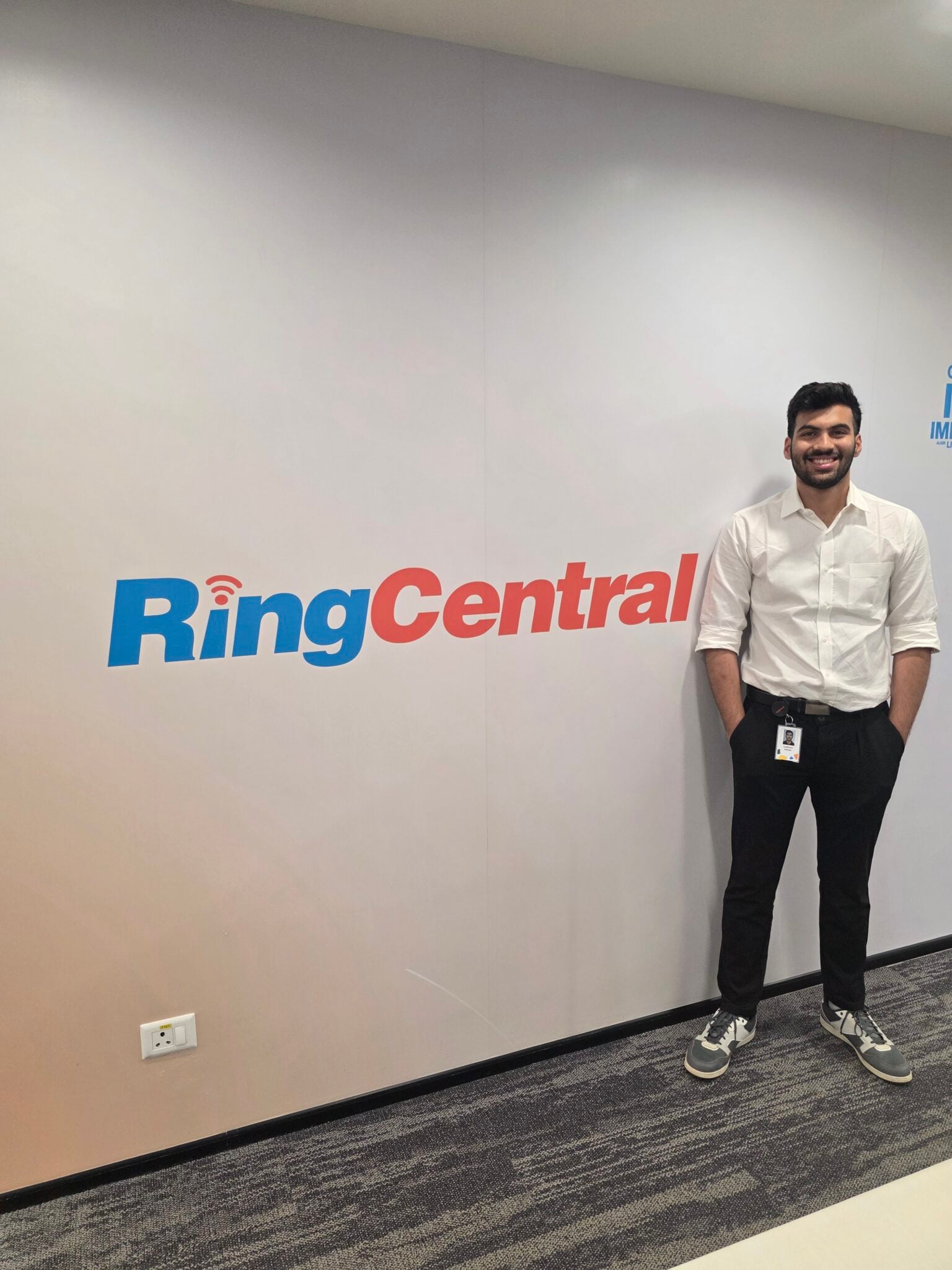
Upon crossing the threshold into a full-time SDE 1 role, engineers assume end-to-end ownership of new feature modules. This transition requires a fundamental shift in perspective: from executing assigned sub-tasks to diagnosing and resolving production incidents from scratch, optimizing system performance under load, and ensuring the long-term maintainability of deployed code.
The Integration of AI-Native Workflows
A defining characteristic of contemporary software development is the pervasive integration of artificial intelligence tools from day one. As technology companies transition toward becoming AI-native workplaces, generative AI models and intelligent coding assistants have transformed how junior engineers onboard and execute complex tasks.
AI contributes significantly across several critical phases of the software development lifecycle:
- Implementation Roadmaps: Assisting developers in conceptualizing end-to-end user flows and structuring feature blueprints.
- Code Deciphering: Explaining complex, legacy, or undocumented code blocks to accelerate comprehension for newly onboarded team members.
- Test Plan Generation: Automating the creation of comprehensive test cases, boundary conditions, and edge-case scenarios—traditionally regarded as one of the most time-consuming aspects of software development.
- Productivity Enhancement: Simplifying confusing architectural concepts and reducing the cognitive load associated with navigating massive enterprise codebases.
By embedding AI into daily routines, organizations not only accelerate the onboarding velocity of junior developers but also establish higher baselines of engineering productivity and code quality across the entire enterprise.
Industry Implications and Future Outlook
The evolving dynamics of software engineering internships and early-career transitions hold significant implications for the broader technology sector. As enterprise applications grow increasingly complex—driven by cloud-native infrastructures, real-time communications demands, and AI integration—traditional academic curricula alone cannot fully prepare graduates for the realities of production-grade software development.
Consequently, technology enterprises are investing heavily in structured bridge programs, combining rigorous mentorship, immersive production exposure, and AI-augmented tooling. This ecosystem approach addresses the tech talent gap by accelerating the productivity curve of entry-level engineers. For the broader industry, cultivating a workforce that balances technical curiosity, system-level thinking, and psychological well-being ensures resilient teams capable of sustaining innovation in an increasingly competitive global market. The journey from campus audits to code reviews remains a foundational rite of passage, one that continues to shape the next generation of technological leadership.