
In the rapidly evolving digital marketplace, data has transitioned from a supplementary asset to the primary compass for business sustainability. For merchants operating on platforms like WooCommerce, the sheer volume of available metrics—ranging from customer acquisition costs to granular product performance—can be overwhelming. However, the key to scaling an online business lies not in tracking every available data point, but in identifying the specific insights that answer fundamental questions about profitability, customer retention, and operational efficiency. By systematically integrating built-in reporting tools with advanced analytics extensions, store owners can transform raw numbers into actionable strategic initiatives.

The Foundation of Data-Driven Decision Making
The initial phase of any robust analytics strategy is the formulation of precise business queries. Before diving into complex datasets, stakeholders should establish a clear objective. Are sales fluctuations driven by seasonal trends or product-specific issues? Is a high volume of orders resulting in a proportional increase in net revenue, or are profit margins being eroded by aggressive discounting and operational overhead?
WooCommerce provides a comprehensive suite of native reporting tools designed to offer immediate visibility into these performance indicators. These built-in reports serve as the primary source of truth for order volume, net sales, and average order value (AOV). For most emerging businesses, these tools provide sufficient depth to identify performance bottlenecks. It is only when these standard metrics fail to explain complex behavioral shifts—such as a sudden decline in cart conversion rates or the stagnation of repeat customer growth—that a merchant should look toward third-party integrations and advanced analytical suites.

Analyzing Sales Drivers and Revenue Leakage
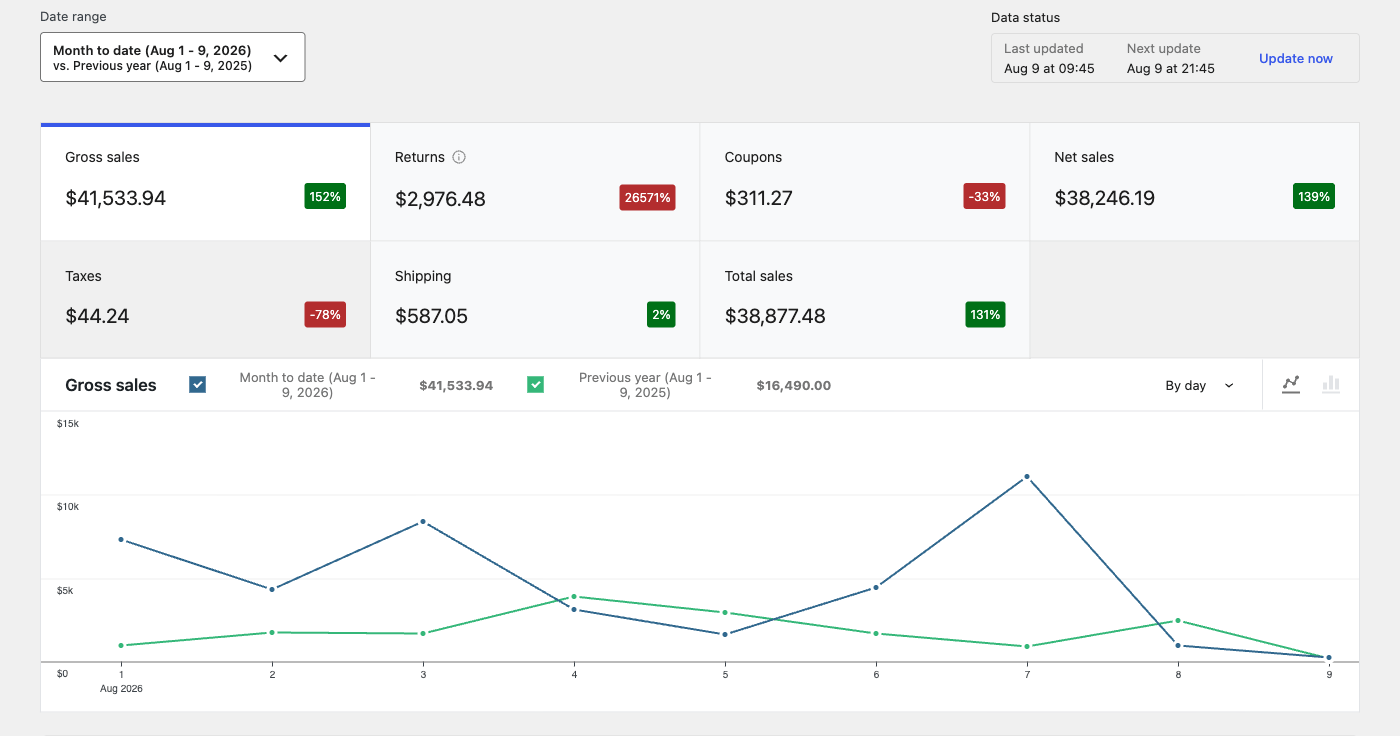
To understand the health of a store, one must first master the distinction between order volume and net revenue. A 25% increase in order count does not inherently signify growth; if the net sales remain stagnant, the business is effectively processing more transactions for lower margins. This scenario often points to a shift in consumer behavior, such as a preference for lower-priced items or an over-reliance on promotional coupons that diminish the bottom line.
The Orders and Products reports are the first line of defense in diagnosing such trends. By comparing current performance against historical benchmarks, managers can isolate the specific products that are driving volume versus those driving profit. A "volume leader" might generate high traffic, but if it requires heavy discounting, its contribution to the net profit may be negligible. Conversely, identifying high-margin products that are currently under-promoted allows for a reallocation of marketing resources toward items that offer a better return on investment.
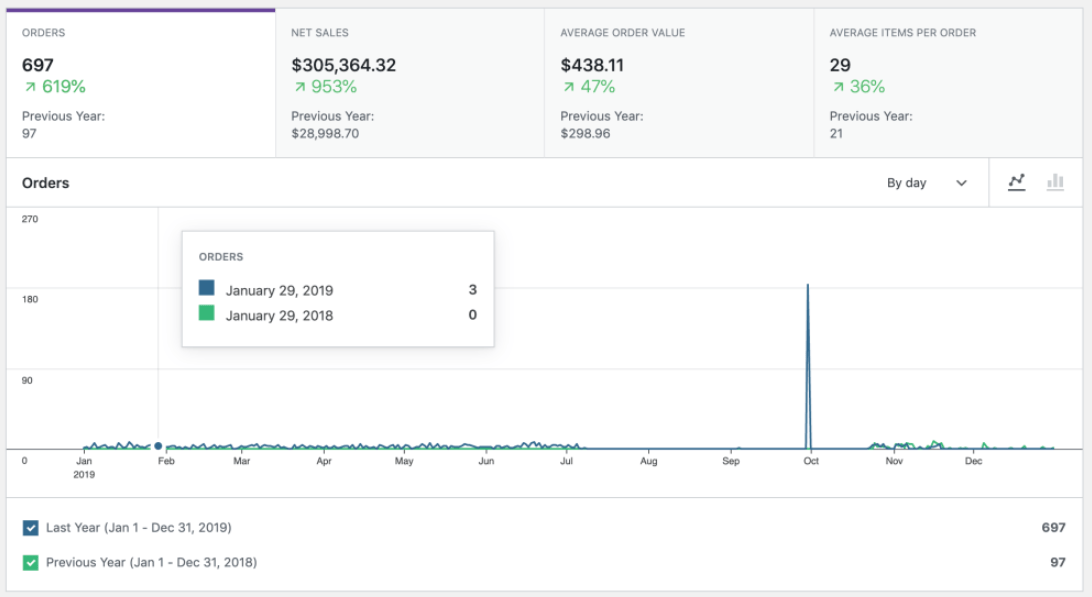
Furthermore, revenue leakage—often manifesting as excessive refunds or coupon-driven margin erosion—requires a targeted approach. If a particular product line exhibits a high return rate, the underlying data should trigger a quality control investigation. Similarly, the Coupons Report serves as a critical diagnostic tool, allowing store owners to determine whether specific discounts are successfully converting new leads or simply subsidizing existing customers who would have purchased regardless.
Segmenting the Customer Journey
Understanding the "who" behind the "what" is essential for long-term customer lifetime value (CLV) optimization. Modern e-commerce analytics allow for the segmentation of shoppers into distinct groups: repeat purchasers, high-spenders, and regional cohorts. By leveraging the Customers Report, merchants can identify patterns that inform personalized marketing campaigns.
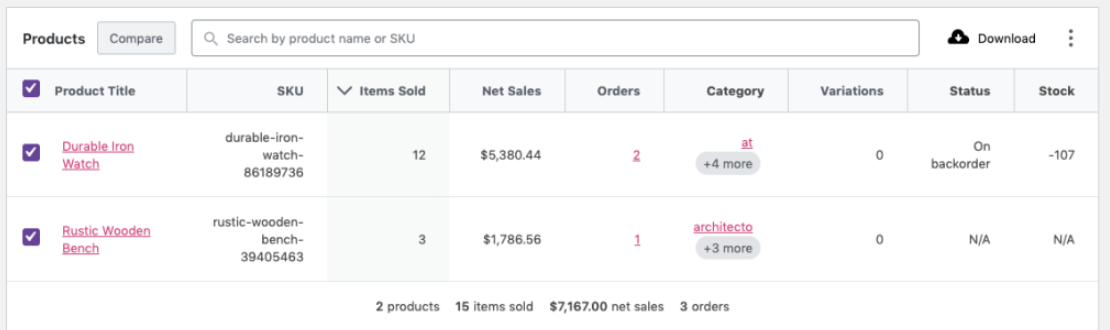
For instance, a segment of customers characterized by frequent, low-AOV purchases represents an ideal target for product bundling strategies. Meanwhile, high-spending repeat customers can be engaged for loyalty programs or testimonial generation. By moving beyond aggregate data and focusing on these specific behavioral segments, businesses can improve the relevance of their outreach, thereby increasing retention and reducing acquisition costs.
The Role of Integrated Analytics in Modern Retail
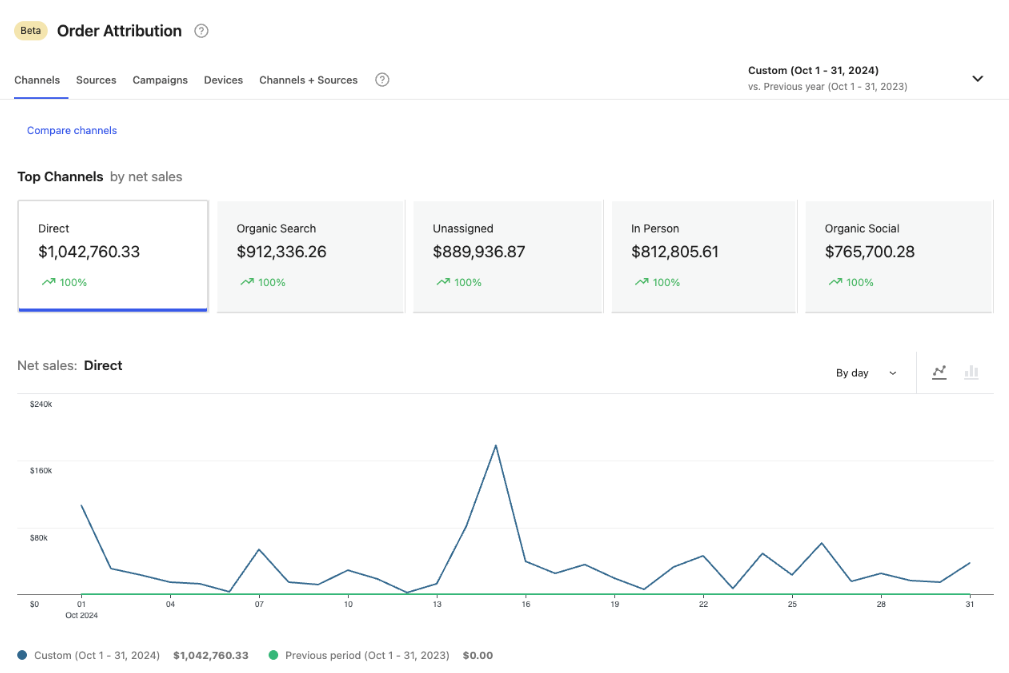
As a business scales, the complexity of its sales channels necessitates a more nuanced view of the buyer’s journey. While WooCommerce provides the essential data on where a sale is finalized, external platforms such as Google Analytics 4 (GA4) are required to map the preceding interactions. The integration of WooCommerce with GA4 creates a comprehensive view of the sales funnel, from initial product discovery to the final checkout.
This integration is particularly vital for diagnosing "leaks" in the conversion path. If data indicates that a bestseller is losing traction, GA4 can clarify whether the issue stems from a drop in organic traffic to the product page or a failure to convert visitors once they arrive. This distinction is critical: a traffic problem requires top-of-funnel marketing investment, whereas a conversion problem necessitates UX improvements or refined product descriptions.
Advanced Tooling for Complex Business Models
For businesses with recurring revenue models, such as subscription services, standard analytics are often insufficient. Specialized extensions, such as those designed for WooCommerce Subscriptions, provide the necessary visibility into churn rates, renewal cycles, and recurring revenue growth. Similarly, when profit margins are tight, the implementation of Cost of Goods Sold (COGS) reporting allows for a true assessment of profitability at the product level, moving beyond gross revenue to reveal the actual financial health of individual categories.
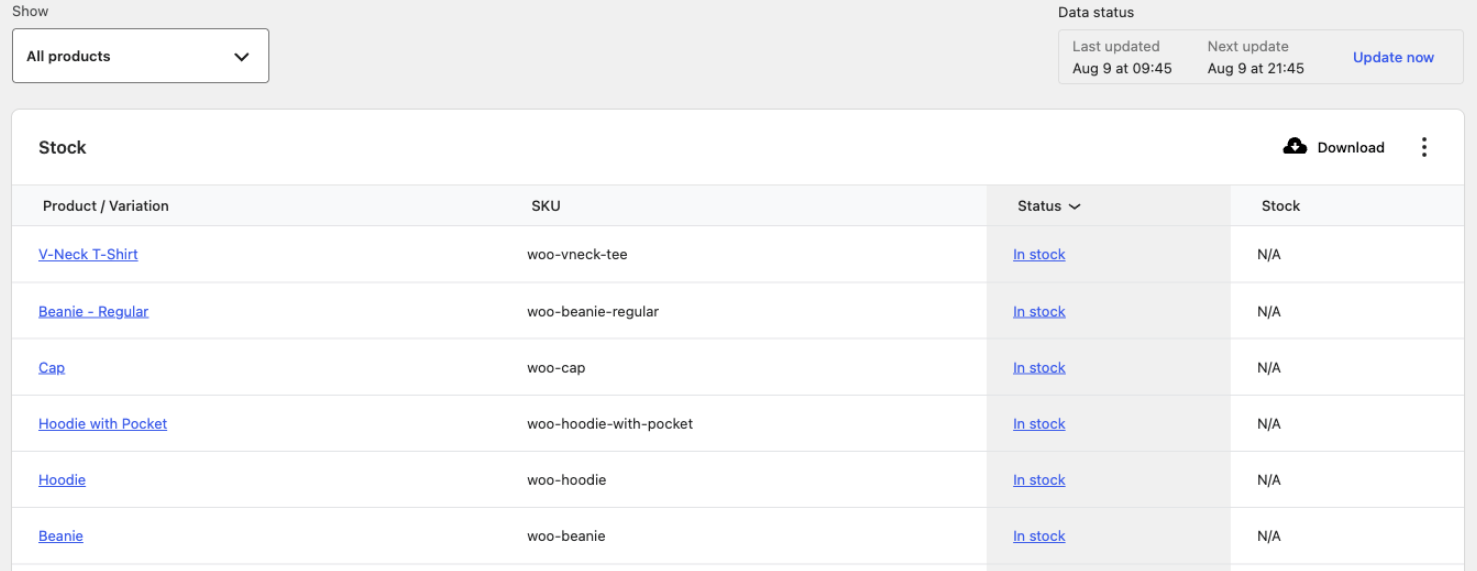
In environments where multiple stores or complex forecasting are involved, dedicated platforms like Metorik offer a centralized dashboard that unifies disparate data streams. These tools provide the flexibility required for high-volume operations, offering predictive insights that can guide inventory management and supply chain logistics.
Strategic Framework for Implementation
To avoid the "fire hose" effect of too much data, businesses should adopt a prioritized framework for implementation:
- Diagnostic Phase: Utilize native WooCommerce reporting to establish baseline metrics for sales, products, and customers.
- Behavioral Phase: Integrate GA4 to understand traffic sources, campaign efficacy, and the path to purchase.
- Expansion Phase: Deploy specialized extensions (Subscriptions, COGS, Customer Analytics) to address specific vertical challenges.
- Operational Phase: Integrate enterprise-grade tools like Metorik when data management across multiple channels becomes the primary constraint on growth.
Ultimately, the goal of analytics is not to collect information, but to facilitate better decision-making. By starting with a single, clear business question and iterating based on the findings, merchants can systematically reduce uncertainty. Whether it is adjusting a pricing strategy, optimizing a product page, or refining a marketing campaign, the data is only as valuable as the action it inspires. As e-commerce continues to mature, those who can synthesize these data points into a coherent strategy will maintain a distinct competitive advantage, ensuring that their growth is not just rapid, but sustainable and profitable.