The Imperative of Omnichannel Sales: Unifying Customer Journeys for Enhanced Revenue and Retention

Omnichannel sales unifies customer data and coordinates outreach across all channels to create a continuous buyer experience. In an era defined by digital proliferation and heightened customer expectations, the traditional, siloed approach to sales, where email, phone, chat, and in-person conversations produce fragmented data and inconsistent follow-up, is rapidly becoming obsolete. This fragmentation represents a critical gap where potential revenue is lost, customer trust erodes, and competitive advantage diminishes. The transition to an integrated, customer-centric omnichannel strategy is no longer merely an option but a strategic imperative for businesses aiming to thrive.
The paradigm shift towards omnichannel engagement is profound and undeniable. Recent data from Capital One Shopping underscores this evolution, revealing that the share of omnichannel shoppers has climbed dramatically to 91%. This statistic alone highlights a fundamental change in buyer behavior: customers expect fluidity and consistency across every touchpoint, regardless of the channel. Sales teams that successfully bridge the gap created by fragmented data and disjointed communication witness tangible benefits, including significantly faster deal cycles, higher conversion rates, and robust customer retention. These improvements are fundamentally underpinned by a robust Customer Relationship Management (CRM) system that meticulously records and integrates every interaction, ensuring a holistic view of the customer journey.
This article delves into the core tenets of omnichannel sales, elucidating its critical distinctions from multi-channel approaches, exploring the foundational principles that drive its efficacy, and presenting a pragmatic, step-by-step framework for successful implementation.
The Evolution of Sales: From Siloed to Seamless
To fully appreciate the significance of omnichannel sales, it is crucial to understand the historical progression of sales methodologies. Initially, businesses operated in a single-channel environment, primarily relying on direct sales, mail orders, or storefront interactions. As technology advanced, the multi-channel approach emerged, characterized by the adoption of various independent channels such as websites, email, and call centers. While multi-channel strategies expanded reach, they often suffered from a lack of integration; each channel operated in its own silo, with distinct data sets and often conflicting messaging. This fragmented experience meant customers frequently encountered repetitive questions, inconsistent information, and a general lack of recognition across different interactions.
Omnichannel sales represents the natural evolution, transcending the limitations of multi-channel by prioritizing the customer experience above all else. It is a sales approach designed to unify customer data and orchestrate outreach across all channels, ensuring a seamless and cohesive buyer journey. Every touchpoint—be it email, phone call, LinkedIn message, live chat, or an in-person meeting—is not an isolated event but rather a continuation of the previous interaction. A sophisticated CRM system serves as the central nervous system, maintaining comprehensive customer context across all channels. This allows any sales representative or automated sequence to pick up precisely where the last interaction concluded, fostering a sense of being "known" rather than merely "managed."
This definition applies universally across diverse business landscapes, from high-volume B2C e-commerce to intricate B2B sales cycles. In the B2B sphere, buying behavior has grown substantially more complex. According to Gartner’s 2025 B2B Buying Survey, a striking 61% of B2B buyers now prefer a "rep-free" buying experience, with 73% actively avoiding suppliers who engage in irrelevant outreach. The majority of the modern B2B buyer’s journey unfolds through independent research, peer consultations, and digital self-service. Omnichannel sales strategically acknowledges this reality, building a coordinated and contextually relevant presence across every touchpoint where buyers conduct their due diligence and spend their time.
Distinguishing Omnichannel from Multichannel Sales
The terms "multichannel" and "omnichannel" are often mistakenly used interchangeably, yet their operational differences are fundamental to their effectiveness.
-
Multichannel sales involves the utilization of multiple channels (e.g., email, phone, social media, chat) to engage with buyers. However, the defining characteristic of multichannel is that these channels typically operate independently, lacking shared customer context or coordinated sequencing. Each channel often possesses its own distinct data, performance metrics, and dedicated team, leading to disjointed customer experiences. While it expands touchpoints, it doesn’t inherently improve the quality or consistency of the interaction across those touchpoints.
-
Omnichannel sales, conversely, necessitates a unified customer record. This record encompasses identity, comprehensive activity history, preferences, and consent. This singular, holistic view of the customer fundamentally transforms the nature of every subsequent interaction. Context continuity dramatically reduces the incidence of repetitive questions and ensures consistent messaging across all revenue-generating teams. The buyer experiences a continuous, personalized journey, feeling genuinely understood and valued, rather than perceiving themselves as navigating disparate departmental silos.
The table below starkly illustrates the structural differences across key operational dimensions:
| Dimension | Single-Channel | Multichannel | Omnichannel |
|---|---|---|---|
| Data Continuity | Siloed – no shared record | Partial – separate systems per channel | Unified – single customer record across all channels |
| Coordination/Orchestration | None | Minimal – each channel acts independently | Proactive – next best action triggered by buyer signals |
| Handoffs | Not applicable | Manual, prone to dropped context | Structured SLAs with full context transferred |
| Reporting Visibility | Single source, limited insights | Channel-by-channel, fragmented view | Cross-channel attribution and holistic revenue impact |
| Customer Context | None retained across interactions | Inconsistent – depends on channel | Continuous – buyer history and preferences inform every touchpoint |
In essence, while multichannel strategies add coverage, omnichannel strategies add crucial coordination. Businesses that conflate the two often invest heavily in additional channels without resolving the underlying issue of fragmented data and inconsistent buyer experiences, which ultimately erodes trust and prolongs deal cycles.
Core Principles Driving Omnichannel Sales Effectiveness
The success of omnichannel sales hinges on a set of foundational operating principles that fundamentally re-engineer how revenue teams engage with buyers. A thorough understanding of these principles is paramount for effective implementation.
1. Unified Customer Identity
At the very heart of every successful omnichannel interaction lies a unified customer record. This foundational record must meticulously integrate:
- Complete contact information (name, email, phone, company).
- Comprehensive activity history across all channels (emails opened, calls made, website visits, chat transcripts, social media engagements).
- Stated and inferred preferences (product interests, preferred communication channels, support history).
- Intent signals (content downloads, demo requests, pricing page visits).
- Consent status for various communication types.
Without this unified identity layer, true channel coordination is impossible; teams are attempting to orchestrate a journey they cannot fully visualize or comprehend. Practically, this implies that:
- All customer data, regardless of its origin (CRM, marketing automation, support desk, website analytics), must flow into a central, consolidated profile.
- Data quality and deduplication processes are critical to ensure a single, accurate view of each customer.
- Any interaction by a customer on one channel should immediately update their unified record, making that information accessible across all other channels.
Platforms like HubSpot’s Data Hub are specifically designed to support this by combining disparate data sources, automatically enhancing data quality, and activating customer intelligence across the entire platform with AI-powered ease.
2. Journey Orchestration
Journey orchestration is the intelligence layer of omnichannel sales, dynamically selecting the optimal channel, message, and action based on the buyer’s current stage and real-time engagement signals. Rather than adhering to rigid, pre-set outreach sequences, orchestration-driven teams respond with agility and relevance. For example, if a prospect opens an email multiple times but does not respond, the next strategic touchpoint might be a personalized LinkedIn connection request or a targeted advertisement, rather than another follow-up email reiterating the same message. Effective orchestration demands clearly defined buyer stages, precise signal definitions (identifying which actions signify readiness to advance), and sophisticated automation rules that trigger the most appropriate channel at the opportune moment.
3. Sales SLAs and Handoff Protocols
Sales Service-Level Agreements (SLAs) are critical for defining explicit responsibilities: who follows up, through which channel, and within what timeframe, following a specific trigger event. In the absence of well-defined SLAs, handoffs—whether between Sales Development Representatives (SDRs) and Account Executives (AEs), or between marketing and sales—become the most common points of failure, leading to dropped context and ultimately, lost deals. A prospect who submits a demo request form should never receive a generic introductory email from an AE who lacks visibility into their prior engagement history. Well-designed SLAs meticulously specify:
- Response times for various lead types and engagement signals.
- The preferred communication channel for initial follow-up based on the buyer’s last interaction.
- The specific information that must be transferred during handoffs (e.g., discovery notes, pain points, stated objections).
- Escalation procedures for unresponsive leads.
These protocols transform handoffs from a significant reliability risk into a distinct competitive advantage, ensuring seamless internal transitions that are invisible and frictionless for the buyer.
4. Context Continuity Across Teams
Context continuity is about minimizing repetitive questioning and ensuring consistent messaging across all revenue-generating teams. When a prospect transitions from an SDR to an AE, or from an AE to a customer success manager, that transition should feel seamless and natural to the buyer. The same invaluable discovery insights, documented priorities, and recognized objections should consistently inform every subsequent interaction, regardless of who is conducting the conversation. Beyond enhancing the buyer experience, context continuity dramatically accelerates deal velocity. When AEs are already armed with a prospect’s pain points, they can dedicate initial conversations to validating solutions rather than re-asking questions the SDR has already addressed. This efficiency translates directly into faster deal closures.
5. Channel Complementarity, Not Channel Competition
In a truly effective omnichannel model, channels operate synergistically, reinforcing each other’s efforts rather than competing for individual credit. An email sequence can strategically warm a prospect for a subsequent phone call. A specific engagement on LinkedIn can trigger a highly personalized follow-up. Each channel serves a distinct and purposeful role within the broader buyer’s journey, and sophisticated attribution reporting accurately reflects the collective contribution of each touchpoint, moving beyond simplistic first-touch or last-touch models. Marketers are encouraged to critically review their current pipeline attribution models; relying solely on first-touch or last-touch attribution provides an incomplete picture of the intricate dynamics driving deals forward. Modern CRM systems, such as HubSpot’s Smart CRM, connect activity across every channel, empowering revenue teams to precisely identify which touchpoints contribute most significantly to conversion and subsequently optimize their strategies.
Practical Omnichannel Sales in Action: Leading Case Studies
The theoretical principles of omnichannel sales find their most compelling validation in real-world applications. The following examples demonstrate how leading organizations successfully implement omnichannel strategies, each adapting the approach to their specific market while maintaining the core commitment to a unified customer record, coordinated channel execution, and continuous customer context.
Nike: Unified Commerce from Digital to Physical
Nike’s omnichannel execution is widely regarded as a benchmark in retail commerce. The Nike app, Nike.com, and Nike’s physical retail stores operate from a shared customer identity layer. This layer meticulously tracks purchase history, browsing behavior, product preferences, and membership tier. If a customer adds a product to their cart via the app but does not complete the purchase, in-store staff can access this cart context, enabling a seamless pick-up-in-store experience or personalized assistance.
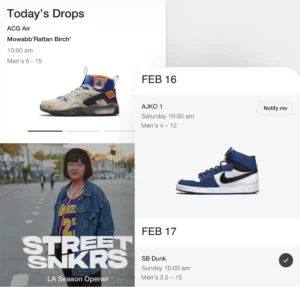
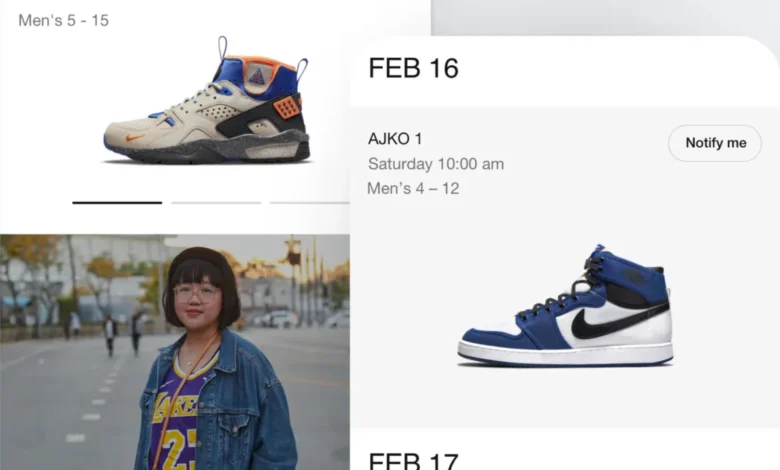
The Nike SNKRS app further exemplifies this strategy by leveraging granular engagement signals—which product drops a member has viewed, which launches they’ve entered—to personalize every subsequent touchpoint. The outcome is a customer experience that feels consistently personalized and informed, irrespective of the channel. This results in a sales motion that converts at higher rates because every interaction builds intelligently on prior context, eliminating the need to start from scratch. Nike’s unified identity layer, connecting app behavior, purchase history, and in-store interactions into a single member record, is key. The brand avoids asking customers to re-identify themselves at each touchpoint; the system inherently recognizes them, embodying the hallmark of true omnichannel execution.
Zoom: Omnichannel B2B Sales with Product-Led Data
Zoom’s meteoric growth model serves as an excellent illustration of scalable omnichannel B2B sales, particularly through a product-led lens. Zoom’s popular free tier generates invaluable usage data—including meeting frequency, participant counts, and feature adoption—which directly feeds into its CRM. This data intelligently informs sales outreach timing, channel selection, and messaging. An account consistently hitting free-tier limitations, for instance, receives targeted outreach that specifically references that usage pattern, rather than a generic upsell pitch.
Zoom’s sales team operates under a clear SLA: specific product signals trigger a precisely timed outreach window, and the channel sequence (e.g., email, followed by phone, then an in-product message) is standardized across the team. This results in a sales motion where human outreach arrives precisely when a buyer is already experiencing friction or demonstrating heightened intent, armed with context that makes the conversation feel relevant and helpful, not intrusive. This approach is highly effective for B2B SaaS teams leveraging a product-led growth (PLG) motion, as connecting product usage data to the CRM creates a powerful signal layer that transforms omnichannel outreach from a volume-based endeavor to a timing-based, highly relevant interaction.
Apple: Channel Coordination Across Self-Serve, Retail, and Enterprise
Apple’s omnichannel model is remarkable for its ability to seamlessly span three distinct buyer motions: consumer self-service via Apple.com, the physical retail experience with Genius Bar support, and complex enterprise sales through Apple Business—all without fragmenting the customer experience. An enterprise IT leader who manages a personal consumer Apple ID, for example, maintains a separate but intelligently connected enterprise profile. Apple’s account teams can reference both profiles when discussing device procurement and support, ensuring a comprehensive understanding of the customer’s needs across their various interactions with the brand.
What distinguishes Apple’s model is its strategic integration of the physical store as a channel complement rather than a standalone experience. The Apple Store functions not merely as a point of sale, but as a critical service touchpoint, an immersive discovery environment, and a vital post-sale support channel. Each of these roles contributes significantly to a unified customer journey that extends far beyond the initial transaction, fostering increased lifetime value. Revenue teams developing omnichannel strategies can learn from Apple’s holistic view, applying similar thinking to every channel, including events, in-person demos, and Quarterly Business Reviews (QBRs), constantly asking how each contributes to the cohesive buyer journey.
Implementing Omnichannel Sales: A Strategic Framework
Implementing an effective omnichannel sales strategy demands a synchronized approach involving aligned data architecture, meticulously defined processes, and the right technological infrastructure. The changes invariably permeate how revenue teams operate across every channel, extending beyond mere tool utilization.
Step 1: Conduct a Comprehensive Channel Activity and Data Architecture Audit
Before embarking on any omnichannel strategy, sales leaders must gain a crystal-clear understanding of their current channel coverage and the quality of their existing data. This audit should address four fundamental questions:
- Which channels are currently being used to engage prospects and customers?
- How consistently is activity from each channel being logged and tracked in the CRM?
- What is the current state of customer data completeness and accuracy across all systems?
- Where are the most significant gaps in data capture or channel coordination?
In numerous consulting engagements with B2B sales teams, this audit almost invariably uncovers a recurring problem: CRM systems often capture email and deal-stage data reasonably well, but critical interactions like phone calls, LinkedIn activity, and in-person meetings are logged inconsistently, if at all. These gaps render the customer record structurally incomplete, undermining the very foundation upon which effective orchestration can be built. A crucial pro-tip involves running a data quality report in platforms like HubSpot’s Data Hub before building any automation. Deduplicate contact records, standardize company properties, and identify contact fields with less than a 70% fill rate. Orchestration built upon incomplete or erroneous data will inevitably amplify noise rather than signal.
Step 2: Define Your Unified Customer Record
A unified customer record is more than just a collection of data; it’s a structured data model specifically designed to capture the identity, engagement history, preferences, and intent signals essential for coordinating omnichannel execution. Sales and RevOps teams must collaboratively agree on the minimum required fields for a record to be considered actionable and then build workflow automations that flag incomplete records for enrichment. Key fields for an omnichannel-ready contact record include:
- Full contact details (name, title, company, industry, location).
- Detailed activity history (all email opens/clicks, call notes, meeting summaries, chat logs).
- Website behavior (pages visited, content downloaded, time on site).
- Marketing engagement history (campaigns interacted with, webinars attended).
- Deal stage and associated value.
- Explicit channel preferences and consent status.
- Relevant product usage data (for product-led growth models).
Platforms like HubSpot CRM store all this information in a single, unified contact record, and AI tools such as Breeze AI can automatically enrich records with company data, recent news, and engagement signals, further enhancing their completeness and actionability.
Step 3: Map Your Buyer Journey by Stage and Channel
Effective journey orchestration requires a granular map outlining which channels are most effective at each stage of the buyer journey. Each stage should specify the primary channel, appropriate secondary channels, and clear escalation paths if the primary channel fails to elicit a response. For example:
- Awareness Stage: Primary channels might include content marketing, social media, and targeted ads.
- Consideration Stage: Primary channels could shift to email sequences, webinars, and initial discovery calls.
- Decision Stage: This might involve demo presentations, personalized proposals, and in-depth discussions via video conferencing or in-person meetings.
When mapping this journey, sales teams can retrospectively trace recent closed-won deals, identifying every touchpoint that contributed to the outcome. Consistently, the most successful complex B2B deals reveal a pattern: the winning teams utilized more channels more consistently and in a highly coordinated fashion, rather than simply increasing outreach volume.
Step 4: Build Coordinated Sequences with Clear SLAs
Once the buyer journey map is established, the next crucial step is to construct coordinated sequences that enforce the correct channel, message, and timing for each stage. These sequences should be built directly within the CRM, ensuring that every touchpoint is automatically logged against the contact record. SLAs should meticulously define:
- The exact timing and frequency of outreach for each step in a sequence.
- The specific messaging and content relevant to the buyer’s stage.
- The criteria for advancing to the next stage or escalating to a different channel/rep.
HubSpot Sales Hub facilitates the creation of sales sequences, task automation, meeting scheduling, and provides comprehensive pipeline visibility, all intrinsically linked to the unified contact record. This integration ensures that a sequence initiating with an automated email and progressing to a manually assigned call task maintains full context across both touchpoints without any manual data transfer. A critical pro-tip is to establish a sequence SLA for inbound leads: any prospect who fills out a form or books a meeting should receive a personalized response within a specific timeframe (e.g., four business hours), utilizing the channel they used to engage. Response time is a powerful predictor of connection rates in both outbound and inbound sales.

Step 5: Connect Your Sales Intelligence Stack
Omnichannel execution is heavily reliant on the quality and richness of signals. This, in turn, depends on the data flowing into the CRM from every channel a team utilizes. Integrating sales intelligence tools connects vital intent data, news alerts, social engagement signals, and firmographic enrichment directly to the contact record. This provides sales representatives with a real-time, comprehensive view of buying intent before they initiate outreach. HubSpot’s App Marketplace offers hundreds of sales intelligence integrations, including LinkedIn Sales Navigator, ZoomInfo, and Bombora, which feed critical signals directly into HubSpot CRM. The more signal data the CRM possesses, the more precisely journey orchestration can identify the optimal moment and channel for each outreach.
Step 6: Implement AI-Powered Prospecting and Automation
Artificial Intelligence (AI) fundamentally transforms the economics of omnichannel execution by automating research, personalization, and critical timing decisions that previously demanded significant manual effort at every touchpoint. Teams that strategically implement AI-powered prospecting can execute true omnichannel outreach at scale without proportional increases in headcount. HubSpot’s Breeze AI system operates across the entire HubSpot platform, automating tasks and surfacing invaluable insights from customer data at scale. The Breeze Prospecting Agent, for example, can automatically research accounts against an ideal customer profile, draft personalized outreach messages, and recommend the best time and channel for each touchpoint. What makes AI particularly powerful in an omnichannel model is its prioritization function: it doesn’t merely automate outreach but intelligently focuses rep judgment on the opportunities most likely to convert, augmenting human capabilities rather than replacing them.
Step 7: Streamline Quoting, Payment, and Deal Closure
The final stages of the omnichannel journey—quoting, invoicing, and payment—are often where otherwise meticulously designed processes falter. When a sales representative is forced to exit the CRM to generate a quote in a separate, disconnected system, deal context is lost, approval cycles invariably slow down, and the buyer experience degrades precisely when momentum should be at its peak. Commerce Hub is designed to help teams generate quotes, send invoices, and collect payments directly within the CRM record. Quotes, invoices, and payment links are generated automatically from deal data, dispatched through the customer’s preferred channel, and meticulously logged when the buyer engages. A valuable pro-tip is to enable payment links directly within the quote workflow. Buyers who can make immediate payments upon receiving a quote tend to close faster than those routed through a separate payment portal, a capability natively supported by Commerce Hub without requiring third-party integrations.
Key Omnichannel Sales Success Metrics to Track
To truly gauge the effectiveness of an omnichannel strategy, businesses must track specific metrics that reflect both process efficiency and tangible revenue impact.
1. Cross-Channel Engagement Rate
This metric quantifies the percentage of prospects who interact with two or more channels before advancing to a subsequent deal stage. A consistent rise in cross-channel engagement indicates that the orchestration model is successfully fostering meaningful multi-touchpoint relationships, rather than merely adding channels without integration. Tracking this by deal stage helps pinpoint where channel diversity might be weakest.
2. Handoff-to-Opportunity Conversion Rate
This measures the percentage of leads that successfully progress to an active opportunity following a handoff (e.g., SDR to AE, or marketing to sales). A low conversion rate often signals a critical context gap: the receiving representative lacks sufficient information to effectively continue the conversation. Tracking this metric before and after implementing structured handoff protocols provides clear insights into process improvements.
3. Deal Velocity by Channel Mix
Deal velocity measures the speed at which deals move through each stage of the pipeline. Segmenting this velocity by the specific channel mix (e.g., comparing deals that utilized two channels versus four) reveals whether expanded channel coverage genuinely accelerates deal progression. Experience shows that teams adding channels without corresponding coordination often see no improvement in deal velocity; true omnichannel execution should yield measurable acceleration.
4. Channel Attribution Contribution
Utilizing multi-touch attribution models, this metric allocates revenue credit across all channels that contributed to a closed deal. It moves beyond simplistic first-touch or last-touch attribution, revealing which channel combinations produce the highest close rates. Over time, comprehensive attribution data should guide strategic investment decisions for orchestration resources.
5. CRM Data Completeness Score
This leading indicator measures the percentage of active contact and deal records that meet the minimum required field thresholds for effective omnichannel orchestration. Teams with high completeness scores are better equipped to execute superior sequences, generate more relevant AI insights, and maintain stronger context continuity. Aiming for a minimum 80% completeness rate on required fields is crucial before scaling automation.
6. Customer Retention and Expansion Rate
The ultimate, long-term proof of omnichannel effectiveness manifests in robust customer retention and expansion metrics. According to McKinsey’s 2024 B2B Pulse Survey, B2B decision-makers now engage with an average of 10 channels during their purchase journey, a significant increase from just five channels in 2016. Furthermore, over half (54%) indicate they would switch suppliers after a poor omnichannel experience. This underscores that a coordinated presence across every touchpoint is not merely a desirable feature but a critical differentiator that directly impacts retention and prevents revenue loss. Tracking net revenue retention by cohort and correlating it with omnichannel engagement scores builds a compelling business case for sustained investment. Extending this model post-sale through omnichannel support further amplifies these benefits.
Addressing Common Challenges in Omnichannel Implementation
While the benefits are clear, implementing an omnichannel strategy comes with its share of challenges. Proactive strategies can help mitigate these.
-
Prioritizing Channels: Sales teams should prioritize channels where buyers are most active and where CRM tracking is most reliable. For most B2B organizations, this often means starting with email and phone, then integrating LinkedIn once consistency is achieved. Analyzing historical closed-won data to map touchpoints that preceded stage advances offers the best guide.
-
Avoiding Over-Messaging: Over-messaging typically stems from disconnected channel execution rather than excessive outreach volume. The solution lies in managing channel frequency at the contact record level within the CRM, rather than at individual channel levels. Establishing a total weekly outreach cap per contact (e.g., three to five touches across all channels) and automatically pausing other channels when one elicits a response is an effective strategy.
-
Ensuring CRM Data Quality: Omnichannel sales necessitates a unified customer record encompassing identity, activity history, channel preferences, deal stage, marketing engagement history, and consent status for each channel. The most common data gap is the inconsistent logging of phone and in-person meeting activity. Establishing and rigorously enforcing a non-negotiable logging standard, supported by required fields in the CRM, is the single highest-impact data hygiene action most teams can undertake.
-
Phased Rollout for Minimal Disruption: To avoid disrupting the entire sales force, initiate a pilot program with a small cohort of five to eight reps who are already consistent CRM users. Run the new omnichannel sequences for one quarter, using this pilot to identify process gaps, refine SLAs, and gather valuable rep feedback before a broader rollout. Reps are significantly more likely to adopt new workflows when they witness early evidence of positive results, and a controlled pilot generates this evidence without disrupting the wider team.
-
Leveraging AI While Maintaining Brand Voice: AI accelerates omnichannel execution most effectively when it handles research, timing, and personalization inputs, allowing human judgment to shape the final message and preserve brand voice. Teams can deploy AI to draft outreach messages, which reps then edit and refine, significantly reducing the time required per touchpoint while maintaining brand consistency. AI tools like HubSpot’s Breeze AI assist with automation across Sales Hub and Marketing Hub, with the Breeze Assistant helping reps draft, summarize, and update records in real time, always with brand voice guidelines and human review checkpoints set by the team.
Building a Sales Motion Buyers Truly Experience as One
Omnichannel sales is fundamentally about intelligently connecting existing channels so that every customer touchpoint builds seamlessly upon the last. Buyers who experience this consistent, personalized journey convert faster, exhibit higher loyalty, and expand their engagement more consistently. The teams that master this execution share a common foundation: a unified CRM system, AI capabilities that surface the right signals at the precise moment, and human sales professionals who apply their judgment where it matters most. HubSpot’s Smart CRM, by connecting all its hubs into a single, cohesive platform, provides revenue teams with the architectural backbone to achieve precisely this.
After nearly two decades in B2B sales, the distinction between teams that merely cover channels and those that truly coordinate them boils down to this underlying architecture. Today’s buyers conduct extensive research across a multitude of touchpoints before ever engaging with a sales representative. When a rep arrives equipped with context that reflects this entire journey, trust is rapidly accelerated, and deals are more efficiently closed. This is the ultimate promise and enduring impact of omnichannel sales.