The Digital Transformation of B2B Sales and the Shift Toward Intelligent Automation


The landscape of professional sales is undergoing a profound structural shift, driven by the emergence of the digital-native buyer and the saturation of traditional manual outreach methods. For decades, the B2B sales process relied on human-led discovery, linear qualification, and persistent manual outbound efforts. Today, however, that model is faltering as buyers increasingly dictate the terms of engagement. Research indicates that modern B2B buyers conduct extensive independent research, cultivate their own criteria, and leverage professional networks before ever contacting a vendor. By the time a sales representative is invited into the process, the buyer is often deep into the decision-making phase, leaving little room for traditional sales influence.
This fundamental change has rendered "guessing at scale"—the practice of increasing call volume and email outreach without strategic direction—largely ineffective. As quotas become harder to reach, organizations have often responded by demanding higher activity levels from their sales teams, a strategy that frequently mistakes motion for genuine productivity. Industry analysts suggest that this approach is failing to address the underlying issue: a misalignment between legacy sales processes and the self-directed, digital-first habits of the modern enterprise buyer.
The Evolution of the Digital Buyer
The rise of the smartphone and ubiquitous connectivity has transformed the consumer experience, conditioning individuals to expect immediate, personalized, and relevant digital interactions. This expectation has migrated into the professional sphere. According to a 2018 study by the Harvard Business Review, B2B purchasing is no longer a simple transactional event but a complex, multi-channel journey involving larger committees and sophisticated digital research.
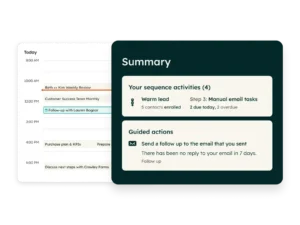
Because buyers are harder to track, sales organizations that fail to integrate real-time buyer intelligence into their workflow face a significant disadvantage. The inability to identify where a prospect is in their journey often leads to missed opportunities and wasted resources. To remain competitive, organizations are pivoting toward guided selling—a methodology that blends automation with data-driven insights to ensure that every sales action is backed by empirical evidence rather than intuition.
The Integration Dilemma: Breaking Data Silos
A critical obstacle in this transformation is the fragmentation of the sales technology stack. Many organizations struggle with "shadow CRMs," where sales teams utilize disparate tools that fail to sync effectively with their core Customer Relationship Management (CRM) systems. This lack of integration leads to data silos, where marketing, sales, and customer success teams operate on incomplete or conflicting information.
Journalistic analysis of current sales operations reveals that the most successful organizations are moving away from tools that attempt to duplicate CRM functionality. Instead, they are prioritizing native integrations that treat the CRM as the single source of truth. When a sales platform requires constant manual mapping to keep data accurate, the administrative burden on teams becomes unsustainable. Over time, the quality of these connections decays, leading to duplicate records, inaccurate reporting, and the infamous "revenue tug of war" between sales and marketing departments.
Modern solutions are now emphasizing "out-of-the-box" compatibility, where platforms like XANT’s Playbooks are designed to plug into existing CRM instances without requiring extensive maintenance or manual data entry. By automating the capture of activity data—such as call duration, ring time, and engagement outcomes—organizations can achieve higher levels of visibility without increasing the administrative workload of their representatives.

The Criticality of Speed-to-Lead
The urgency of responding to inbound interest cannot be overstated. Data gathered from over six million marketing leads indicates a stark correlation between response time and conversion probability. Research shows that conversion rates are eight times higher when a representative engages a lead within five minutes. Despite this, roughly 79% of inbound leads are never touched by a human, and only 9% of leads are engaged within the first two hours.
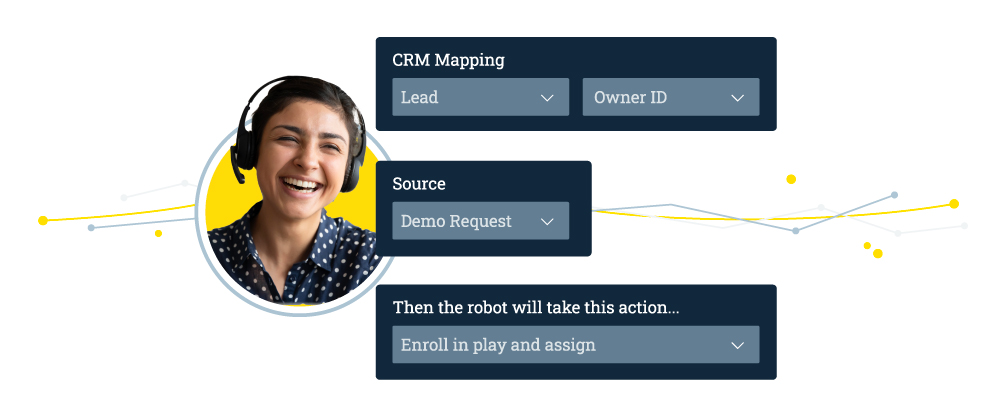
The decline in efficacy is steep: a lead that sits unaddressed for even a few hours loses significant momentum. The modern sales environment, therefore, requires automated "robots" or logic-based workflows that can instantly assign, route, and prioritize leads. This ensures that when a potential buyer expresses interest—whether through a pricing inquiry or a demo request—they are met with an immediate, tailored response. This shift from manual assignment to automated round-robin distribution eliminates the bottlenecks created by administrative delays and ensures that high-value leads are not lost due to representative unavailability or clerical error.
Compliance and Ethical Engagement
As sales organizations scale their digital efforts, the burden of regulatory compliance has become a primary operational constraint. Navigating the complex web of regional and international laws—such as the Telephone Consumer Protection Act (TCPA) in the United States or the General Data Protection Regulation (GDPR) in Europe—is an impossible task for individual sales representatives to manage manually.
Compliance issues extend beyond legal risks; they encompass brand reputation and sensitivity. For instance, prospecting into a region currently experiencing a natural disaster or a state-specific holiday can make a company appear tone-deaf and insensitive. Modern sales systems must now act as a guardrail, automatically checking for compliance in real-time. By embedding these checks into the sales workflow, organizations can protect themselves from litigation and reputational damage while ensuring that their representatives are focused on high-value interactions rather than managing complex legal checklists.
The Role of Artificial Intelligence in Buyer Intelligence
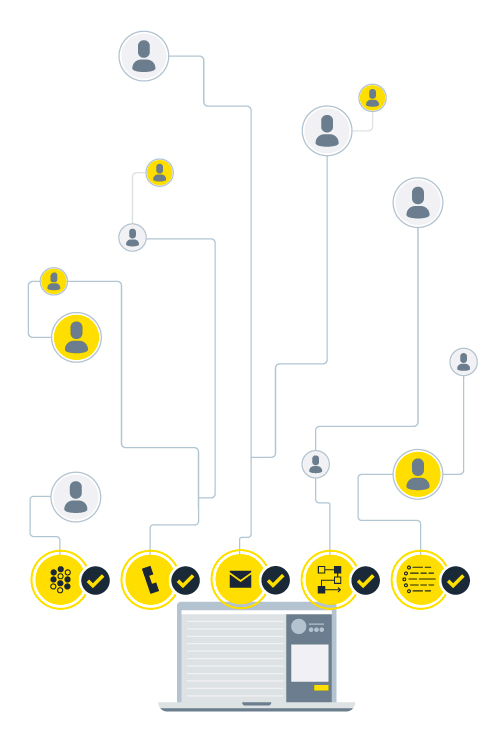
The next frontier in sales productivity is "Buyer Intelligence"—the synthesis of vast amounts of interaction data into actionable guidance. By leveraging artificial intelligence (AI), organizations can now predict buyer behavior with increasing accuracy. This includes identifying key influencers within an account, determining preferred communication channels, and predicting the optimal timing for outreach.
The application of "SmartSend" technology, which predicts the best time to send an email based on historical engagement patterns, has demonstrated a measurable lift in contact rates. Furthermore, tools that automatically append enriched contact data to CRM records help maintain the integrity of the database, ensuring that sales representatives are working with verified information.
Implications for Future Sales Models
The broader implication of these technological advancements is a fundamental change in the definition of a "productive" sales force. Historically, productivity was measured by inputs—number of calls, emails, and meetings. In the new era of guided selling, productivity is increasingly measured by outcomes and the quality of the buyer-seller interaction.
As companies continue to integrate these systems, the role of the sales representative will likely evolve from a manual task-manager to a strategic advisor. By allowing automated systems to handle the "science" of sales—the data entry, lead routing, and compliance checking—representatives are freed to focus on the "art" of sales: building relationships, understanding unique customer challenges, and providing genuine value.

Ultimately, the transformation of B2B sales is not merely about adopting new software; it is about recognizing that the power dynamic has shifted toward the buyer. To survive in this environment, firms must abandon the habit of guessing and embrace a data-centric, automated, and compliant framework that mirrors the intuitive experiences of modern consumer technology. The organizations that successfully make this transition will be those that view their sales technology not as a repository for data, but as a proactive engine for revenue growth.