The Hidden Cost of Modern Romance: Navigating the Financial Reality of Dating Apps


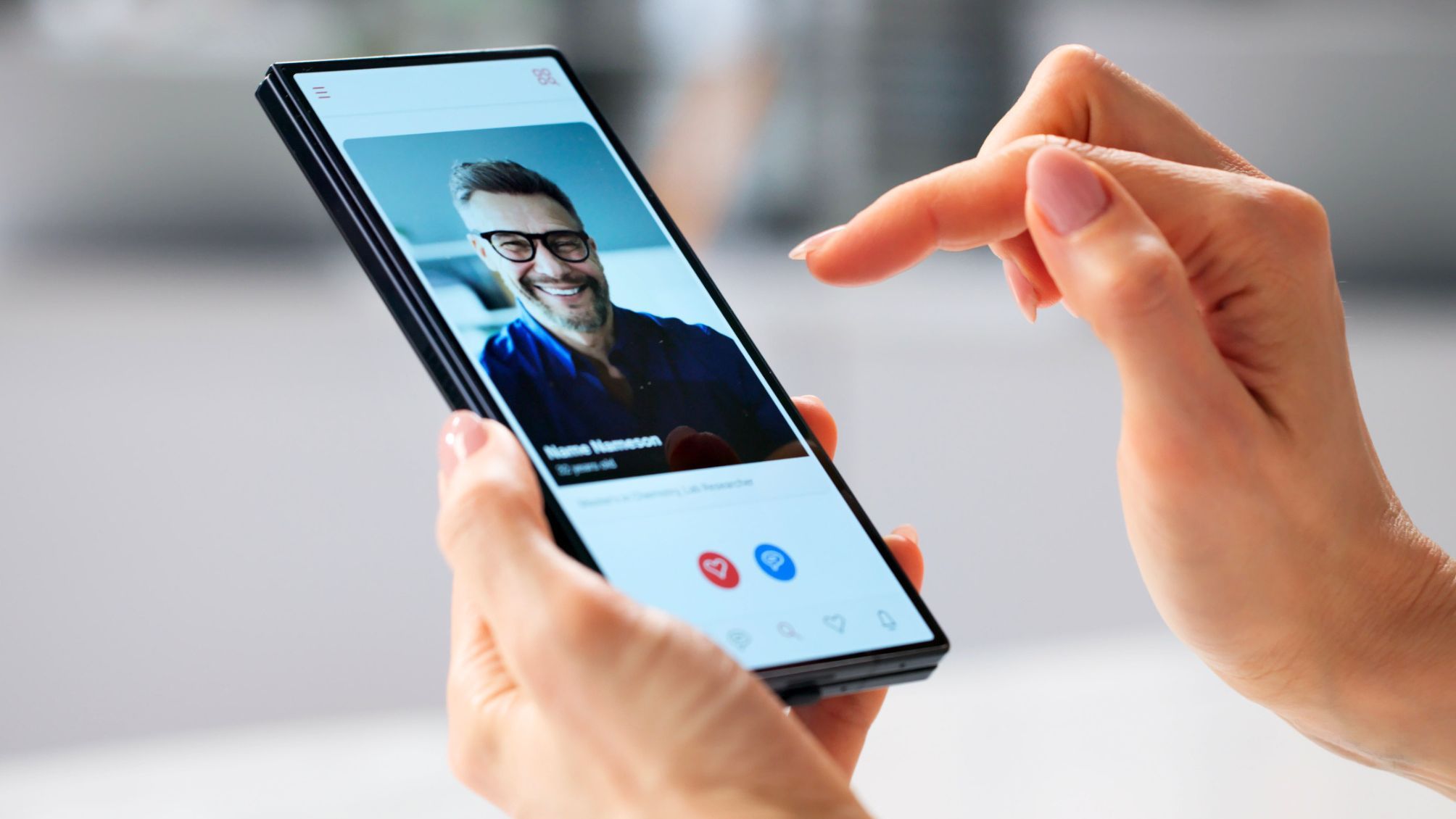
Finding love in the digital age has become synonymous with swiping, but the quest for a meaningful connection is increasingly carrying a hefty price tag. While the fundamental promise of most major dating platforms—such as Tinder, Bumble, Hinge, and Match—remains rooted in the ability to create a profile and initiate contact for free, the "freemium" model has evolved into a complex ecosystem of tiered subscriptions, micro-transactions, and aggressive upselling. For the average user, what begins as a casual effort to meet new people can quickly escalate into a recurring monthly expenditure that rivals high-end streaming services or gym memberships, sometimes totaling hundreds, if not thousands, of dollars annually.
The evolution of the dating app industry from simple matchmaking tools to sophisticated, data-driven platforms has fundamentally altered the economics of courtship. As these companies face increasing pressure from shareholders to monetize their massive user bases, the features once considered standard—such as seeing who has liked your profile or applying specific geographic filters—are increasingly locked behind paywalls. This shift has turned the search for a romantic partner into a financial commitment that requires careful budgeting and an analytical approach to return on investment.
The Anatomy of Dating App Pricing Structures
To understand the financial implications, one must first recognize that there is no uniform pricing model across the industry. Platforms utilize dynamic pricing, which can fluctuate based on a user’s location, age, and even their previous behavior within the app. For instance, a user in a major metropolitan area might be presented with different subscription rates than a user in a rural environment.
Typically, the baseline subscription tiers, often branded as "Plus," "Gold," or "Premium," range from $10 to $60 per month depending on the depth of features provided. At the entry level, users generally gain access to unlimited likes, the ability to rewind accidental swipes, and the removal of third-party advertisements. Mid-tier subscriptions often introduce "Gold" features, which allow users to view a list of individuals who have already liked them, effectively bypassing the uncertainty of the matching process. At the top of the pyramid, "Platinum" or "X" tiers offer priority placement in the discovery stacks of other users and the ability to send messages before a match is officially established.
These costs are rarely static. Data from major platforms suggest that committing to a six-month or annual plan can reduce the monthly cost significantly compared to a month-to-month subscription. However, this creates a "lock-in" effect where users are incentivized to pay large sums upfront, potentially remaining on a platform long after their initial enthusiasm has waned.

The Proliferation of Micro-Transactions and "Boosts"
Beyond the monthly subscription, the industry has mastered the art of the micro-transaction. Features such as "Boosts," "Super Likes," and "Spotlights" function as one-time, non-recurring purchases. These tools are designed to amplify a user’s visibility within the algorithm for a short window of time, often 30 to 60 minutes. While a single Boost might only cost a few dollars, the frequency with which a frustrated user might employ these features can lead to significant "leakage" in their personal budget.
Industry analysts note that these features target the psychological desire for immediate validation. When a user experiences a "drought" in activity—a common occurrence in the algorithmic churn of modern dating—the temptation to purchase a boost to "stand out" becomes an easy, albeit temporary, solution. Over the course of a year, an individual who consistently supplements their subscription with sporadic boosts and super-likes can easily spend between $500 and $1,000 on a single application.
The Broader Financial Ecosystem of Dating
The cost of online dating extends well beyond the software itself. The rise of the "dating coach" and professional profile photography industry marks a significant shift in how people approach their romantic lives. Many users now invest in professional headshots, ranging from $200 to $600 per session, and bio-writing services to improve their chances of success. When these ancillary costs are combined with the actual expenses of dating—transportation, dining, entertainment, and event tickets—the financial barrier to entry becomes substantial.

For a young professional attempting to date actively in a city like New York or London, a conservative estimate for dating-related expenses, including apps, could easily exceed $2,500 per year. This represents a significant slice of discretionary income, highlighting the need for a formal "dating budget."
Data and User Sentiment: Is the Investment Worth It?
The debate over whether these paid features actually improve the quality of matches is ongoing. Pew Research Center studies indicate that while 58% of paying users report a positive experience, a significant portion of the user base—particularly women under 50—reports feeling overwhelmed or burnt out by the sheer volume of digital interaction.
For many, the "pay-to-play" model creates an illusion of progress. While paying for a subscription may increase the number of matches, it does not necessarily increase the quality of those matches or the likelihood of a long-term, stable relationship. Critics argue that the platforms are incentivized to keep users in a state of perpetual searching rather than helping them find a partner and leave the app. Consequently, users who pay for premium services may find themselves paying to remain in a loop of constant swiping, with no guarantee of the desired outcome.

Strategies for Financial Prudence
Given the potential for high costs, financial planners suggest treating dating app expenses as part of one’s broader subscription audit. Just as one might cancel an unused streaming service or gym membership, it is vital to audit dating app usage. If an app is not producing results, continuing to pay for premium features in the hopes of a change is a classic example of the "sunk cost fallacy."
To manage these costs effectively, users should consider the following steps:
- Set a Hard Cap: Determine a monthly maximum for all dating-related expenses, including subscriptions and one-time boosts.
- Utilize Free Trials Wisely: Many platforms offer introductory discounts. If you do sign up for a trial, set a calendar reminder to cancel at least 48 hours before the renewal date.
- Monitor Automatic Renewals: Almost all dating apps rely on automatic renewals to drive revenue. If you decide to take a break from the dating scene, deactivate the subscription immediately.
- Avoid "Rage Spending": If you feel frustrated by a lack of matches, avoid purchasing "boosts" in the moment. It is rarely a productive use of funds and often leads to buyer’s remorse.
The Role of Regulatory Oversight and Industry Trends
As the industry matures, there has been increasing scrutiny regarding the transparency of pricing and the mechanics of subscription cancellations. In some jurisdictions, regulatory bodies have begun to look closer at "dark patterns"—design elements that make it difficult for users to cancel subscriptions or understand the long-term cost of their commitment. While the industry continues to operate with significant autonomy, the growing consumer awareness regarding these costs may force platforms to adopt more transparent, user-friendly billing practices in the coming years.

Conclusion: The True Cost of a Match
Ultimately, the decision to pay for a premium dating experience is a personal one, contingent upon an individual’s goals, budget, and local market. While premium features can undoubtedly streamline the process by filtering out incompatible candidates and reducing the time spent on manual searching, they are not a substitute for genuine compatibility or social effort.
In an era where technology has commercialized the most intimate of human pursuits, the responsibility falls upon the user to remain vigilant. By treating the search for love with the same fiscal responsibility one would apply to any other discretionary investment, users can ensure that their quest for a partner remains an exciting, positive experience rather than a source of financial stress. Before clicking "subscribe," ask not just what the app can do for your dating life, but what it is taking from your wallet—and whether the potential for a match is truly worth the price being charged.
Related posts: