The Strategic Elimination of Workplace Friction Through Artificial Intelligence Integration

The modern professional landscape is characterized by a "hidden tax" on productivity: the cumulative time lost to minor, repetitive manual tasks that individuals have long accepted as immutable aspects of their workflows. Recent evidence from productivity researchers and technology analysts suggests that the emergence of large language models (LLMs) has fundamentally altered the cost-benefit analysis of process automation. By leveraging AI to articulate and resolve localized friction points, professionals are moving away from complex, high-effort custom software solutions toward instantaneous, natural-language-driven process improvements.
The Evolution of Workflow Optimization
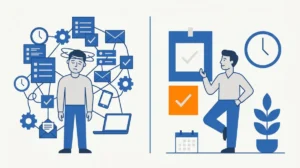
For decades, the standard path to automation required a significant investment of time and technical literacy. Professionals seeking to streamline workflows typically relied on scripting languages such as Python, automation frameworks like AppleScript, or specialized integration tools like Hazel. The "figuring-out cost"—the time required to design, test, and debug these systems—often exceeded the time saved by the automation itself. Consequently, many workers reached a state of "process complacency," where inefficient tasks were performed manually simply because the barrier to improvement seemed insurmountable.
The shift toward AI-assisted workflows marks a departure from this paradigm. Because AI interfaces process natural language commands, the overhead associated with technical configuration is drastically reduced. A user no longer needs to possess advanced programming skills to automate a process; they simply need the ability to describe the friction point clearly. This transition is not merely a change in tooling, but a change in the cognitive load required to maintain a high-efficiency environment.
Chronology of a Five-Minute Fix
The efficacy of this approach was recently demonstrated in a series of workflow audits conducted by productivity consultants. In one instance, a developer identified a recurring bottleneck: the need to physically transition between a desktop workstation and a laptop to perform routine software build checks. By describing the specific sequence of actions—opening the device, authenticating, and navigating to the build environment—to an AI assistant, the user bypassed the need for complex hardware integration or custom scripts. The AI proposed a streamlined, software-based workaround that reduced the task to a five-minute operation.
Following this initial success, the scope of optimization expanded. The subject, a podcast producer who had previously spent roughly half a workday per episode on manual file management, image processing, and show-note generation, applied the same methodology. Rather than attempting a comprehensive overhaul of the entire production pipeline, the producer focused on a single, isolated friction point: generating project thumbnails.
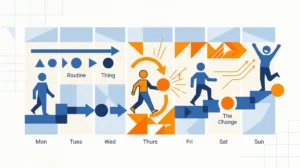
As this task was automated through a single AI command, it became clear that other adjacent manual steps—file naming, metadata entry, and link verification—could be bundled into the same process. What was previously a four-hour manual effort was compressed into 15 minutes of administrative supervision. This compounding effect illustrates a core principle of modern operations: once the initial barrier to automation is removed, subsequent improvements reveal themselves as natural extensions of the new, more efficient workflow.
The Three Times Rule and Systematic Auditing
To prevent the "tinkering trap"—where professionals optimize for the sake of optimization rather than output—experts recommend the "Three Times Rule." This operational heuristic dictates that if a specific task or system flaw causes annoyance on three separate occasions, it necessitates an immediate, permanent fix. By institutionalizing this rule, organizations can eliminate the debate over whether a friction point is "worth" fixing, effectively prioritizing systemic health over short-term expediency.
This approach draws from the Theory of Constraints, an operational management philosophy which posits that every complex system is limited by a single bottleneck. In the context of individual productivity, the bottleneck is often a legacy workflow that has not been audited for months or even years. As noted in recent industry observations, workflows are subject to "quiet decay," where manual processes remain functional but become increasingly inefficient as external tools and project requirements evolve.
External Perspectives and the Audit Gap
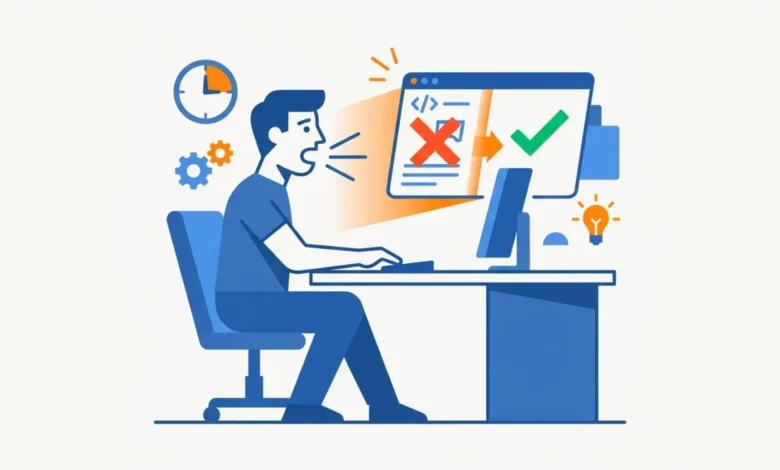
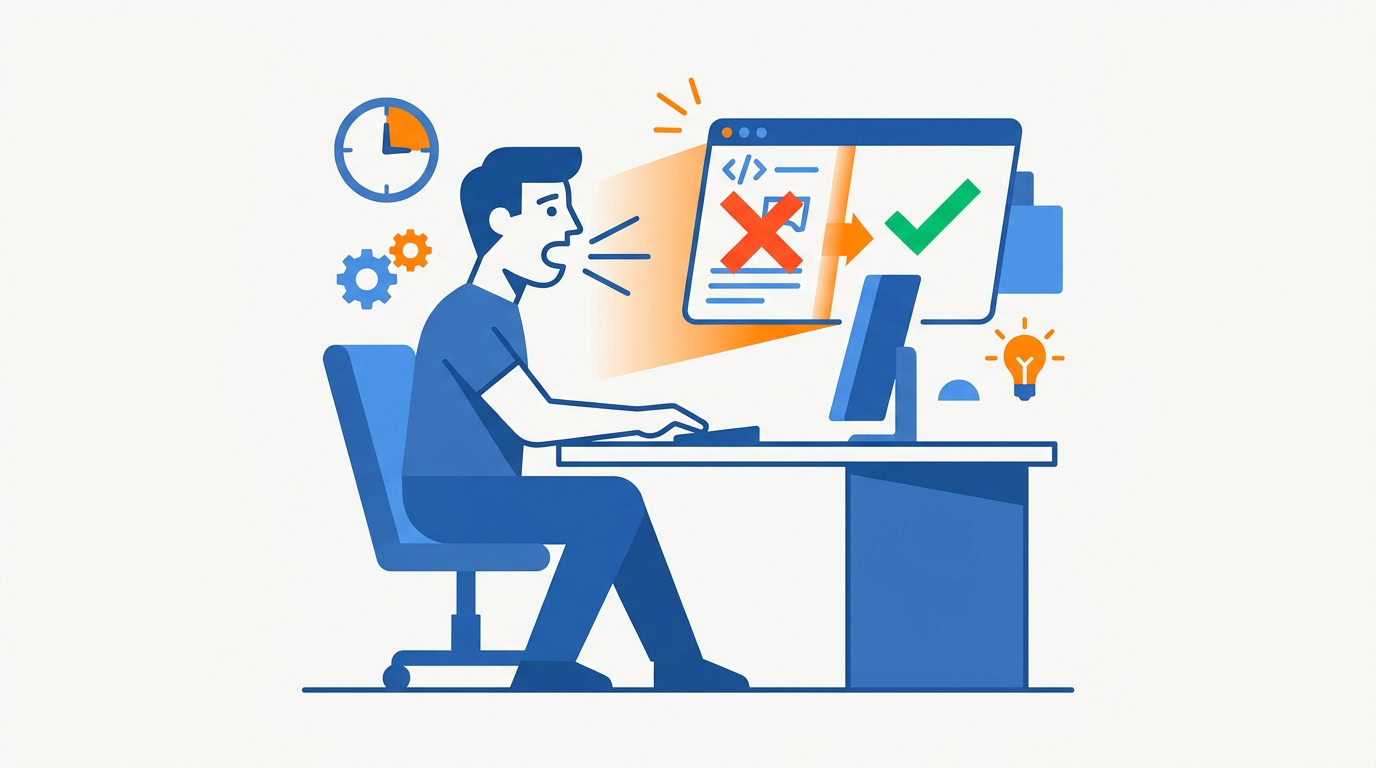
A significant challenge in workflow optimization is the "internal audit blind spot." Because individuals often adapt to the inefficiencies of their own processes, they lose the ability to perceive them as problems. A common solution observed in corporate settings is the "demo audit." By recording a screen-share session or walking a colleague through a workflow, the user is forced to verbalize each step. Often, the act of explaining a process aloud reveals its inherent complexity, leading the practitioner to ask, "Why does this specific step take so long?"
Training a new hire or a virtual assistant serves as a rigorous audit of these internal processes. When a professional must document a workflow to facilitate a handover, they are essentially forced to confront the inefficiencies they have normalized. In the current technological climate, this documentation process can be augmented by AI. By recording a workflow, transcribing the steps, and inputting the resulting data into an LLM, a user can generate a comprehensive playbook that the AI can then execute or refine.
Technological Implications and Data Privacy
The transition toward AI-driven productivity is not without its technical considerations. The shift from web-based interfaces to dedicated desktop applications for AI tools is increasingly significant. Desktop applications for platforms such as Claude or ChatGPT often retain local session histories, which function as detailed logs of an individual’s professional habits.
These logs represent a goldmine of metadata regarding how a professional operates. When queried, an AI can analyze these historical session files to identify patterns, recurring delays, and opportunities for automation that the user may have missed. However, browser-based sandboxing often prevents these tools from accessing such granular local data, suggesting that users who prioritize deep integration should transition toward native desktop environments to leverage the full analytical capability of their AI assistants.
Broader Impact on Professional Output
The move away from manual file management and toward AI-orchestrated workflows is fundamentally changing the nature of professional roles. The transition from "doing" to "supervising" is a measurable shift in labor allocation. As seen in the case of the podcast production pipeline, moving from manual grunt work to 15 minutes of supervision represents a 90% increase in time efficiency.
This transformation extends beyond simple task management. The ability to input raw transcripts into an AI tool and produce structured output—such as mind maps, blog drafts, or code—has rendered many specialized organizational tools redundant. When a professional finds themselves no longer opening specific software packages, it is a clear indicator that their workflow has shifted.
Conclusion: Continuous Improvement as a Mindset
The primary takeaway for modern professionals is that AI eliminates the "exploration tax"—the high cognitive and temporal cost of researching, learning, and implementing new productivity solutions. By lowering the barrier to entry for automation, AI allows for an agile, incremental approach to continuous improvement, or "kaizen."
To begin this process, individuals are encouraged to adopt a granular focus. Rather than attempting to restructure an entire career or business model at once, one should identify a single, recurring annoyance—a task that has triggered frustration three times in the past month—and utilize a plain-language prompt to seek an AI-driven workaround. This method builds the necessary "behavioral muscle" to sustain long-term efficiency.
As businesses continue to navigate the integration of AI, the focus will likely shift from the raw capabilities of the models themselves to the creative, disciplined application of these tools by the individual. In this environment, the most successful professionals will be those who treat their workflows as living, auditable systems, constantly seeking to dissolve friction before it has the opportunity to compound. By treating AI not merely as a chatbot, but as an operational partner capable of analyzing, documenting, and executing complex tasks, the modern worker can reclaim significant portions of their day, effectively shifting their focus from the maintenance of their process to the quality of their output.