Brandweek 2026 Returns to Atlanta to Address the Seismic Shifts Redefining the Modern Marketing Landscape

The marketing profession is currently traversing one of its most volatile and transformative periods in history, marked by the rapid integration of generative artificial intelligence, shifting consumer loyalties, and an increasing demand for corporate accountability. As legacy brands struggle to remain relevant in an era of digital disruption, Adweek’s Brandweek 2026 emerges as a critical touchpoint for industry leaders. Returning to Atlanta from September 15 to September 17, the summit seeks to provide a roadmap for navigating the dual pressures of technological integration and the imperative for purpose-driven growth.
A Convergence of Industry Titans
The three-day event functions as a high-level forum for senior marketing executives, brand architects, and creative strategists. This year’s roster of participating organizations represents a cross-section of the global economy, spanning consumer packaged goods, technology, travel, and finance. Confirmed representatives from Coca-Cola, Starbucks, Crocs, Mattel, Ben & Jerry’s, and State Farm underscore the event’s focus on large-scale brand transformation.
The logistical importance of Atlanta as a host city cannot be overstated. As a burgeoning hub for both legacy corporate headquarters and a growing tech-forward startup ecosystem, the city provides a backdrop that mirrors the current dual-track reality of modern marketing: the necessity of maintaining established brand equity while simultaneously pivoting toward agile, data-driven methodologies.
Chronology of Marketing Challenges
To understand the significance of this year’s agenda, one must look at the recent timeline of the marketing sector. Throughout 2024 and 2025, the industry saw an unprecedented contraction in traditional ad spending, followed by a surge in investments focused on personalized, AI-driven content.
- 2024: The "Year of Efficiency." Marketers shifted focus from broad-scale acquisition to retention and data-privacy compliance in a cookieless environment.
- 2025: The "AI Integration Phase." Companies began moving past the experimental stage of generative AI, attempting to integrate tools into internal workflows for search engine optimization (SEO), creative asset generation, and predictive consumer analytics.
- 2026: The "Reinvention Era." The current focus, as highlighted by Brandweek’s curriculum, is no longer just about adopting new tools but about fundamentally restructuring brand narratives to align with consumer expectations for sustainability, ethical business practices, and personalized engagement.
Key Sessions and Strategic Insights
The programming for Brandweek 2026 is intentionally granular, moving beyond high-level theory to focus on actionable strategies. Several sessions are poised to define the discourse for the remainder of the fiscal year.
Among the most anticipated is a case study on Crocs, led by the brand’s leadership, focusing on the company’s pivot from a functional footwear manufacturer to a cultural icon. The discussion will dissect how the brand utilized unexpected collaborative partnerships and sophisticated social commerce channels to drive unprecedented growth among Gen Z and Millennial cohorts.
Similarly, Starbucks’ leadership is scheduled to unpack the complexities of a multi-year business transformation. In an environment where the "third place" model faces challenges from mobile ordering and evolving consumer habits, the brand’s ability to maintain its market share serves as a bellwether for the retail and hospitality sectors.
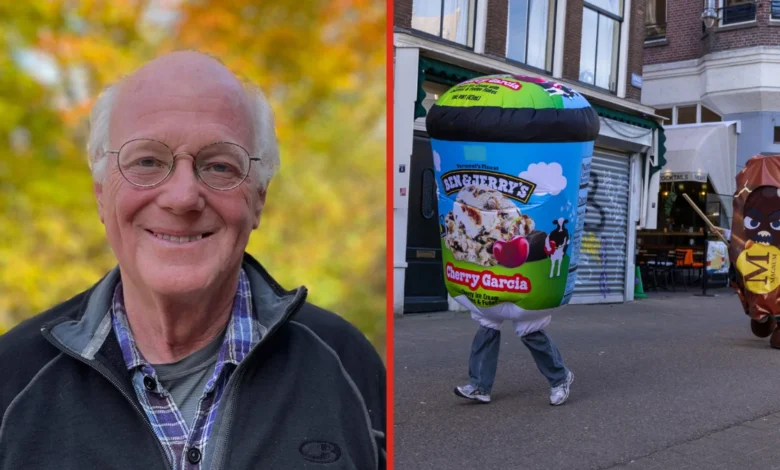
Perhaps most notably, Ben & Jerry’s co-founder Ben Cohen will lead a session addressing the inherent tension between corporate profitability and social advocacy. This session comes at a time when brands are increasingly criticized for "purpose-washing," and Cohen’s insights are expected to challenge the traditional exit-strategy-first mentality that currently dominates the boardroom.
Data-Driven Perspectives on Industry Attendance
The efficacy of an industry summit is often measured by the caliber of its attendees. According to internal event metrics, Brandweek 2026 has curated an audience that is 75% brand-side practitioners, with 67% holding the title of director or higher. This high concentration of decision-makers creates an environment conducive to high-level networking and the establishment of industry standards.

Participating companies include a diverse array of sectors, reflecting the cross-pollination of marketing ideas across industries:
- Technology and Finance: Adobe, Meta, JPMorgan Chase, and Zoom.
- Retail and CPG: Target, The Home Depot, Kimberly-Clark, Mars, and Land O’Lakes.
- Travel and Hospitality: Delta Air Lines, Expedia Group, and IHG Hotels & Resorts.
- Food and Beverage: Chick-fil-A, Heineken, and Coca-Cola.
The presence of such a diverse cohort suggests that the challenges facing marketing are no longer siloed. A CMO at a hotel chain now faces many of the same AI-driven challenges as a brand manager at a major consumer goods company.
The AI Imperative
Recognizing the widening skills gap within marketing departments, Brandweek has dedicated an entire day to the practical application of AI. The curriculum is designed to move beyond the hype cycle, focusing on concrete skills such as prompt engineering for marketing copy, AI-assisted market research, and the ethical implications of using synthetic media.
Industry analysts note that while the adoption of AI is high, the "effective utilization" rate remains low. Many organizations have purchased enterprise licenses for generative tools but lack the internal processes to integrate these tools into existing brand safety frameworks. By focusing on practical learning, Brandweek aims to bridge this gap, helping teams transform AI from a buzzword into a productivity multiplier.
Broader Implications and Future Outlook
The implications of the discussions held at Brandweek 2026 will likely ripple through the industry into 2027. As the macroeconomic environment remains uncertain, the pressure on CMOs to demonstrate clear return on investment (ROI) has reached a fever pitch.
The emphasis on "purpose-driven growth" during the conference is a direct response to a consumer base that is increasingly skeptical of corporate rhetoric. If a brand cannot demonstrate how its values manifest in its supply chain, employment practices, and product development, it risks alienation. The sessions at Brandweek are designed to offer a methodology for aligning these values with tangible business outcomes.
Furthermore, the focus on social commerce and direct-to-consumer (DTC) channels reflects the ongoing decline of reliance on third-party platforms. Brands are increasingly seeking to "own" their customer data, and the lessons shared by industry leaders in Atlanta will likely center on how to foster deeper, more resilient relationships with consumers in a fragmented media environment.
Access and Registration
For professionals looking to engage with these themes, registration for Brandweek 2026 is currently open. The event organizers have provided a discount code, BRANDWEEK30, offering 30% off registration for attendees. Detailed information regarding the full speaker list, session times, and hotel accommodations can be found at the official event portal.
As the industry stands on the precipice of further technological and social change, events like Brandweek serve as a vital clearinghouse for information. By facilitating the exchange of experiences among the world’s leading marketers, the event helps to ensure that as the profession evolves, it does so with a sense of purpose, technical proficiency, and strategic clarity. Whether through the lens of AI adoption, brand reinvention, or the ethics of corporate growth, the insights shared in Atlanta will form the bedrock of marketing strategy for the coming years.