AMC Theatres Revolutionizes HR Performance Management to Drive Retention and Workforce Growth

For decades, traditional performance reviews and administrative management have been viewed by human resources professionals as burdensome chores. Often described as bureaucratic roadblocks that slow down organizational momentum, these legacy processes routinely generate administrative clutter while failing to produce meaningful business results. However, as workforce dynamics shift toward employee-centric models, progressive organizations are reevaluating how performance management can actively support career growth, uncover hidden leadership potential, and strengthen the overall business infrastructure rather than stifle it.
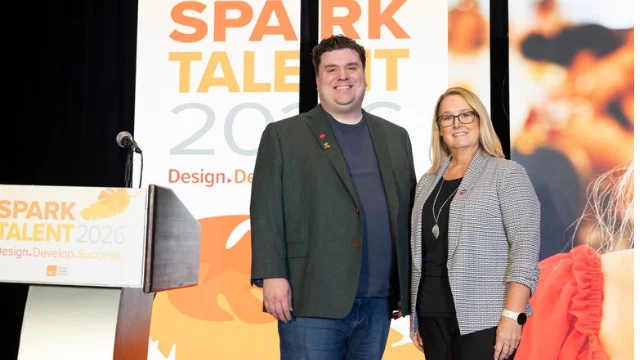
This critical challenge took center stage at SPARK Talent 2026, a premier industry conference bringing together global HR innovators, talent leaders, and organizational strategists. During a heavily attended keynote session, Stephanie Garcia, Manager of Theatre Learning and Development at AMC Theatres, and Adam Murphy, Director of People Analytics and Systems at AMC, detailed how the world’s largest movie exhibition company completely overhauled its approach to performance management. By moving away from rigid, compliance-driven metrics and shifting toward a holistic development model, AMC has successfully reshaped its workforce culture and achieved remarkable operational milestones.
The Transformation Imperative: Moving Beyond the Traditional Review
The evolution of AMC’s HR strategy did not happen overnight. Historically, managing a workforce spread across hundreds of entertainment venues presented unique logistical hurdles. Traditional performance management in the movie theater industry often suffered from high turnover rates, disconnected communication between corporate headquarters and local theater staff, and a lack of personalized career development pathways.
Recognizing that legacy appraisal systems were failing both employees and the business, AMC leadership initiated a multi-year transformation project. The core objective was simple yet ambitious: design a performance ecosystem that treats employees as complete individuals rather than mere labor units, thereby fostering long-term engagement and institutional loyalty.
The Whole-Person Philosophy: Redefining the Employee Experience
At the heart of AMC’s modern HR strategy is what leadership terms the "Whole-Person Philosophy." In fast-paced operational environments where daily operational demands—such as customer service, concession management, and scheduling—frequently take precedence, it is easy for organizations to view workers strictly through the lens of productivity metrics. AMC’s leadership recognized that sustainable business success stems from acknowledging employees’ lives outside the workplace, including their personal aspirations, family commitments, and individual support needs.
During their SPARK Talent 2026 presentation, Garcia elaborated on the architectural design of this new framework. "We created an ecosystem that truly is one that’s built around all of the things that can work together to ensure that we’re coming up with a solution that can be not only here today, but be able to continue on after the event or the initial launch has happened," Garcia explained to industry peers. "Our ecosystem really focuses on capabilities and that development at an individual level."
By focusing on individual capabilities rather than standardized, one-size-fits-all evaluations, AMC empowered local managers to engage in meaningful, continuous dialogues with their team members. This shift transformed performance management from an annual anxiety-inducing review into an ongoing developmental partnership.
Data-Driven Retention: Aligning Technology with the Employee Journey
Building a personalized, sustainable performance ecosystem is fundamentally constrained by high employee turnover. When organizations experience continuous churn, HR leaders lack the stability required to understand their workforce, implement long-term training initiatives, or cultivate internal talent pipelines. Consequently, prioritizing retention became the foundational prerequisite for AMC’s broader cultural transformation.
Murphy addressed the analytical approach behind AMC’s retention strategy, highlighting the integration of modern workplace technology with traditional compensation and benefits structures. "We focused in on this position [with employees] and realized that’s where we need to redesign experience, we need to understand the employee journey," Murphy noted. "So we invested in both traditional total rewards, we invested in technology built around experience. We looked at some of the exercises for removing that friction and making a better work experience for them."
The results of this strategic pivot have been statistically significant. By systematically identifying and removing operational friction points, streamlining administrative processes, and enhancing total rewards packages, AMC reported a dramatic decline in attrition. Within three years of implementing these targeted experience and retention initiatives, AMC’s employee turnover rate dropped significantly, stabilizing at 22 percent—a remarkable achievement in the notoriously high-turnover retail and entertainment sectors.
Cultivating an Exceptional Operational Environment
For any performance management framework to succeed, the underlying operational environment must be thoroughly understood and optimized. AMC’s HR leadership realized that enterprise-wide policies could not be effectively deployed without accounting for the diverse, localized realities of individual theater locations.
The environment of a multi-screen cinema complex differs vastly from a traditional corporate office. Factors such as physical facility layouts, workflow bottlenecks, scheduling complexities, and a high concentration of younger or minor employees require highly localized management strategies.
"Our environment is mainly our theaters, right? We needed to know what’s happening in that environment," Garcia explained during the conference. "We wanted to know, were there physical barriers that were intruding if we wanted to put a new initiative out? Is there something with the workflow or the processes that they have already in place there about work scheduling, or perhaps that we have a lot of minors?"
By asking these granular, environment-specific questions, AMC’s HR team bridged the gap between executive strategy and front-line execution. Managers were equipped with the insights necessary to adapt corporate directives to the specific needs of their local teams, ensuring that performance expectations remained realistic, fair, and achievable.
Chronology of the Transformation
The success showcased at SPARK Talent 2026 represents the culmination of a deliberate, multi-phase organizational journey:
- Identification Phase: Recognizing the limitations of legacy performance reviews and high industry turnover as critical threats to long-term operational stability.
- Diagnostic Phase: Analyzing the specific friction points within theater environments, including scheduling complexities, physical workplace barriers, and demographic considerations such as minor workforce compliance.
- Strategy and Investment Phase: Redesigning the employee journey by deploying experience-focused workplace technologies alongside enhanced total rewards and localized training programs.
- Execution and Iteration Phase: Embedding the "Whole-Person Philosophy" into daily management practices, transitioning from static annual reviews to continuous capability development.
- Evaluation Phase: Measuring outcomes over a three-year period, resulting in a verified reduction of turnover to 22 percent and establishing a scalable blueprint for ongoing workforce resilience.
Broader Industry Implications and Future Outlook
The case study presented by AMC Theatres at SPARK Talent 2026 offers vital lessons for human resources professionals across multiple industries, including retail, hospitality, food service, and entertainment. As organizations globally navigate labor shortages, rising employee expectations, and the rapid adoption of artificial intelligence in HR tech, AMC’s methodology demonstrates that technological investment must be paired with deep empathy and contextual awareness.
Industry analysts observing the session noted that AMC’s success challenges the conventional wisdom that high turnover is an immutable reality of hourly shift work. By treating retention as an engineering problem—systematically identifying friction, investing in the employee journey, and respecting the whole person—companies can build resilient workforces capable of weathering broader economic fluctuations.
As human resources continues to evolve from an administrative compliance function into a strategic driver of enterprise value, frameworks like the one deployed at AMC provide a clear roadmap. By replacing bureaucratic chores with supportive, capability-driven development ecosystems, modern enterprises can simultaneously elevate their workforce and secure long-term competitive advantage.