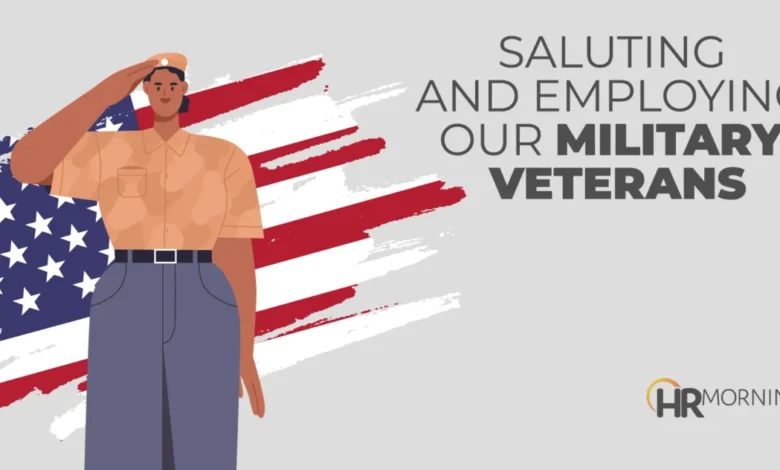
As the nation marks Veterans Day, the human resources landscape is undergoing a significant shift, moving from a passive acknowledgment of military service to a proactive integration of veteran talent into the corporate workforce. For HR leaders grappling with a stubborn 2% voluntary quit rate and a tightening labor market, the veteran population represents a vast, underutilized reservoir of leadership, resilience, and technical expertise. Moving beyond mere corporate social responsibility, forward-thinking organizations are now positioning veteran hiring as a critical component of their long-term talent acquisition strategy.
The Evolution of Military Recruitment in the Private Sector
The historical context of veteran employment in the United States has evolved considerably since the post-World War II era. While the transition from military service to civilian employment has often been fraught with challenges—ranging from the "skills translation" gap to cultural misalignment—modern industry leaders are dismantling these barriers.
In the last decade, federal initiatives such as the Department of Defense’s SkillBridge program have bridged the gap by allowing service members to gain valuable civilian work experience during their final months of service. This represents a fundamental change in how the government and the private sector collaborate. By aligning military training with industry-standard certifications, companies are no longer just hiring for "potential"; they are hiring for proven, documented capability.
Quantifying the Value Proposition: Skills and Discipline
The economic rationale for hiring veterans is rooted in the high-impact skill sets these individuals bring to the table. According to industry experts, the "veteran advantage" is not anecdotal; it is a measurable contribution to operational efficiency.
Jerome Soltani, Senior VP of US Services at Schneider Electric, emphasizes that the military experience fosters a unique blend of "resilience under pressure and strategic problem-solving." In a volatile, uncertain, complex, and ambiguous (VUCA) business environment, these traits are highly sought after. Veterans are trained to operate in fast-paced, high-stakes environments where accountability and attention to detail are not optional—they are requirements for success.
From an HR perspective, this translates into lower training overhead for "soft skills." Leadership, teamwork, and the ability to thrive under strict deadlines are foundational to military culture. When integrated into a corporate team, these individuals often serve as cultural anchors, stabilizing departments during periods of organizational change or high-pressure project delivery.
Overcoming the Translation Gap
Despite the clear benefits, a significant hurdle remains: the "language barrier" between military experience and civilian job descriptions. Recruiters often struggle to equate a military Occupational Specialty (MOS) with civilian job requirements.
To bridge this, experts advocate for a shift in recruitment methodology. Sarah Peiker, formerly of Orion Talent, suggests that organizations must move beyond traditional applicant tracking systems that may automatically filter out resumes due to a lack of traditional corporate terminology. Instead, companies should focus on:
- Targeted Outreach: Engaging directly with transition centers on military bases.
- Skills-Based Matching: Utilizing tools that map specific military roles to civilian counterparts (e.g., matching a Logistics Specialist to a Supply Chain Manager role).
- Mentorship Pipelines: Pairing incoming veterans with employees who have previously served, ensuring that the transition into corporate culture is supported by someone who understands the nuances of both worlds.
Case Studies in Successful Integration
The success of programs at firms like Schneider Electric and Power Home Remodeling offers a roadmap for other organizations. Schneider Electric, recognized as a Gold Military Friendly Employer, has effectively utilized the Department of Defense SkillBridge program to create a clear pathway for veterans. By allowing service members to complete internships and training cycles before their official separation date, the company ensures that when a veteran starts on their first day, they are already equipped with the necessary certifications and organizational familiarity to hit the ground running.
Similarly, Power Home Remodeling has pioneered programs that focus heavily on the "holistic" support of the veteran. James Boscia, National Director of Military Affairs, argues that retention begins long before the employee reaches their one-year anniversary. It starts with a culture that values the veteran’s background. At Power, this includes initiatives that allow veteran employees to lead, such as organizing company-wide events or fostering internal affinity groups. These actions do not just benefit the veteran; they elevate the standard of engagement for all employees, fostering a culture of camaraderie that is often missing in purely transactional work environments.
Data-Driven Retention: Why Culture Matters
While recruitment is the first step, retention is the true test of a successful veteran program. Statistics suggest that veterans often leave their first post-military job within two years at a rate higher than their civilian peers. Analysts point to a lack of "cultural fit" as the primary driver.
To combat this, companies must implement specific retention incentives:
- Employee Resource Networks (ERNs): Creating a dedicated space for veterans to connect allows them to share experiences and navigate corporate bureaucracy in a supportive environment.
- Tailored Onboarding: Standard onboarding is often insufficient for someone transitioning from a highly structured, command-and-control environment to a decentralized corporate structure. Providing additional guidance on how to navigate internal networks and informal communication channels is essential.
- Spousal Support: Recognizing that a veteran’s success is often tied to the stability of their family, forward-thinking companies are extending benefits and career support to military spouses, acknowledging the sacrifice made by the entire household.
The Broader Implications for the Future of Work
The push to hire veterans is not merely a patriotic gesture; it is a strategic response to the shifting demographics of the American workforce. As the "Great Attrition" continues to challenge HR departments, the ability to tap into the veteran pool provides a competitive advantage.
Looking forward, the integration of veterans into the workforce will likely become a key differentiator for high-performing companies. As artificial intelligence and automation continue to reshape job roles, the ability to adapt, learn, and lead—the hallmark of the military-trained professional—will become even more valuable than static technical knowledge.
Furthermore, the presence of veterans in the workforce acts as a catalyst for cultural growth. By introducing the values of mission-focus, collective responsibility, and disciplined execution, veteran employees often inspire non-military staff to approach their work with a higher level of dedication. This "culture transfer" is perhaps the most significant, yet least discussed, benefit of a robust veteran hiring strategy.
Conclusion: A Strategic Imperative
For HR professionals, the message is clear: Veterans Day should serve as the starting point for a 365-day commitment to military-inclusive hiring. The data is compelling, the leadership qualities are proven, and the business case is robust. By investing in the infrastructure required to find, hire, and retain these individuals, organizations are not just doing the right thing; they are securing the talent necessary to thrive in an increasingly complex global economy.
As the labor market continues to fluctuate, the companies that will emerge as leaders are those that recognize that the transition from the battlefield to the boardroom is not just a personal journey for the veteran—it is a vital expansion of the organization’s own operational capabilities. The path forward involves intentionality, partnership with military-transition organizations, and a commitment to creating an environment where the skills honed in service can flourish in the service of business growth. Through this lens, veteran hiring ceases to be an HR initiative and becomes a fundamental pillar of sustainable, long-term corporate success.