Mondelez’s Mindy Shaltry & Wes Saraceni on Breaking Down the Marketing and Sales Divide

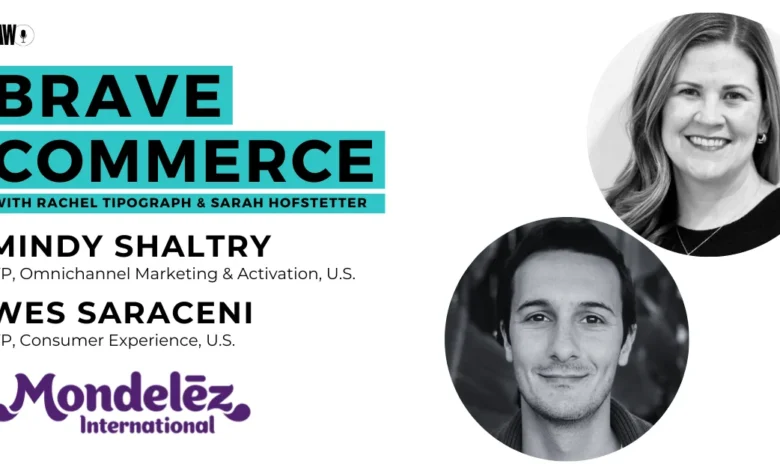
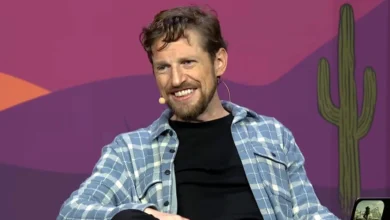
The dynamic landscape of consumer engagement and purchasing behavior necessitates a profound re-evaluation of traditional marketing and sales methodologies, a critical theme explored in a recent episode of Adweek’s "Brave Commerce" podcast. Featuring Mindy Shaltry, VP of Omnichannel Marketing & Activation at Mondelēz U.S., and Wes Saraceni, VP of Consumer Experience U.S. at Mondelēz International, the discussion illuminated why a closer alignment between these two traditionally distinct organizational functions is paramount for navigating today’s complex shopper journey. This insightful dialogue serves as a compelling prelude to Brandweek 2026, where industry leaders will convene to dissect and shape the future of brands amidst continuous market transformation.
The conversation with "Brave Commerce" hosts Rachel Tipograph and Sarah Hofstetter underscored the urgent need for companies, particularly large multinational corporations like Mondelēz, to dismantle internal silos that often impede seamless customer experiences. Shaltry and Saraceni detailed their collaborative efforts to integrate marketing and sales strategies, aiming to build a more cohesive and impactful path to purchase for consumers. Their insights are especially pertinent as Brandweek 2026 prepares to gather top marketers to explore the ideas, insights, and connections that will define the next era of brand building and consumer engagement.
The Evolving Shopper Journey and the Imperative of Alignment
The contemporary shopper journey is far removed from the linear model of previous decades. Consumers today interact with brands across a multitude of touchpoints—from social media discovery and online research to in-store experiences and post-purchase engagement—often simultaneously and non-sequentially. This multifaceted journey demands a unified approach from brands, one where marketing efforts seamlessly transition into sales conversions and ongoing customer relationships. Shaltry and Saraceni highlighted that the disconnect between marketing, which traditionally focuses on brand awareness and demand generation, and sales, which prioritizes conversion and revenue, can lead to fragmented customer experiences and missed opportunities.
Data consistently supports the efficacy of integrated strategies. Research by companies like HubSpot and Salesforce indicates that organizations with tightly aligned sales and marketing teams experience significantly higher revenue growth and improved customer retention. For instance, a study by Aberdeen Group found that companies with strong sales and marketing alignment achieve 20% annual revenue growth, compared to a 4% decline for companies with poor alignment. This statistical evidence reinforces the central tenet of the Brave Commerce discussion: that breaking down organizational barriers is not merely an operational nicety but a strategic imperative for sustained growth and competitive advantage.
Mondelēz, a global powerhouse in the snacking industry with iconic brands such as Oreo, Cadbury, and belVita, operates within a highly competitive and rapidly evolving consumer packaged goods (CPG) landscape. The company’s vast portfolio and global reach mean that even minor inefficiencies in the consumer journey can translate into significant lost market share. Shaltry and Saraceni’s partnership represents a strategic move to address these challenges head-on, ensuring that marketing messages resonate at the point of sale and that sales data informs future marketing campaigns, creating a virtuous cycle of improvement.
Dismantling Silos and Reshaping the Traditional Funnel
One of the primary challenges addressed by the Mondelēz executives is the inherent tendency for large organizations to develop departmental silos. Historically, marketing and sales teams often operate with separate objectives, budgets, and key performance indicators (KPIs), leading to a lack of shared understanding and coordinated effort. Shaltry and Saraceni explained how their joint leadership is actively working to bridge this divide, fostering a culture of shared accountability for the end-to-end consumer experience. This involves regular cross-functional meetings, shared data platforms, and collaborative goal-setting, ensuring that both teams are working towards a common vision of customer satisfaction and brand loyalty.
The discussion also delved into the limitations of the traditional marketing funnel, which often depicts a linear progression from awareness to interest, desire, and action. In today’s dynamic environment, consumers frequently loop back, skip steps, or engage with brands in non-linear ways. The Mondelēz leaders emphasized the need to reshape this outdated model into a more fluid, interconnected journey that acknowledges the iterative nature of modern purchasing decisions. This involves understanding micro-moments of engagement, leveraging data to predict consumer needs, and deploying personalized content at critical junctures. The goal is to create a "connected consumer experience" that anticipates and responds to individual preferences across every stage of interaction, whether it’s an online advertisement, an in-store display, or a social media interaction.
Key Leadership Insights: Learning from Agility and Addressing the "Missing Middle"
A particularly illuminating aspect of the Brave Commerce conversation was the emphasis on what large organizations can learn from smaller, more agile brands. Smaller brands, often unburdened by legacy systems and bureaucratic structures, frequently excel at direct-to-consumer (DTC) models, rapid experimentation, and hyper-personalized engagement. Shaltry and Saraceni pointed out that the nimbleness and customer-centricity characteristic of many startups offer valuable lessons for established giants like Mondelēz. By observing and adapting these principles, large companies can inject a spirit of innovation and responsiveness into their own operations, fostering a more direct and authentic connection with their consumer base. This might involve adopting leaner operational models for specific initiatives, investing in new technologies that enable faster market feedback, or empowering smaller, cross-functional teams to act with greater autonomy.
The executives also shed light on what they termed the "missing middle" of the consumer journey. This refers to the often-overlooked stages between initial awareness and final purchase, where consumers are actively researching, comparing, and deliberating. This phase is crucial for conversion, yet it can be challenging for brands to effectively engage consumers here, particularly in the vast digital landscape. Strategies to address this "missing middle" include developing rich, informative content, facilitating peer reviews and community engagement, offering personalized recommendations, and ensuring seamless transitions between different channels (e.g., from an online ad to a product page, or from a social media post to an e-commerce platform). By focusing on this critical phase, brands can nurture leads more effectively and guide consumers towards a confident purchase decision.
Furthermore, Shaltry and Saraceni shared personal reflections on how stepping into unfamiliar roles has profoundly shaped their leadership. This willingness to embrace new challenges and gain diverse experience is central to breaking down internal barriers and fostering a holistic understanding of the business. Such cross-functional experience enables leaders to empathize with different departmental perspectives, understand interdependent processes, and champion integrated solutions, ultimately benefiting the entire organization.
Background and Context: Adweek, Brave Commerce, and Brandweek 2026
The "Brave Commerce" series is a prominent offering from Adweek, a leading international publication and platform that has served the advertising, marketing, and media industries for over four decades. Adweek is renowned for its in-depth coverage, analysis, and events that track the pulse of the industry, making it an authoritative source for professionals seeking insights into emerging trends and best practices. The "Brave Commerce" podcast specifically focuses on e-commerce and retail innovation, featuring candid conversations with industry trailblazers about the strategies and challenges shaping the future of digital commerce. Its consistent delivery of high-caliber discussions makes it an invaluable resource for marketers and business leaders navigating the complexities of the modern marketplace.
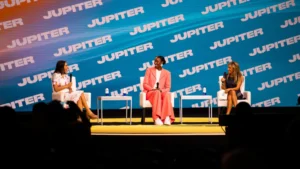
The insights gleaned from the Mondelēz discussion are particularly relevant in the run-up to Brandweek 2026, Adweek’s flagship event dedicated to the future of brands. Brandweek has historically been a pivotal gathering for the marketing community, evolving from its origins as a print publication in 1986 to a premier annual conference. The event is meticulously curated to bring together the industry’s top marketers, thought leaders, and innovators to share ideas, unveil new strategies, and forge connections that will define the trajectory of brand development. Each year, Brandweek delves into pressing topics such as consumer behavior shifts, technological advancements, ethical branding, and sustainable practices.
For Brandweek 2026, the emphasis on "ideas, insights, and connections shaping what’s next" signals a forward-looking agenda. Themes explored are expected to include the impact of artificial intelligence on personalization, the role of virtual and augmented reality in brand experiences, the increasing importance of purpose-driven marketing, and, critically, the integration of data-driven insights across all brand touchpoints. The dialogue initiated by Mondelēz executives on marketing-sales alignment and connected consumer experiences perfectly aligns with Brandweek’s mission to address the most critical challenges and opportunities facing modern brands. Attendees, typically senior marketing executives, brand managers, and agency professionals, are encouraged to secure their tickets well in advance, highlighting the event’s stature and anticipated demand.
Broader Implications and Future Outlook
The principles articulated by Mindy Shaltry and Wes Saraceni extend far beyond the CPG sector, holding significant implications for virtually every industry. The imperative for marketing and sales alignment is a universal business challenge, as customer expectations for seamless, personalized experiences continue to rise across all sectors, from automotive to financial services and healthcare. Organizations that successfully integrate these functions are better positioned to understand customer needs, deliver consistent brand messaging, optimize resource allocation, and ultimately drive superior business outcomes.
Looking ahead, the convergence of marketing and sales is likely to lead to further organizational restructuring, potentially giving rise to new hybrid roles and integrated teams responsible for the entire customer lifecycle. Technology, particularly advanced analytics, customer relationship management (CRM) systems, and AI-powered personalization platforms, will play an increasingly vital role in facilitating this alignment, providing the data and tools necessary for a truly connected customer experience. Brands that invest in these technological capabilities and foster a culture of cross-functional collaboration will gain a significant competitive edge, capable of adapting rapidly to market shifts and building enduring customer loyalty.
The ongoing discussions, such as those featured on "Brave Commerce" and slated for Brandweek 2026, are crucial for guiding the industry through these transformations. They provide a forum for sharing best practices, challenging conventional wisdom, and collectively charting a course towards a future where brands are not just products or services, but integral, trusted partners in consumers’ lives. The call to action for Brandweek 2026—"Get your ticket"—is more than an invitation; it is a recognition of the dynamic forces at play and an opportunity for industry leaders to actively participate in shaping the narrative of what’s next for brands worldwide.
Related posts: