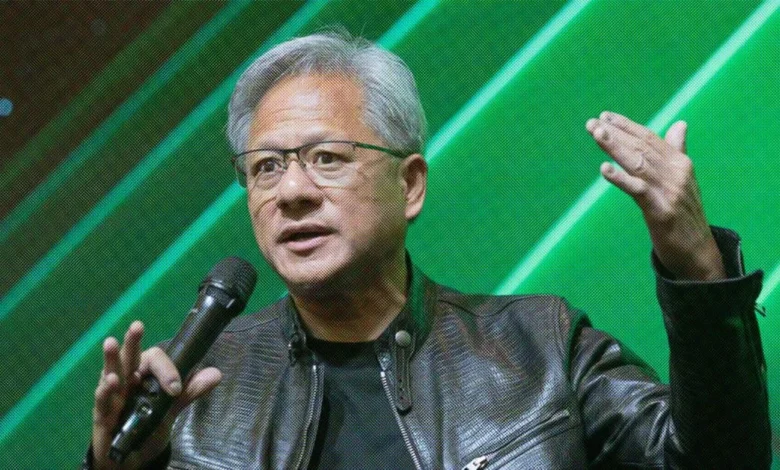
The recent public disclosure by Nvidia CEO Jensen Huang regarding an extramarital affair has thrust the semiconductor giant into a complex maelstrom of corporate governance, national security, and internal oversight challenges. While executive indiscretions are a recurring theme in corporate history, the inclusion of a suspected foreign intelligence operative—allegedly linked to Chinese state interests and embedded within a key client organization—elevates this incident from a private matter to a profound institutional risk. This unprecedented scenario serves as a critical stress test for compliance frameworks, demanding a rigorous re-evaluation of how organizations detect, investigate, and mitigate risks posed by their highest-ranking leaders.
The Anatomy of the Nvidia Disclosure
The sequence of events began with an internal acknowledgment from Jensen Huang, who issued a company-wide message to staff and his family detailing the nature of the relationship. The situation quickly transcended standard human resources protocols when intelligence reports suggested the individual involved was a suspected foreign agent. This revelation poses a significant threat to Nvidia’s intellectual property, given the company’s pivotal role in the global AI hardware supply chain.
The primary compliance challenge lies in the inherent asymmetry of information. Standard corporate conflict-of-interest policies rely heavily on self-disclosure and transparency. However, as industry experts note, it is statistically improbable for a CEO to voluntarily approach a compliance office to report a clandestine affair, particularly one involving a high-risk external party. The higher the stakes of the conflict, the more likely it is that the individual will prioritize secrecy over compliance obligations. This gap highlights the limitations of traditional, policy-based detection methods and underscores the necessity for more robust, externalized monitoring mechanisms.
Historical Context and Whistleblower Dynamics
The Nvidia case draws uncomfortable parallels to the 2013 GlaxoSmithKline (GSK) corruption scandal in China. In that instance, the exposure of illicit activities was not achieved through internal audits, but through the intervention of a whistleblower who provided graphic, unauthorized evidence of executive misconduct. The GSK incident serves as a stark reminder that in the absence of robust internal reporting channels, compliance failures often come to light through external volatility, which frequently results in greater reputational and legal damage.
The role of the compliance officer in these scenarios is fraught with danger. Investigating a superior, particularly the CEO, places the investigator in an untenable position regarding career safety and organizational influence. The experience of Pav Gill at Wirecard remains the definitive cautionary tale. Gill, while attempting to investigate reported fraud, faced immense internal pressure that eventually forced his departure. His subsequent advocacy for stronger protections for compliance staff—not just for general whistleblowers—highlights a critical flaw in current corporate structures. When the person tasked with enforcement is effectively silenced by the person under investigation, the entire governance structure collapses.
Safeguarding the Compliance Function
To insulate the compliance function from such pressures, organizations must implement systemic safeguards before a crisis occurs. These include:
- Contractual Protections for Compliance Leadership: Chief Compliance Officers (CCOs) should seek employment contracts that include explicit language regarding their authority to conduct independent investigations and their protections against retaliation, even when dealing with the highest levels of management.
- Pre-Established External Channels: Compliance charters should enshrine the right to engage independent external counsel without prior board or executive approval. By involving objective third-party experts, the organization creates a buffer that legitimizes the investigative process and ensures that findings cannot be easily suppressed or dismissed as internal bias.
- Communication Funnels: Direct, pre-approved reporting lines between the CCO and the board of directors—bypassing the CEO—are essential. This provides an escape valve during a crisis, ensuring that the board receives critical information without the filtering influence of the executive team.
The Challenge of Board Independence
The Nvidia board is currently conducting an internal investigation into the matter, with Huang pledging full cooperation. However, the composition of the board has drawn scrutiny from governance analysts. With an average tenure of nearly 15 years—significantly higher than the S&P 500 average—and two directors who have served since the company’s inception 33 years ago, the risk of "institutional capture" is significant.
Independence is not merely a structural requirement; it is a functional necessity. When board members have deep, decades-long personal and professional ties to the CEO, their capacity to act as an objective oversight body is compromised. To mitigate this, corporations should adopt disciplinary frameworks that mandate independent, third-party oversight for any investigation involving senior leadership. Furthermore, regular board assessments should lead to the systematic refreshment of directors to prevent the entrenchment of cozy relationships that can blind a board to emerging risks.
Operational Risks and Succession Planning
The "key individual" risk is perhaps the most acute challenge facing Nvidia. Jensen Huang is widely regarded as the architect of the company’s success, and his potential removal—whether due to board action or external pressure—creates a vacuum that the current organization is arguably ill-equipped to fill. Reports indicate an exceptionally flat management structure with as many as 60 direct reports and a conspicuous lack of a designated successor.
This operational fragility transforms a compliance matter into a business continuity crisis. From a risk management perspective, compliance officers must integrate business continuity planning into their risk assessments. If the board has failed to plan for the sudden departure of a transformational leader, it is incumbent upon the compliance department to flag this as a critical systemic vulnerability.
Broader Implications for Corporate Governance
The Nvidia incident is an outlier in its specific details—particularly the national security dimension—but the governance failures it highlights are universal. It serves as a reminder that tone-at-the-top is not merely an ethical guideline; it is a foundational element of security. When that tone is compromised, the entire organization becomes vulnerable to exploitation.
For the modern compliance professional, the lesson is clear: reliance on internal reporting and voluntary disclosure is a strategy for failure. Instead, resilience must be built into the charter of the organization. By formalizing the independence of the compliance function, establishing ironclad protections for internal investigators, and ensuring that boards are equipped to act objectively, companies can better prepare for the "worst-case" scenarios.
Ultimately, the Nvidia case underscores that governance is not a static state, but a dynamic, ongoing process of checks and balances. The fact that an organization as sophisticated as Nvidia could be caught in this situation suggests that no company is immune. As global markets become increasingly intertwined with geopolitical sensitivities, the bar for executive conduct and board oversight will continue to rise. Compliance officers must move beyond the role of policy-enforcers and evolve into strategic architects of organizational integrity, capable of challenging even the most powerful figures when the safety and reputation of the company are at stake.
The coming months will likely see further developments regarding the Nvidia investigation, potentially setting new precedents for how tech giants handle executive misconduct in an era of heightened global scrutiny. Until then, the case stands as a masterclass in the complexities of managing "key individual" risk, the necessity of truly independent board oversight, and the imperative of protecting those who hold the line of integrity.