Matt Mullenweg Returns to Helm at Automattic Following Sudden Ouster and Corporate Power Struggle

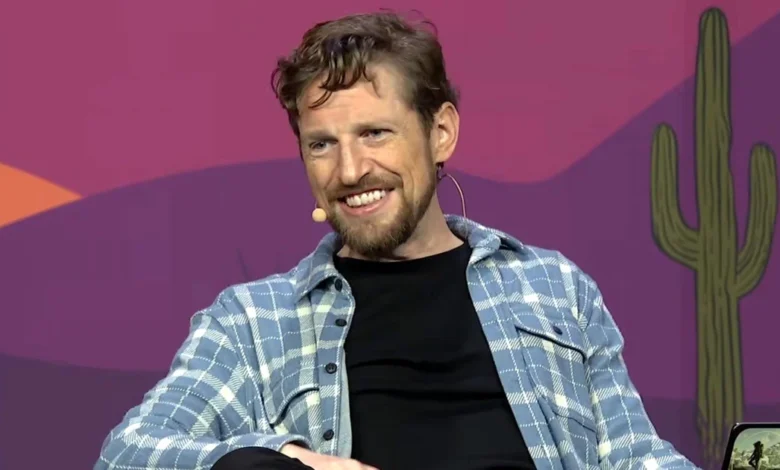
The corporate leadership structure at Automattic, the commercial force behind WordPress and WooCommerce, has stabilized following a turbulent week that saw co-founder Matt Mullenweg briefly stripped of his executive powers before mounting a rapid and unconventional reclamation of his office. An official company statement issued late Saturday, September 12, confirmed that Mullenweg has resumed his duties as chairman and chief executive officer. The announcement brings a dramatic pause to a whirlwind of executive maneuvering, internal communications chaos, and public digital lobbying that gripped the open-source community over a matter of days.
The unfolding events have shed light on the delicate governance dynamics within one of the web’s most influential technology companies. Automattic oversees massive infrastructure powering a substantial percentage of the global internet, making executive stability at the firm a matter of intense interest for web developers, enterprise clients, and digital publishers alike. The sequence of events—beginning with a swift boardroom coup, transitioning through an internal digital occupation, and culminating in an unconventional corporate validation—marks one of the most unusual leadership crises in recent tech industry history.
A Chronology of the Automattic Leadership Crisis
The crisis erupted on Wednesday, September 9, when the Automattic Board of Directors moved to place Matt Mullenweg on paid leave for unspecified reasons. The board elevated Chief Financial Officer Mark Davies to the position of interim CEO with immediate effect. According to reports surrounding the decision, Mullenweg received a mere 50 minutes of prior notification regarding the emergency meeting. Furthermore, his formal request for a temporary delay to allow legal counsel to review the proposed leadership transition was summarily denied by the board.
Immediately following the vote, Automattic published a formal, highly traditional three-sentence corporate press statement. The announcement read: "Matt Mullenweg is currently on leave from Automattic. Mark Davies, Automattic’s CFO, will lead the company as interim CEO. The Board has full confidence in Mark’s leadership and in the team’s ability to execute against the company’s priorities." The professional, detached tone of the release adhered strictly to standard corporate crisis communication protocols, signaling a clean and decisive break from the co-founder.
However, the board’s operational control quickly hit a significant technical snag. Automattic administrators failed to revoke Mullenweg’s access credentials to the company’s internal Slack workspace. Leveraging this oversight, Mullenweg seized administrative control of the communications channel, systematically stripped existing platform administrators of their elevated privileges, and broadcasted messages to the stunned workforce declaring that he was back in charge.
By Friday, September 11, tech industry publications began reporting on the bizarre internal standoff. Headlines questioned whether Mullenweg’s Slack declarations were the actions of a reinstated executive or simply a high-stakes corporate trolling campaign. The ambiguity deepened as Mary Hubbard, the Executive Director of the WordPress project, publicly voiced her backing on social media. Hubbard tweeted, "I’m relieved and pleased to see Matt Mullenweg return as CEO of Automattic, the largest financial contributor to the WordPress project. Having WordPress’s Co-founder and Project Lead at the helm gives me confidence that their support will remain strong. Matt has my support."
Hubbard’s endorsement catalyzed a wave of digital mobilization. Numerous Automattic employees—colloquially known as Automatticians—began posting public messages of support for Mullenweg across social media platforms. Mullenweg actively reposted these testimonials, effectively amplifying internal sentiment and drowning out any external narratives supporting his initial ouster.
The Turning Point: Automattic’s Second Official Statement

The climax of the drama arrived just after 5:00 p.m. Eastern Standard Time on Saturday, September 12, when Automattic released a second official statement regarding the CEO position. The communication stood in stark contrast to the formal and clinical language of Wednesday’s announcement. The updated statement read: "Matt Mullenweg is the chairman and CEO of Automattic, with full support of the board and if you search online you can see many top executives and Automatticians supporting him as well."
The stylistic departure of the second statement raised immediate questions across the tech sector. Unlike the first release, which was structured in a formal, third-person corporate voice adhering to standard governance practices, the Saturday update read like an informal personal assertion. Composed as a single run-on sentence with an argumentative and persuasive edge, it directed readers to verify the company’s executive reality via internet searches rather than relying solely on the institutional authority of the board. Observers widely noted that the tone closely mirrored Mullenweg’s personal communication style, prompting widespread speculation that the statement was authored or dictated directly by the reinstated CEO himself.
Employee Reactions and the Broader Open-Source Ecosystem
Throughout the ordeal, internal and external stakeholders rallied to secure the future of the company and the broader WordPress ecosystem. Long-serving employees and industry veterans utilized digital platforms to express confidence in Mullenweg’s long-term vision. James Grierson, an Automattic employee with a decade of tenure following ten years at hosting provider Bluehost, captured the sentiment of many staffers when he posted online: "I have worked alongside @photomatt first as a contributor and sponsor for 10 years while at Bluehost and then as a co-worker at @automattic for the last 10 years. The future of Automattic and WordPress are bright, and I am excited for the next 10 years!"
The deep intertwining of Automattic with the open-source WordPress project makes executive stability paramount. Automattic is the single largest financial and developmental contributor to WordPress, employing core developers, funding foundational community initiatives, and managing commercial products like WordPress.com, WooCommerce, and VIP hosting services. Any prolonged disruption at the top of Automattic poses systemic risks to the millions of websites, developers, and businesses that rely on the WordPress architecture for their digital operations.
Analysis of Governance Implications and Future Outlook
The rapid reversal of Mullenweg’s ouster highlights several critical governance takeaways for modern technology firms, particularly those rooted in open-source origins where founder identity and corporate infrastructure are deeply fused.
First, the incident exposes vulnerabilities in digital access management during executive terminations. Failing to immediately sever communication channel privileges during a boardroom ouster can create dual-command scenarios, allowing deposed leaders to rally internal allies and leverage public relations pressure before corporate policy can solidify.
Second, the stylistic whiplash between Automattic’s two official statements points to potential fractures or rapid shifts in boardroom alignment. Moving from a traditional, risk-averse corporate announcement drafted by an interim CEO to an informal, argumentative declaration pointing to social media proof suggests that internal pressure—combining employee advocacy, community loyalty, and founder influence—forced the board to reconsider its stance in real time.
As Automattic moves past this tumultuous weekend, questions remain regarding the long-term relationship between Mullenweg and the board of directors. While the immediate crisis has resolved with the co-founder safely back in the executive chair, the episode leaves a complex footprint on the company’s internal culture and governance record. For now, the WordPress community and Automattic’s workforce can look forward to restored leadership continuity, with Matt Mullenweg firmly directing the enterprise into its next decade of operations.