The Essential Guide to Selecting the Best Social Media Engagement Tools for Modern Business

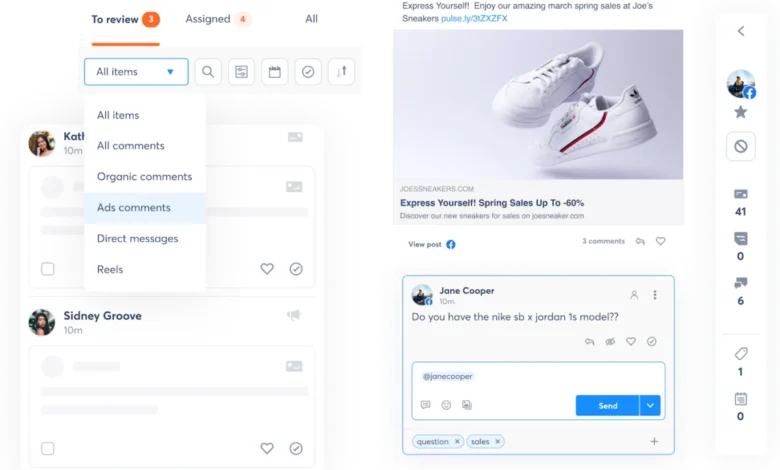
Social media is no longer merely a megaphone for broadcasting brand announcements; it has evolved into a two-way digital ecosystem where community interaction is the primary driver of brand loyalty. As platforms have matured, the volume of incoming direct messages (DMs), comments, and brand mentions has surged, creating a significant management hurdle for creators, small business owners, and global agencies alike. Recent industry data indicates that responding to audience interactions can increase engagement rates by anywhere from 5% to 42%, depending on the specific platform. Consequently, the ability to manage these conversations efficiently has become a critical operational requirement rather than an optional marketing activity.
The Evolution of Community Management
In the early days of social media, manual tracking of comments was feasible. However, with the fragmentation of platforms—ranging from legacy giants like Facebook and LinkedIn to emerging spaces like Bluesky and TikTok—the landscape has grown increasingly complex. Today, ignoring a customer inquiry or failing to moderate a toxic comment section can lead to rapid reputational damage.
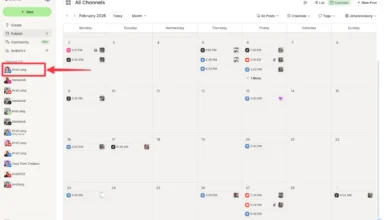
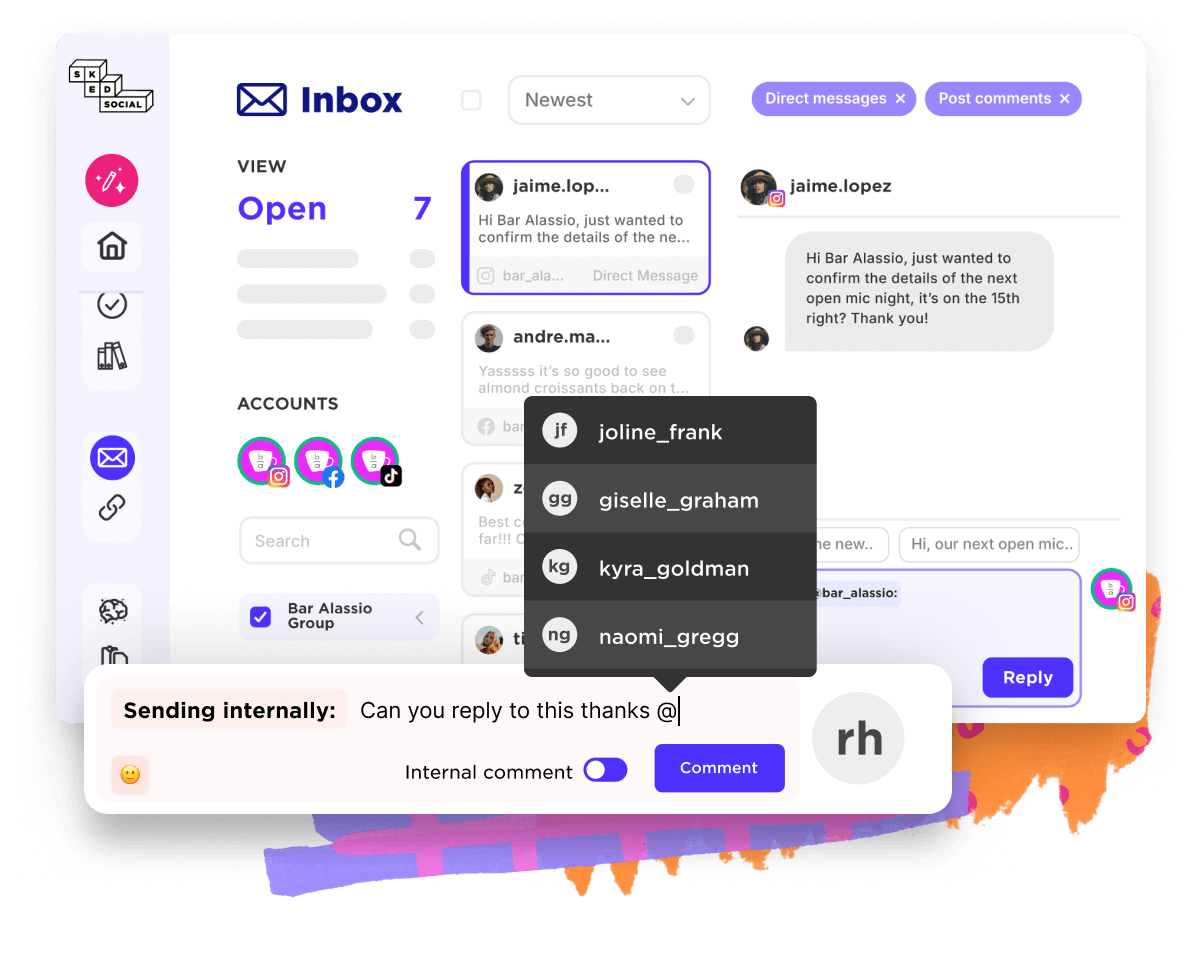
The shift toward "social customer care" has forced organizations to adopt dedicated engagement software. These tools, often referred to as community management platforms, serve as centralized command centers. By consolidating disparate notification streams into a single, unified inbox, these platforms allow teams to filter, prioritize, and respond to communications without the need to toggle between multiple mobile applications or browser tabs.
Comparative Analysis of Leading Engagement Platforms
Selecting the appropriate tool requires an assessment of organizational scale, budget, and platform focus. As of October 2026, the marketplace offers solutions ranging from free, ecosystem-specific tools to enterprise-grade suites with predictive AI capabilities.
All-in-One Solutions for Growth
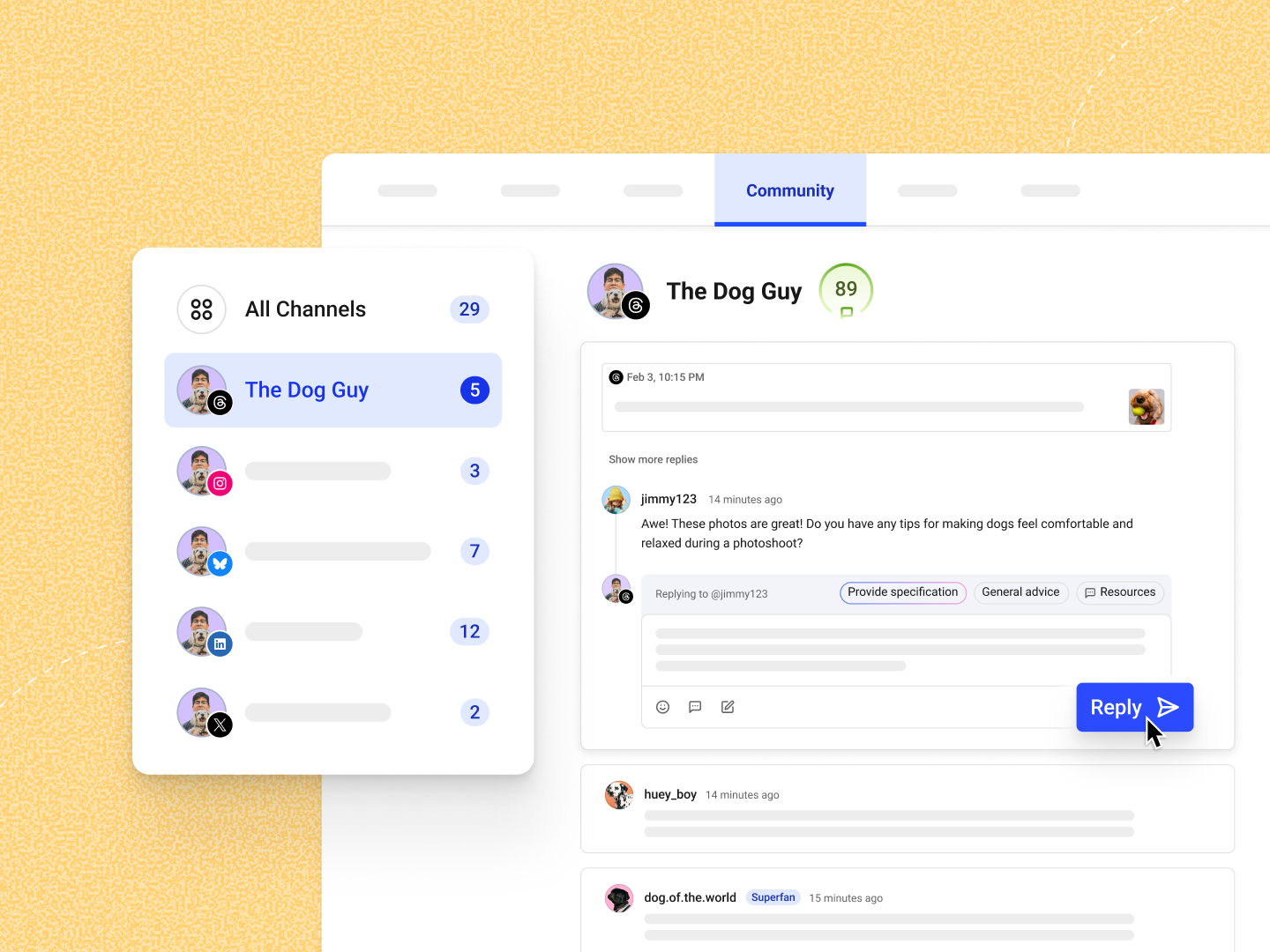
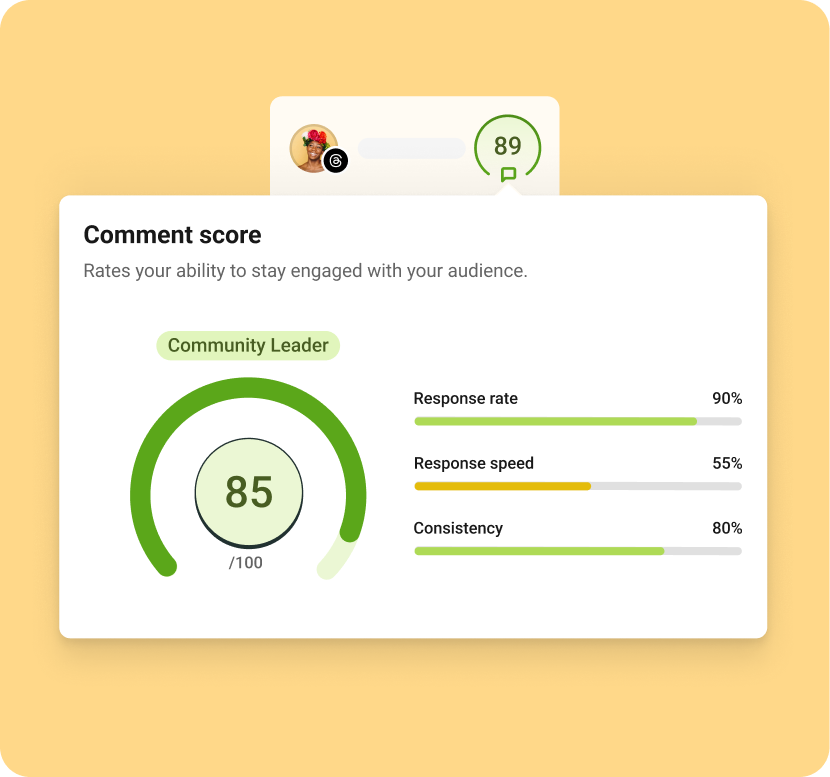
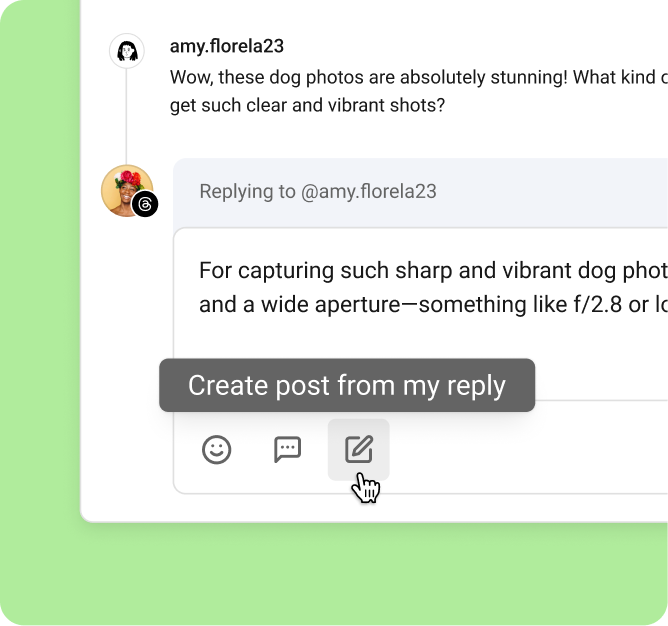
Buffer remains a primary choice for creators and small-to-medium enterprises (SMEs). Its "Community" dashboard provides a streamlined interface for monitoring ten distinct networks, including emerging platforms. Its focus on efficiency—offering AI-assisted reply suggestions and "comment scores" that track response consistency—helps users transform social media from an overwhelming chore into a structured daily routine.
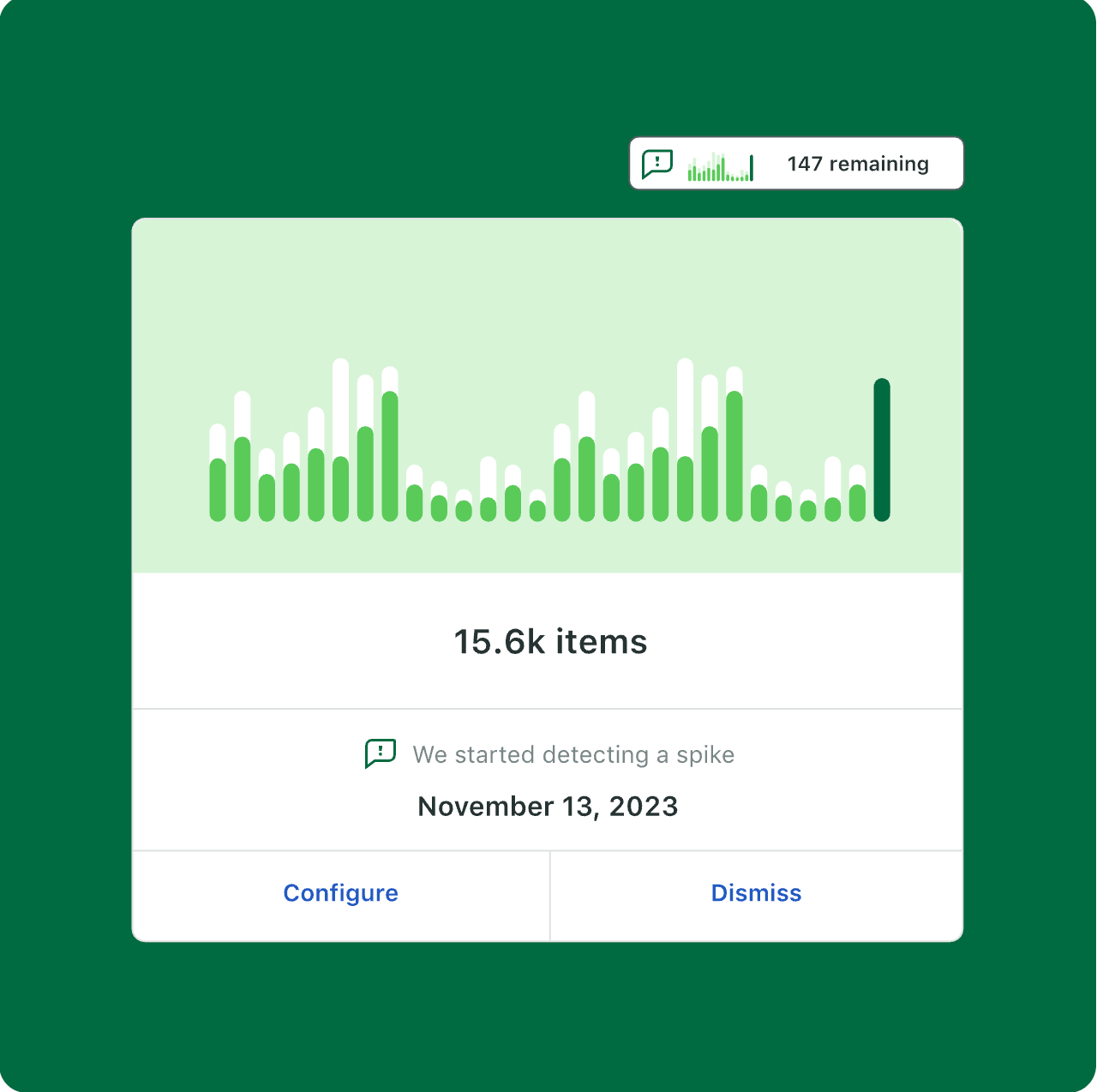
For larger corporations, Sprout Social offers a more robust, albeit costlier, infrastructure. Its standout feature is its real-time alert system, which monitors spikes in brand message volume. This functionality is essential for crisis management, as it allows communication teams to identify potential public relations issues before they escalate. Furthermore, its integration with CRM tools like Salesforce allows for a seamless transition from social interaction to formal customer support ticketing.
Specialized Automation and Moderation
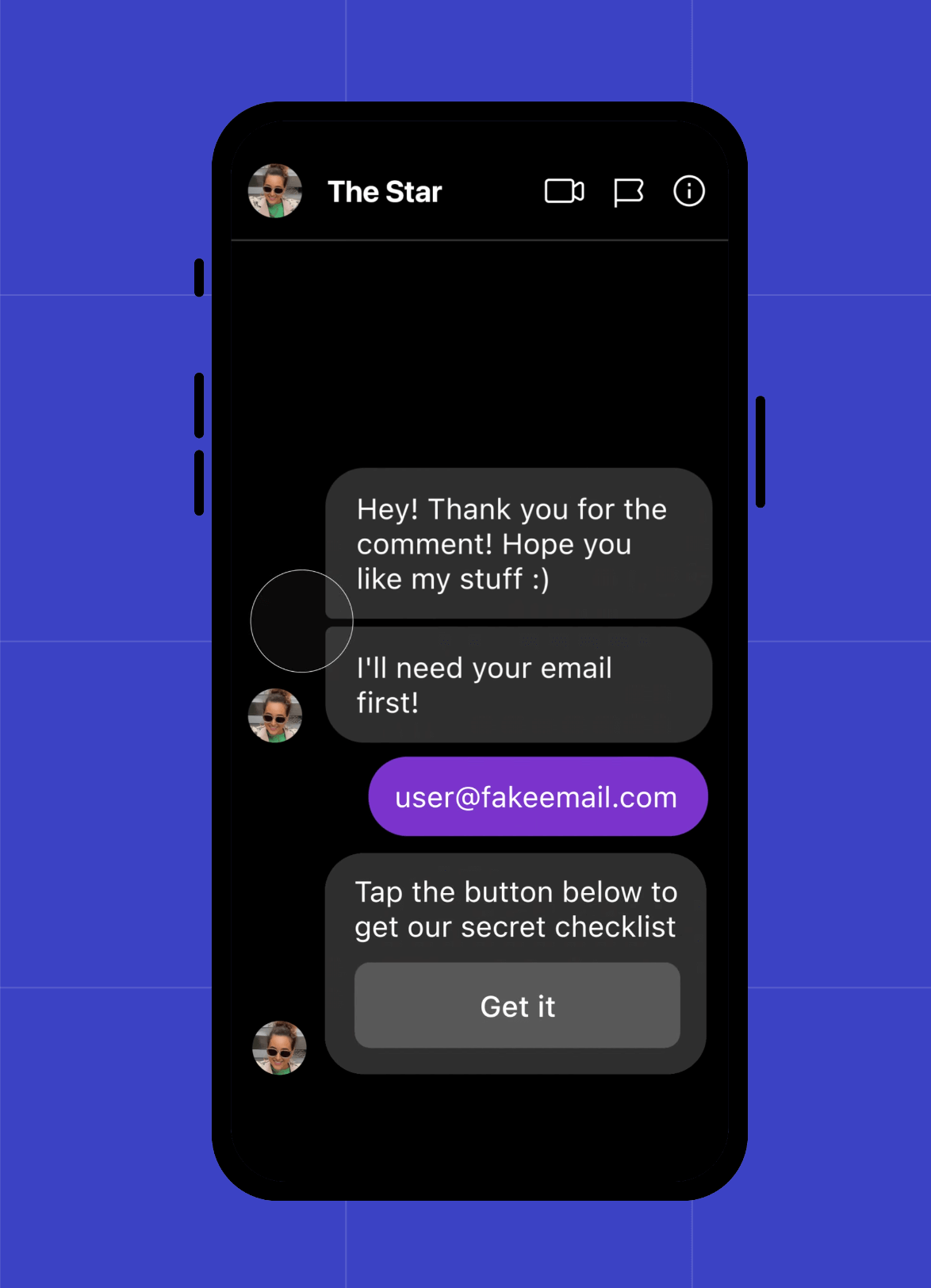
Not every brand requires a comprehensive suite. For those primarily concerned with funnel efficiency, Manychat offers advanced DM automation. By triggering responses based on specific keywords—such as users commenting a specific word to receive a resource—brands can automate lead generation and FAQ resolution 24/7.
Conversely, for brands facing high-volume comment sections prone to spam or offensive content, tools like CommentGuard and BrandBastion provide automated moderation. BrandBastion, in particular, utilizes AI trained across 109 languages to detect nuance, sarcasm, and context, ensuring that community standards are upheld even across international campaigns.
The Financial and Operational Landscape
Pricing structures in this sector are highly varied. While tools like Meta Business Suite offer a cost-effective, albeit limited, solution for businesses exclusively operating on Facebook and Instagram, professional agencies typically require the deeper analytics provided by platforms like Eclincher or Agorapulse.
| Tool | Primary Target | Pricing Entry Point |
|---|---|---|
| Buffer | Creators/SMEs | $6/channel/month |
| Sprout Social | Enterprises | $249/seat/month |
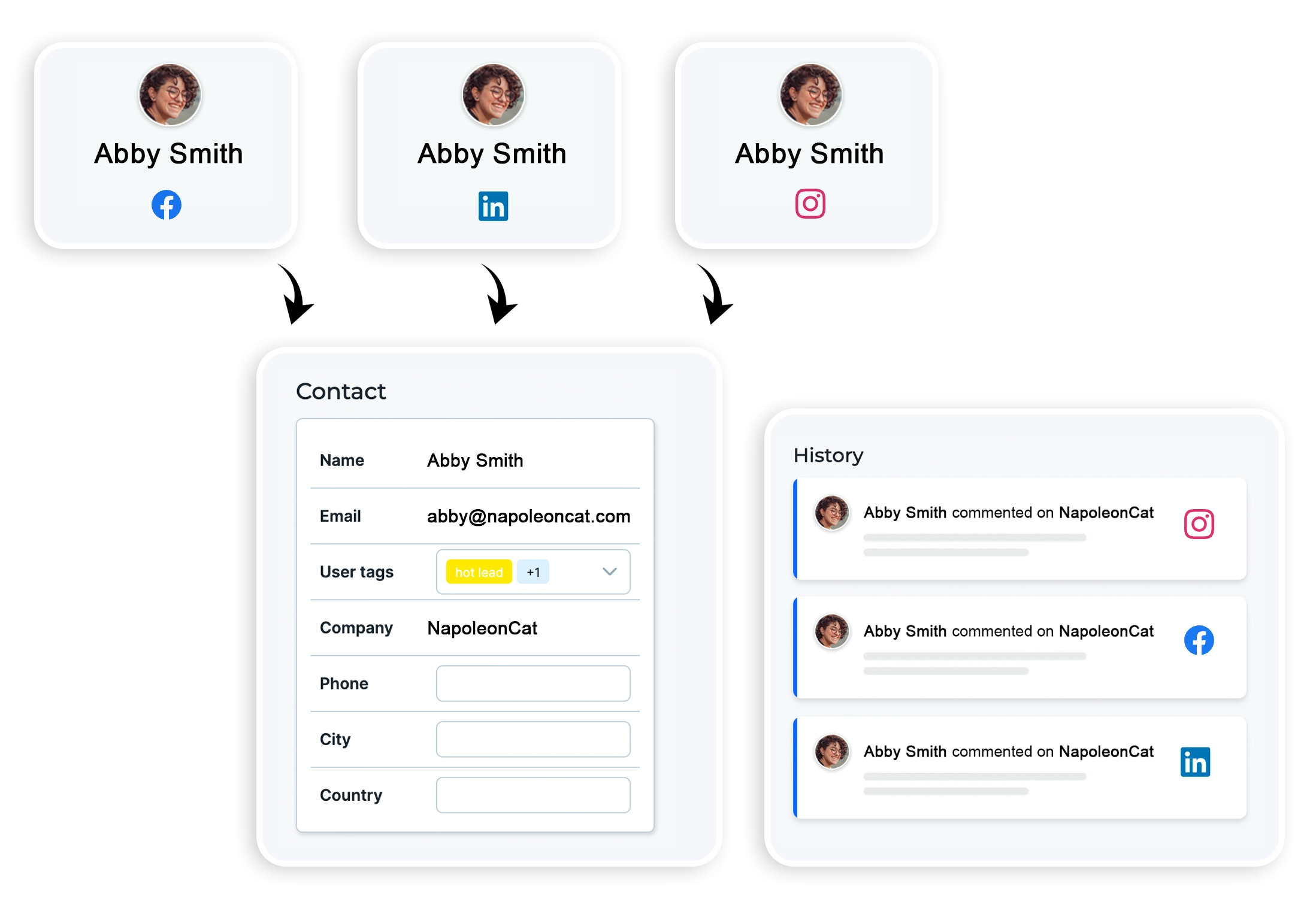
| NapoleonCat | Customer Service Teams | $109/month |
| Manychat | Automation Seekers | $17/month |
| Sked Social | Agency Workflows | $69/month |
| Agorapulse | Ad-Focused Brands | $99/user/month |
Strategic Implications for Businesses
The shift toward centralized engagement tools represents a broader move toward data-driven marketing. Organizations are increasingly using these tools not just for responding, but for "social listening"—the practice of analyzing comment sections to extract qualitative data.
Platforms like Siftsy are redefining the role of the comment section by treating it as a primary source of customer intelligence. By analyzing recurring themes, complaints, and requests, companies can identify product gaps or service failures before they manifest in formal feedback surveys. This proactive approach allows marketing teams to pivot their strategies in real-time based on the sentiment of their core audience.
The Role of Human-in-the-Loop AI
Despite the rise of AI-assisted drafting and automated moderation, industry experts emphasize the importance of a "human-in-the-loop" strategy. While AI can draft responses or filter profanity, the nuance of brand voice and the empathy required for sensitive customer service interactions remain human-centric domains.
The most successful teams are currently using software to handle the "heavy lifting"—the filtering of spam, the routing of messages to the correct department, and the initial classification of sentiment—while reserving human capital for high-value interactions that require brand building and emotional intelligence.
Implementation Guidelines
When evaluating these tools, organizations should follow a structured selection process:
- Audit Current Volume: Determine the volume of incoming messages across all active platforms to identify which channels require the most intensive management.
- Define Workflow Needs: Identify whether the priority is speed (via automation), quality (via team collaboration/approvals), or analysis (via reporting).
- Conduct Trial Periods: Most professional-grade tools offer 7-to-30-day trials. It is recommended to connect live, low-stakes accounts to these trials to evaluate the interface usability under real-world conditions.
- Assess Integration Capabilities: Ensure the chosen tool integrates with existing tech stacks, including email marketing software, CRMs, and internal project management tools.
Future Outlook
As social media platforms continue to introduce new formats—such as ephemeral content, live shopping, and decentralized networking—the demand for unified engagement tools will likely grow. The future of the industry points toward hyper-personalized, automated engagement where the software not only manages the inbox but proactively suggests content ideas based on the conversations taking place within it.
Ultimately, the best engagement tool is one that reconciles the tension between the need for speed and the desire for authentic human connection. As brands continue to compete for attention, those that successfully leverage technology to facilitate meaningful, timely, and organized conversations will be the ones to maintain long-term relevance in an increasingly noisy digital marketplace. By investing in the right infrastructure today, businesses can ensure that as their community grows, their ability to foster that community grows with it.