The Ultimate Guide to Securing and Maintaining Your Facebook Verification Badge in 2026

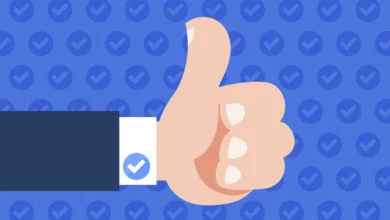
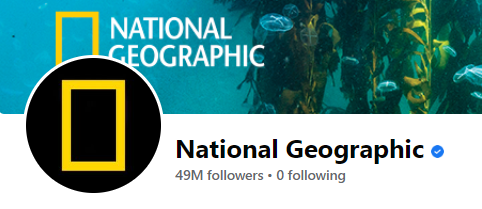
Securing a blue checkmark on Facebook has long been the gold standard for brands, public figures, and creators aiming to establish absolute digital authenticity. In an era where digital impersonation and sophisticated phishing scams routinely target high-profile accounts, the verification badge serves as an unambiguous signal to consumers that an entity is genuine. Beyond serving as a protective shield against fraudulent actors, obtaining this coveted symbol offers tangible operational benefits, including enhanced visibility within Facebook’s internal search algorithms and improved organic reach.
However, navigating the verification application process has historically been perceived as opaque and unpredictable. Meta, Facebook’s parent company, does not publicly disclose a fixed formula guaranteeing application approval, leaving many legitimate businesses and influencers uncertain about how to meet the platform’s stringent criteria. This comprehensive guide examines the historical evolution of Facebook’s verification system, outlines the step-by-step application protocol, provides actionable strategies to maximize approval odds, and details the rigorous maintenance practices required to retain the badge once it is awarded.
The Evolution of Facebook Verification: From Elite Status to Broad Accessibility
The concept of social media verification originated in 2013, when Facebook emulated early verification protocols established by platforms like Twitter. Initially, the blue checkmark was exclusively reserved for a narrow echelon of high-profile entities, including global celebrities, internationally recognized artists, politicians, and major media organizations. During this foundational period, the badge functioned primarily as an anti-impersonation tool for individuals who faced an elevated, constant risk of being copied by malicious third parties.

As the digital landscape matured and creator economies expanded, platform policies shifted significantly. By 2018, Facebook broadened its scope to encompass Pages managing substantial followings, acknowledging that commercial enterprises and community leaders equally required authenticity markers. Most recently, the criteria expanded further to accommodate individual personal profiles that achieve specific audience thresholds.
Throughout this evolution, Facebook has intentionally distinguished the verification badge from other platform accolades. Unlike top seller badges, community milestone icons, or top fan markers, which are dynamically awarded based on automated platform activity, the verification badge represents a manual, vetted confirmation of identity and public interest. Although early iterations of the verification ecosystem included gray checkmarks for local business locations and specialized Marketplace verifications, Meta eventually retired those programs to streamline the user experience, leaving the iconic blue checkmark as the universal standard for authenticated profiles and Pages.
The Step-by-Step Application Protocol
When an entity decides to apply for verification, the process begins directly within the platform’s interface. While the submission itself requires completing a single-page verification request form, meticulous preparation significantly influences the final review outcome.
Step 1: Selecting the Appropriate Account Category
Applicants must first log into their active Facebook account. The verification request interface automatically detects whether the user is attempting to verify an individual personal profile or an organizational Page. For profiles, applicants are required to supply the direct profile URL, while Pages are automatically linked through the administrator’s credentials.
Step 2: Establishing Unquestionable Authenticity
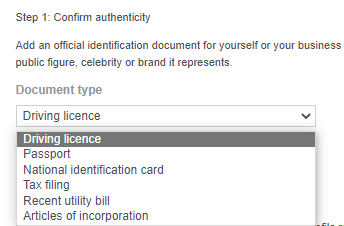
To prevent fraudulent applications and ensure that bad actors cannot manipulate the system, Facebook requires robust documentation confirming the applicant’s legal identity. For individual profiles, accepted documentation typically includes government-issued photo identification, such as a valid driver’s license, passport, or national identification card. For businesses and corporate entities, the platform requests official documentation that proves legal operation, such as a formation certificate, articles of incorporation, tax filing documents, or a utility bill matching the enterprise’s registered address. These documents must be digitally scanned and securely uploaded directly through the verification portal.
Step 3: Proving Notability and Public Interest
A critical component of the review involves proving notability. Facebook evaluates whether an account represents a prominent, highly searched entity that faces a genuine risk of impersonation. Applicants must designate the specific category their account falls under—such as news, entertainment, government, sports, or business—and specify the geographic regions where their audience is most heavily concentrated.
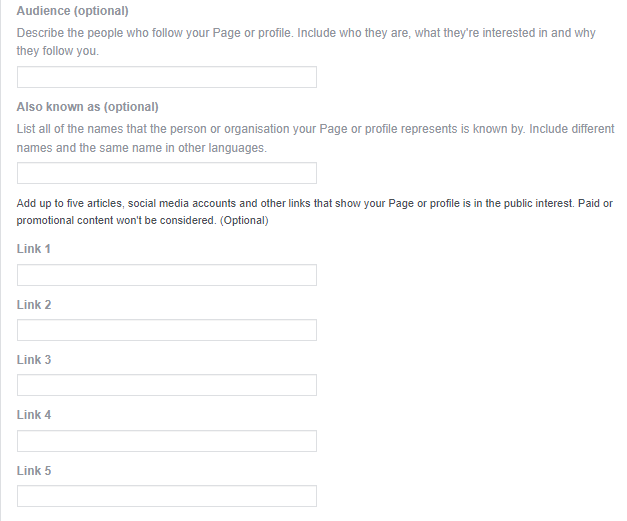
Furthermore, the application form features advanced fields where administrators can describe their target audience, explain user motivations for following the account, and list alternative brand names if the enterprise operates under different monikers in international markets. Finally, applicants must provide up to five independent web links. These links can point to established news coverage, Wikipedia entries, or external social media profiles that independently corroborate the brand’s public prominence. Meta explicitly excludes paid promotional content, native advertisements, or self-published press releases from consideration during this phase.
Step 4: The Review Window and Notification
Once the digital dossier is successfully transmitted, Meta’s internal review teams evaluate the submission. This review period typically spans anywhere from 48 hours to 45 days, depending on internal request volumes. Regardless of whether the application is approved or declined, Facebook communicates its final decision directly to the administrator via email.
Six Strategic Practices to Elevate Approval Probabilities
Because the verification criteria rely heavily on objective markers of digital footprint and credibility, applicants can proactively optimize their online presence long before submitting a formal request. Industry analysts and digital marketing experts emphasize six core strategies that consistently improve acceptance rates.
-
Maintain Pristine and Updated Business Information
Meta validators routinely cross-reference application data against publicly available web records. If a business page lists outdated contact phone numbers, obsolete physical addresses, or incorrect operational hours, the application is likely to be summarily rejected. Ensuring complete synchronization across all company details is an essential baseline requirement. -
Populate Comprehensive "About" Sections
An empty or sparse Page signals a lack of professional dedication. Administrators should fully populate every available field within the Facebook About section, including mission statements, founding dates, corporate histories, and verified contact channels. -
Uphold Rigorous Professional Standards
The aesthetic presentation and communicative tone of a Facebook property must mirror the real-world reputation of the brand. Publishing erratic, inflammatory, or low-quality content can undermine public credibility. Brands should audit their historical post archives through the objective lens of an external auditor, removing or editing any material that fails to meet professional standards. -
Establish Cross-Platform Web Properties and Backlinks
A verified Facebook presence rarely exists in a vacuum. Effective verification candidates maintain an authoritative official website that prominently features a direct link to their Facebook Page, while the Facebook Page simultaneously links back to the official web domain. This reciprocal digital referencing confirms organizational legitimacy.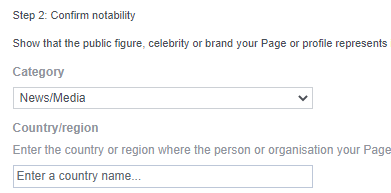
-
Utilize a Dedicated Facebook Business Page
While individual creators may utilize personal profiles, corporate entities and commercial brands must operate through a designated Facebook Business Page. Setting up a business page is free and provides access to advanced analytics, professional publishing tools, and standardized business verification pipelines. -
Cultivate an Active, Engaged Community
Notability is intrinsically tied to audience scale and engagement velocity. Brands that foster vibrant online communities through consistent organic publishing, responsive customer service, and strategic community management naturally build the public profile required to satisfy Meta’s strict notability thresholds.
Sustaining Verification Status: Ongoing Compliance and Security
Securing a blue checkmark is not a permanent, unalterable achievement. Meta maintains the explicit right to revoke a verification badge if an account violates platform regulations or fails to maintain the foundational conditions under which the badge was originally granted. Consequently, maintaining verified status requires ongoing administrative diligence.
Enabling Advanced Account Security Measures
Given the immense commercial value associated with a verified Facebook asset, malicious actors frequently attempt to hijack these accounts. To mitigate this risk, mandatory implementation of two-factor authentication (2FA) is critical. Utilizing secondary verification methods—such as authenticator apps or secure hardware security keys—significantly reduces the likelihood of unauthorized access.
Strict Compliance with Community Standards
Verified accounts are held to the same foundational rules governing illegal content and harassment as standard users, but they must also navigate stringent intellectual property and privacy guidelines. When sharing user-generated content or curated media to boost engagement, administrators must ensure absolute compliance with copyright laws and platform privacy frameworks to avoid administrative penalties.
Continuous Digital Marketing and Brand Stewardship
Because algorithmic and manual reviews continuously assess brand relevance, verified entities must maintain active, dynamic marketing strategies. Whether through organic publishing, community outreach, or targeted paid advertising, maintaining consistent audience interaction ensures that the account preserves the high level of public visibility and notoriety that justified its verification in the first place. By systematically aligning with Meta’s operational guidelines, brands and influencers can safely secure and permanently protect their digital authenticity.