The power of audio on short-form video platforms has fundamentally altered the landscape of digital marketing and content creation. As of November 2026, TikTok remains the primary driver of viral audio trends, dictating the cultural pulse for millions of users. For creators and businesses alike, leveraging these auditory cues is no longer merely a stylistic choice; it is a calculated algorithmic strategy. Research indicates that videos featuring trending audio tracks see a significantly higher retention rate, with data suggesting that users are 30% more likely to watch a video to completion if the sound is familiar or currently rising in popularity. This phenomenon is rooted in the "mere-exposure effect," a psychological principle where people tend to develop a preference for things merely because they are familiar with them.
The current TikTok algorithm heavily favors repeatability. When a specific sound gains traction, the platform’s recommendation engine, the For You Page (FYP), begins to test that audio across a wider demographic. If a user lingers on a video featuring a trending track, the algorithm interprets this engagement as a signal of interest, subsequently serving the user more content featuring that same audio. This cycle creates a compounding effect, where a sound that starts as a niche cultural moment can achieve global reach within days.
The Evolution of Viral Audio in 2026
The trajectory of viral sounds has evolved significantly throughout 2026. Earlier in the year, trends were largely driven by high-energy dance challenges. However, the latter half of the year has seen a shift toward narrative-driven, ironic, and relatable audio. This transition reflects a broader change in user behavior; audiences are now seeking content that mimics real-world social dynamics rather than highly polished, staged performances.
In October 2026, the platform experienced a surge in "spooky" and seasonal audio, coinciding with the Halloween period. Tracks such as the "Spooky, Scary Skeletons" remix dominated the landscape, providing a thematic backdrop for creators in the culinary, DIY, and lifestyle niches. As we transition into November, the focus has pivoted toward introspective, confession-style audio and comedic commentary on modern workplace and social frustrations.
Strategic Importance for Brands
For corporate entities and professional creators, the implications of these trends are substantial. TikTok’s Creative Center provides real-time analytics on sound performance, allowing marketers to identify trends before they reach saturation. However, a critical distinction remains for commercial accounts: the necessity of using the Commercial Music Library. Utilizing copyrighted music in a commercial capacity without a proper license can lead to immediate content removal or account penalties.
Industry analysts observe that brands achieving the highest ROI on TikTok are those that treat trending audio as a "remixable" asset. By adapting a popular sound—such as the current "And maybe it didn’t work out because" trend—to fit a specific brand voice, companies can humanize their presence while benefiting from the organic reach of the underlying trend.
Curated Trends for November 2026
Based on platform metrics and engagement levels as of mid-November 2026, the following sounds are currently defining the user experience:
1. Introspective Storytelling: "And maybe it didn’t work out because"
This audio, popularized by creator lifecanbebeautiful, serves as a vehicle for personal growth narratives. It is currently being utilized by career coaches and lifestyle influencers to reframe professional setbacks as necessary pivots. The structure involves a simple confession paired with a positive visual outcome, tapping into the audience’s appetite for vulnerability.
2. The Architecture of Impatience: "Go go go go"
Charles Hsu’s original sound has become the unofficial anthem for the "hustle culture" backlash. It is widely used to illustrate the friction between the frantic pace of modern life and the desire for stillness. This track has seen high engagement rates among the Gen Z and Millennial demographics.

3. Satirical Self-Reflection: "Oh no, I’m so cringe"
Drawing from South Park source material, this sound is the leading audio for self-deprecating humor. It allows creators to mock their own past behaviors or awkward social interactions, a format that has proven highly effective in building audience trust through authenticity.
4. The "Boy, Man, Kebab" Phenomenon
This trending audio segment is a prime example of the "vertical stack" video format. By layering three distinct reactions to a single stimulus, creators are able to demonstrate versatility and comedic timing. It is currently the top choice for creators within the entertainment and skit-comedy niches.
5. The Irony of Authority: "Why Would I Deceive You?"
Originating from a high-profile documentary trailer, this sound has been co-opted by the TikTok community as a shorthand for ironic deflection. Its use is particularly prevalent in "Day in the Life" videos where creators jokingly justify questionable life choices.
Methodologies for Trend Identification
To remain ahead of the curve, creators should employ a multi-faceted approach to trend research:
- TikTok Creative Center: This is the primary dashboard for identifying rising stars in the audio world. By filtering by region and time frame, users can view the velocity of a sound’s growth.
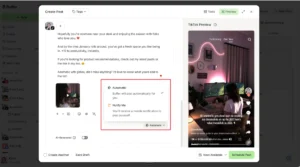
- The "Save" Strategy: Utilizing external management tools, such as Buffer’s "Create" space, allows creators to store sounds as they find them. This prevents the loss of creative momentum and ensures that content can be scheduled during peak traffic hours.
- Contextual Analysis: Before adopting a sound, it is imperative to tap the sound icon on TikTok to observe how it is being used in practice. Trends often carry specific sub-textual meanings; using a sound in a way that contradicts its established "culture" can lead to negative audience sentiment.
Broader Economic and Cultural Implications
The influence of TikTok audio on the broader music industry cannot be overstated. Songs that go viral on the platform frequently see a direct correlation with streaming numbers on platforms like Spotify and Apple Music. Record labels have increasingly shifted their marketing budgets to incentivize "TikTok-friendly" song structures—shorter, punchier, and designed for immediate loopability.

From a sociological perspective, these trends represent a "digital shorthand." Just as memes once provided a common language for internet users, these sounds now serve as a bridge between disparate communities. Whether it is a fitness creator using a "Bicep Heart" trend or a business account sharing a "Behind the Scenes" reveal through an "Actually…" carousel, the common denominator is the desire for communal participation in a shared digital moment.
Future Outlook and Best Practices
As we look toward the end of 2026, the trend cycle is accelerating. Audio that might have lasted three weeks earlier in the year now sees a lifespan of approximately seven to ten days before audience fatigue sets in. To maintain relevance, creators must prioritize agility.
Pro-tip for professional accounts: Always verify the licensing status of a sound within the TikTok Commercial Music Library. As of late 2026, the platform has tightened its enforcement of commercial copyright policies. Using "Personal Use" audio in advertisements is the most common cause of content suppression.
In summary, the key to mastering TikTok in late 2026 lies in the intersection of timely execution and creative adaptation. By bookmarking this guide and regularly auditing the Creative Center, creators can ensure their content remains part of the global conversation rather than an afterthought. As the platform continues to iterate its algorithm, the focus will likely remain on audio that sparks immediate, visceral reactions, cementing the role of sound as the most vital component of the short-form video ecosystem.