The Comprehensive Guide to Setting Up and Optimizing a Facebook Business Page for Maximum Growth

In the modern digital economy, establishing a robust online footprint is no longer optional for organizations aiming to capture consumer attention. With nearly two billion daily active users frequenting the platform, Facebook remains an indispensable cornerstone for commercial outreach, brand development, and direct consumer engagement. Recent statistics indicate that over 200 million enterprises globally leverage Facebook’s suite of free tools—most notably the Facebook Business Page—to cultivate brand awareness and drive targeted marketing campaigns. Whether an enterprise operates as a localized brick-and-mortar storefront or an expansive multinational e-commerce brand, a meticulously optimized page serves as the digital front door for prospective clients. This comprehensive guide outlines the systematic methodology required to construct, configure, and refine a Facebook Business Page, ensuring organizations maximize their return on investment (ROI) within an increasingly competitive digital ecosystem.
The Strategic Imperative of a Business Presence on Facebook
Before delving into the technical mechanics of page creation, it is vital to understand the strategic utility of the platform. Unlike a personal profile, which prioritizes individual networking, a Facebook Business Page is a publicly accessible profile tailored specifically for brands, non-profit organizations, public figures, and artists. These pages act as centralized digital hubs where entities can broadcast updates, showcase product catalogs, manage customer service inquiries, and integrate seamlessly with broader promotional infrastructures such as Facebook Ads Manager and Facebook Shops.
Industry analysts emphasize that consumer expectations have shifted dramatically; modern buyers routinely search for a company’s social media presence before validating its legitimacy. Consequently, omitting this channel can result in forfeited market share. The integration of messaging tools like WhatsApp directly into business pages further bridges the gap between casual browsing and transactional conversion, streamlining the customer journey from discovery to purchase.
Phase One: Establishing the Foundation and Initial Setup
The creation of a Facebook Business Page requires an underlying personal Facebook account. This architectural requirement stems from platform security protocols, which dictate that every page must be governed by one or more administrative users. However, administrators can rest assured that personal profile information remains entirely sequestered and invisible to the public visiting the business page.
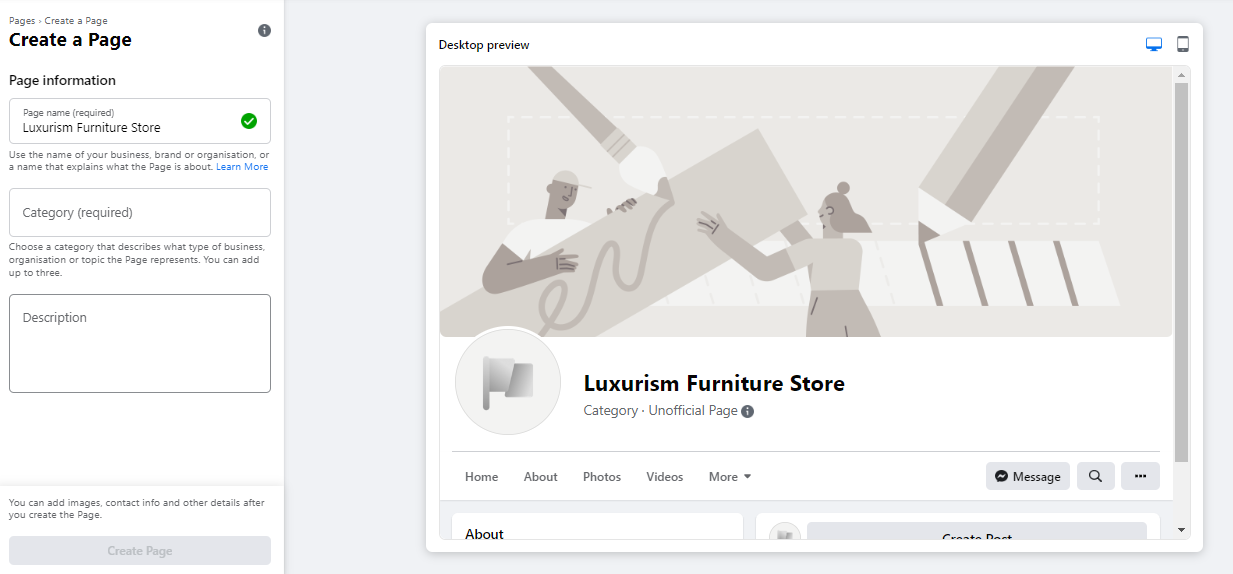
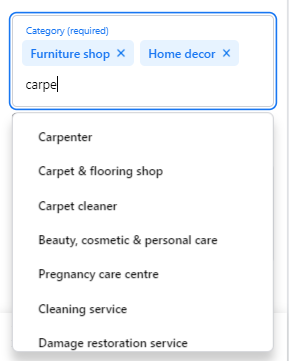
To initiate the setup process, administrators navigate to the designated page creation portal. The initial interface prompts users to input foundational enterprise data, including the Page Name, category selection, and a concise business description. Strategic selection of the Page Name is critical; it should mirror the official enterprise title or utilize terms prospective customers are likely to type into search engines. Similarly, selecting up to three precise categories ensures that Facebook’s internal algorithms index the enterprise correctly for relevant local and global searches. The description field, capped at 255 characters, demands precision, offering a succinct elevator pitch that immediately clarifies the organization’s core value proposition.

Once the initial parameters are established, visual branding takes center stage. High-resolution imagery significantly influences consumer perception and trust. The profile picture—rendered at an optimal 180 by 180 pixels—should feature the company logo, a recognizable headshot for public figures, or a signature product for small businesses. Because Facebook crops this image into a circle, careful framing is essential to prevent critical brand elements from being obscured in the corners. Following this, the cover photo (recommended at 1640 by 856 pixels) acts as a dynamic billboard, conveying brand personality, core offerings, or seasonal campaigns at a glance. Platform tools allow administrators to toggle between desktop and mobile previews, ensuring responsive visual fidelity across all hardware devices.
Refining Infrastructure: Usernames, Contact Channels, and About Sections

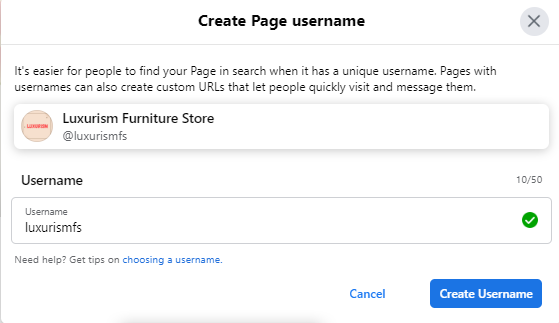
Following visual optimization, administrators must establish a vanity URL, commonly referred to as a username. Capped at 50 characters, this unique identifier dictates the precise web address where users can locate the page, such as facebook.com/YourBusinessName. Selecting a concise, memorable username expedites word-of-mouth marketing and simplifies cross-platform promotion.
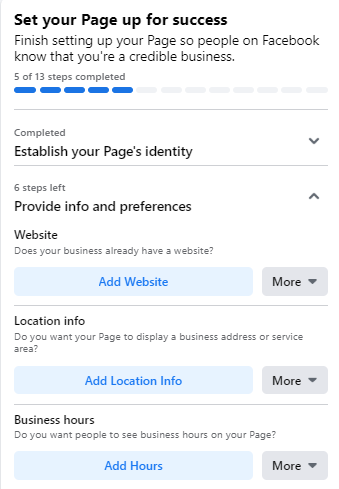
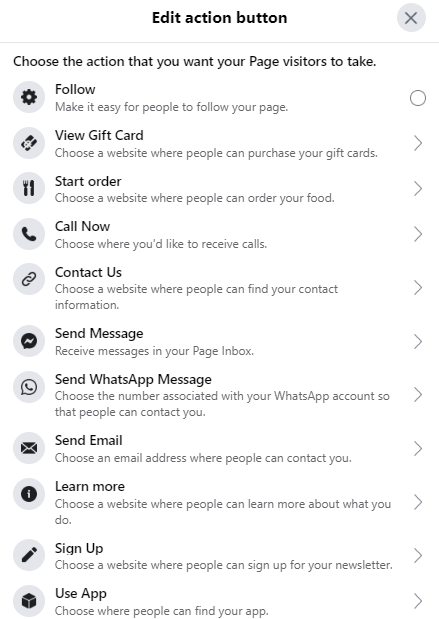
Concurrently, completing the "About" section is a vital procedural step that prevents prospective leads from abandoning the profile. Industry data consistently shows that modern consumers demand transparency; missing physical addresses, ambiguous operating hours, or absent customer service telephone numbers frequently drive potential buyers toward competing brands. Furthermore, integrating a Call-to-Action (CTA) button—such as "Book Now," "Shop Online," or "Send Message"—directly aligns the page interface with specific commercial objectives, transforming passive observers into active participants.
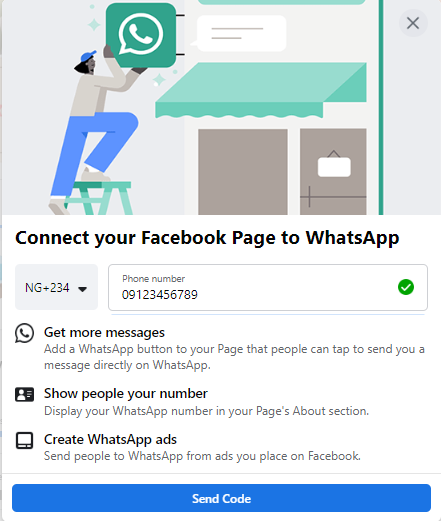
For organizations seeking advanced communication channels, linking the business page to WhatsApp offers a direct pipeline for customer inquiries. This integration not only facilitates instant messaging but also unlocks advanced advertising capabilities, allowing enterprises to route ad traffic directly into private chat environments where conversion rates are often significantly higher.
Content Strategy and Audience Acquisition
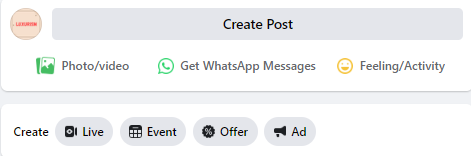
A newly minted page devoid of content yields little strategic value. Therefore, before launching public invitations to like and follow the profile, administrators must populate the feed with valuable, relevant material. This foundational content library can include original thought-leadership posts, curated industry insights, company milestones, or structured announcements regarding upcoming events and job openings. Each post should be carefully evaluated against a singular metric: does it provide tangible value to the target audience?
Once a robust content foundation is secured, audience acquisition can commence systematically. Initial outreach typically begins within the administrator’s immediate network by inviting existing personal connections to endorse the page. Beyond internal networks, cross-channel promotion is paramount. Integrating social follow badges into corporate email signatures, embedding links within external blog posts, and promoting the page across secondary social networks like LinkedIn or X (formerly Twitter) accelerates organic growth. Furthermore, encouraging satisfied customers to leave authentic reviews on the business page establishes vital social proof, reassuring prospective buyers of the organization’s reliability and service quality.
Phase Two: Advanced Optimization and Analytical Oversight
Creating a page is merely the preliminary step; long-term viability requires continuous optimization tailored to shifting consumer behaviors and platform algorithms.
Leveraging Facebook Page Insights
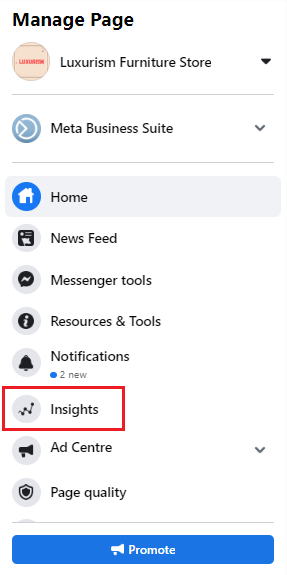
Data-driven decision-making separates high-performing enterprises from stagnant ones. Facebook Page Insights provides a granular dashboard detailing user demographics, engagement metrics, and content reach. By analyzing which posts generate the highest volume of comments, shares, and reactions, marketing teams can refine their content calendars to focus exclusively on resonant topics. Moreover, Insights tracks specific user actions, such as clicks on website URLs, CTA buttons, or contact details, segmented by age, gender, geographic location, and device type. This empirical feedback loop enables organizations to allocate advertising budgets efficiently and tailor messaging to specific buyer personas.
Strategic Content Positioning: Pinned Posts and Templates
To ensure critical announcements—such as product launches, seasonal promotions, or major corporate events—receive maximum visibility, administrators utilize the "pinned post" feature. By anchoring a high-converting post to the top of the timeline, enterprises guarantee that every visitor encounters their most pressing message immediately upon arrival.

Additionally, optimizing page architecture through Facebook’s pre-designed templates and customizable tabs ensures that the interface matches industry-specific requirements. For instance, a hospitality business may prioritize booking and review tabs, whereas an educational institution might emphasize events and group integrations.
Community Building and Cross-Network Collaboration
True to its foundational philosophy, social media thrives on interconnected communities. Progressive brands enhance their digital footprint by actively liking and following non-competing industry peers, local community partners, and complementary service providers "as their page." This digital networking fosters reciprocal engagement, alerting peer organizations to your presence and often prompting cross-pollination of audiences.
Furthermore, engaging within Facebook Groups as a brand representative establishes authoritative thought leadership. By contributing helpful, non-promotional expertise to niche discussions, enterprises can organically attract interested prospects back to their primary business page.
Implications and Broader Market Analysis
The widespread adoption of social media commercial tools underscores a broader paradigm shift in global commerce: the democratization of digital marketing. Historically, sophisticated consumer outreach, analytics tracking, and direct-to-consumer sales funnels were reserved for corporations with massive advertising budgets. Today, robust platforms like Facebook lower the barrier to entry, empowering small and medium-sized enterprises (SMEs) to compete on a global scale.
However, this saturation brings distinct challenges. As millions of enterprises vie for consumer attention within a finite digital space, organic reach has become increasingly competitive. Consequently, foundational optimization—spanning accurate metadata, high-fidelity visual branding, rigorous data analysis via Insights, and strategic cross-platform integration—is no longer a secondary administrative task. It is a core operational necessity. Enterprises that master the structural nuances of social media infrastructure are demonstrably better positioned to withstand economic fluctuations, cultivate brand loyalty, and achieve sustainable commercial growth in the twenty-first century.