Mastering Instagram Caption Strategy: A Comprehensive Guide to Enhancing Brand Engagement and Conversion in the Visual Era


While Instagram remains a visually driven platform where high-quality photography and short-form video content serve as the primary bait for user attention, the role of the caption has evolved from a mere description to a critical driver of algorithmic performance and brand loyalty. In the current social media landscape, a post’s visual element may stop the scroll, but it is the caption that sustains the interaction, provides essential context, and directs the user toward a measurable business outcome. As competition for reach intensifies due to shifting algorithms, brands must treat every character of their 2,200-character limit as valuable real estate for storytelling, community building, and search engine optimization.

The functional definition of an Instagram caption is the text-based description that accompanies a photo, video, or Reel. Beyond simple text, these captions integrate hashtags, emojis, and mentions to create a multi-dimensional piece of content. Although Instagram famously restricts clickable links within these captions—reserving them for the "link in bio," Instagram Stories, or paid advertisements—the text remains the primary vehicle for delivering a brand’s voice and a clear call to action (CTA).
The Evolution of the Instagram Algorithm and the Role of Text
To understand why captions have become so vital, one must look at the evolution of the Instagram algorithm. In the platform’s early years, chronological feeds meant that visibility was primarily a matter of timing. However, the modern algorithm prioritizes "meaningful social interactions." This includes the time spent viewing a post (dwell time), the number of comments, and the frequency of shares and saves.

Captions directly influence these metrics. A compelling narrative or an informative "micro-blog" style caption encourages users to stay on the post longer, signaling to the algorithm that the content is high-value. Furthermore, Instagram has increasingly moved toward interest-based search. By incorporating relevant keywords into captions—similar to traditional SEO—brands can now appear in the "Explore" pages and search results of users who do not yet follow them, effectively turning captions into a discovery tool.
Technical Parameters and Best Practices for 2024
Understanding the technical constraints of the platform is the first step toward optimization. Instagram allows for a maximum of 2,200 characters and up to 30 hashtags per post. However, the most critical constraint is the "truncation point." In a user’s feed, Instagram cuts off the caption after the first 125 characters, requiring the user to tap "more" to see the rest.

This technical reality necessitates a "front-loading" strategy. Brands must place their most important information, their unique value proposition, or a "hook" within those first two lines. If the opening doesn’t pique interest, the remaining 2,000+ characters will likely go unread. Industry data from social media management platforms like Hootsuite suggests that while short captions (under 20 characters) can be effective for high-impact visuals, "long-form" captions between 400 and 700 characters often see the highest engagement rates because they provide enough depth to foster a connection.
Strategic Frameworks for Crafting the Perfect Caption
Writing an effective caption requires a blend of psychology, copywriting, and data analysis. Professional social media managers typically utilize several frameworks to ensure consistency and impact:
1. The Value-Driven Hook
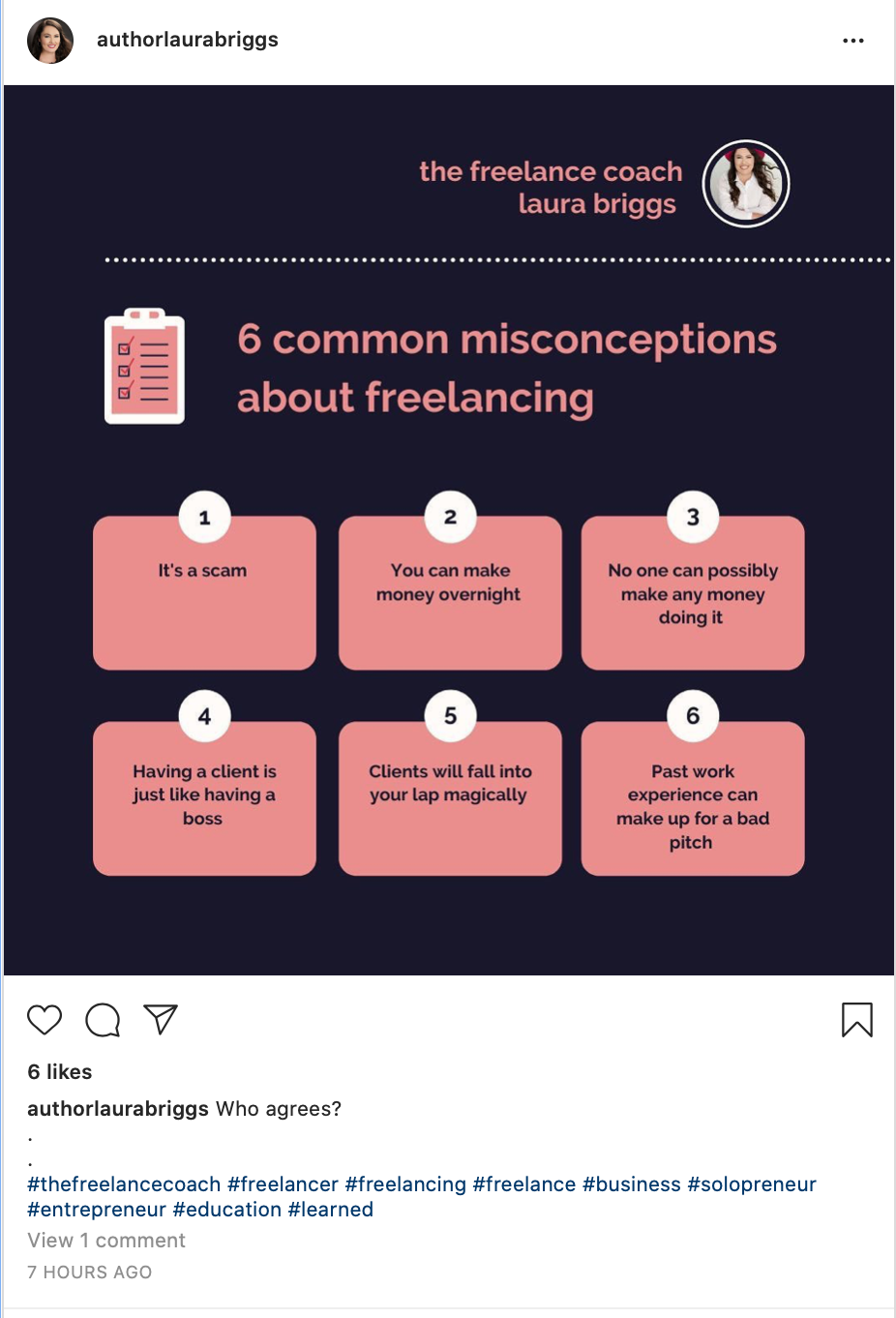
The first sentence must offer immediate value. This could be a provocative question, a surprising statistic, or a relatable pain point. For example, instead of starting with "We have a new blog post," a brand might start with "90% of small businesses miss this one crucial SEO step." By identifying a problem or offering a solution immediately, the brand earns the right to the user’s further attention.
2. Storytelling and Relatability
In an era of "aesthetic fatigue," users are increasingly drawn to authenticity. Captions that tell a story—whether it’s the "behind-the-scenes" of a product launch, a founder’s journey, or a customer success story—humanize the brand. Storytelling shifts the relationship from a transactional one (seller and buyer) to a relational one (community and member).
3. Strategic Use of Pop Culture and Trends
Integrating pop culture references or seasonal clichés can make a brand feel current and relatable. References to trending music, "internet speak," or seasonal milestones (like "sweater weather" or "main character energy") signal that a brand is plugged into the cultural zeitgeist. However, this must be done authentically; forced use of slang can alienate an older audience or make the brand appear "out of touch."
The Science of Hashtags and Discoverability
Hashtags remain a cornerstone of Instagram’s architecture, though their application has become more nuanced. Rather than using the most popular hashtags (like #love or #fashion), which have millions of posts and offer little chance of standing out, experts recommend a "tiered" hashtag strategy:
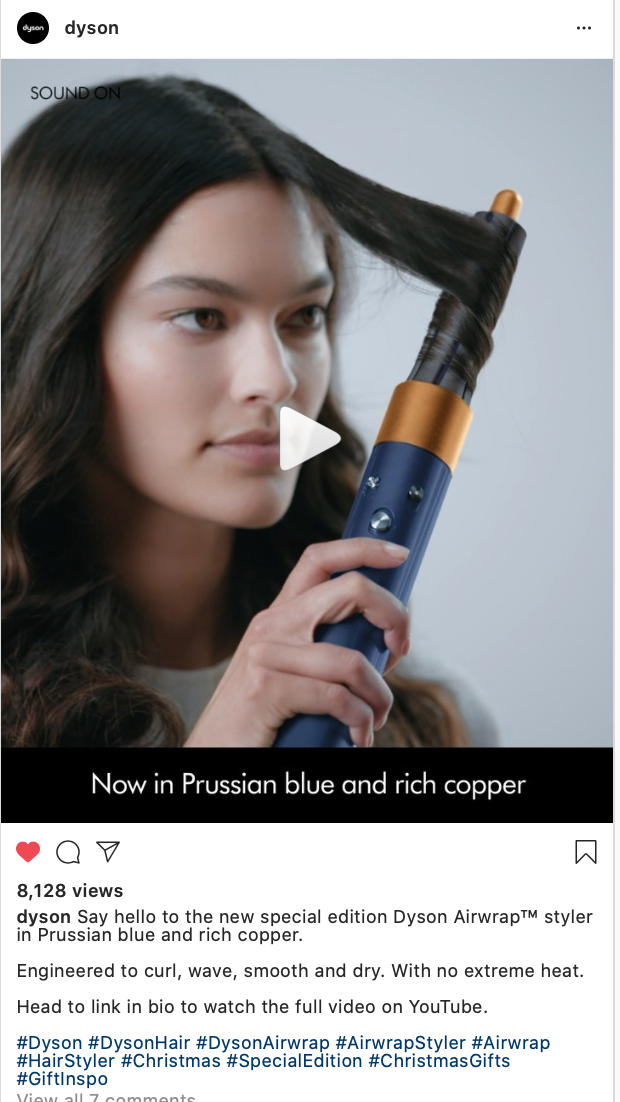
- Branded Hashtags: Unique to the company (e.g., #DysonHair).
- Industry Hashtags: Specific to the niche (e.g., #SustainableSkincare).
- Community Hashtags: Used by the target audience (e.g., #MomLife).
- Location Hashtags: For brick-and-mortar or regional relevance (e.g., #NYCStyle).
Diversifying these tags prevents the algorithm from flagging the content as repetitive and expands the potential reach across various user interests.
Driving Action: The Call to Action (CTA)
The ultimate goal of most brand content is to move the user further down the sales funnel. Since links are not clickable in captions, the CTA must be creative and clear. Effective CTAs on Instagram usually fall into two categories:

Engagement CTAs: These are designed to boost the post’s reach within the algorithm.
- "Double tap if you agree!"
- "Tag a friend who needs to see this."
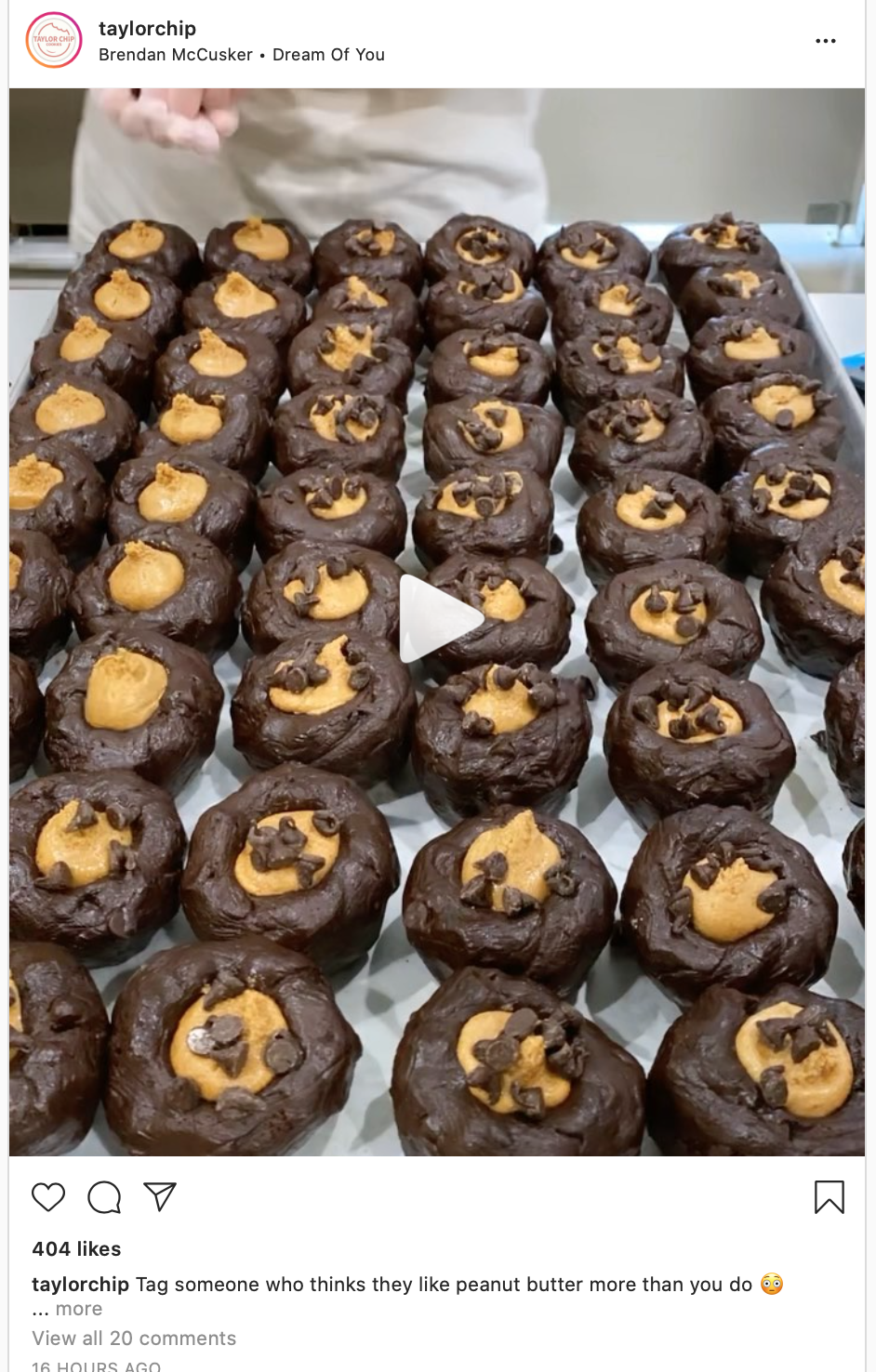
- "Drop a ‘🔥’ in the comments if you’re ready for the weekend."
Conversion CTAs: These move the user toward a purchase or a lead-generation event.

- "Click the link in our bio to shop the collection."
- "DM us the word ‘READY’ to get our free guide."
- "Save this post for your next grocery trip."
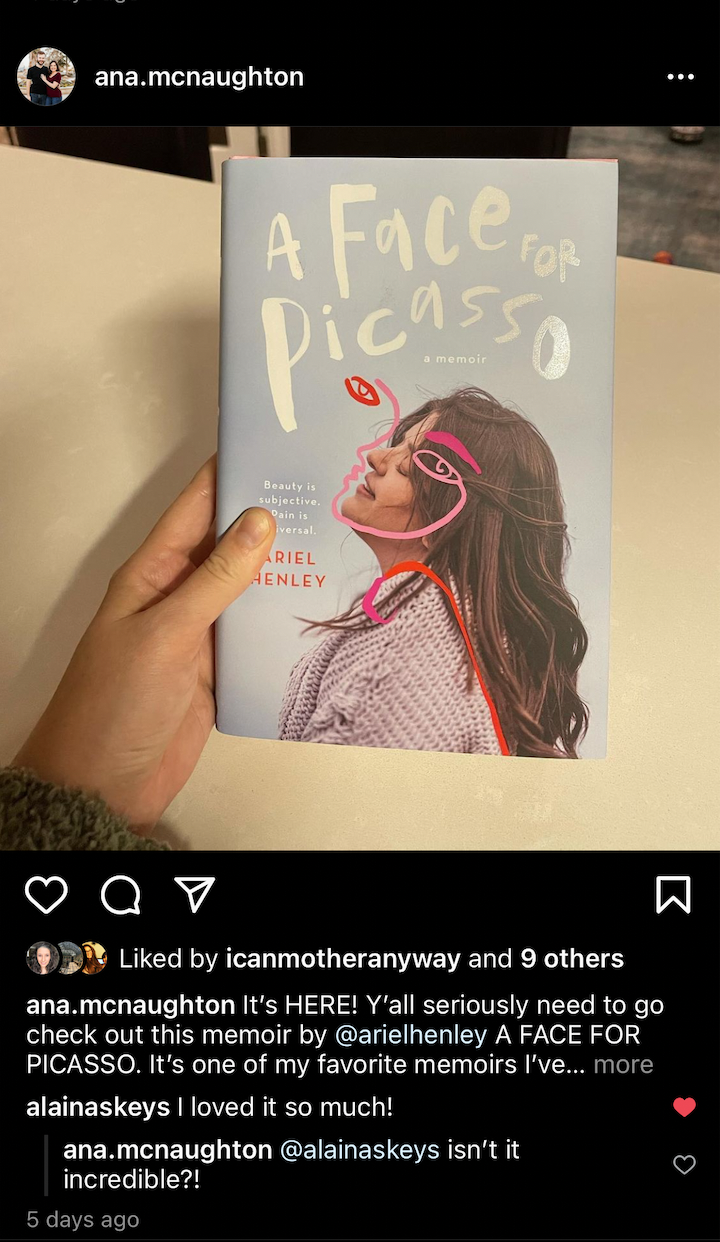
A post without a CTA is a missed opportunity. Even if the goal is simple brand awareness, asking a question encourages comments, which in turn signals to Instagram that the content is worth showing to more people.
Formatting for Readability
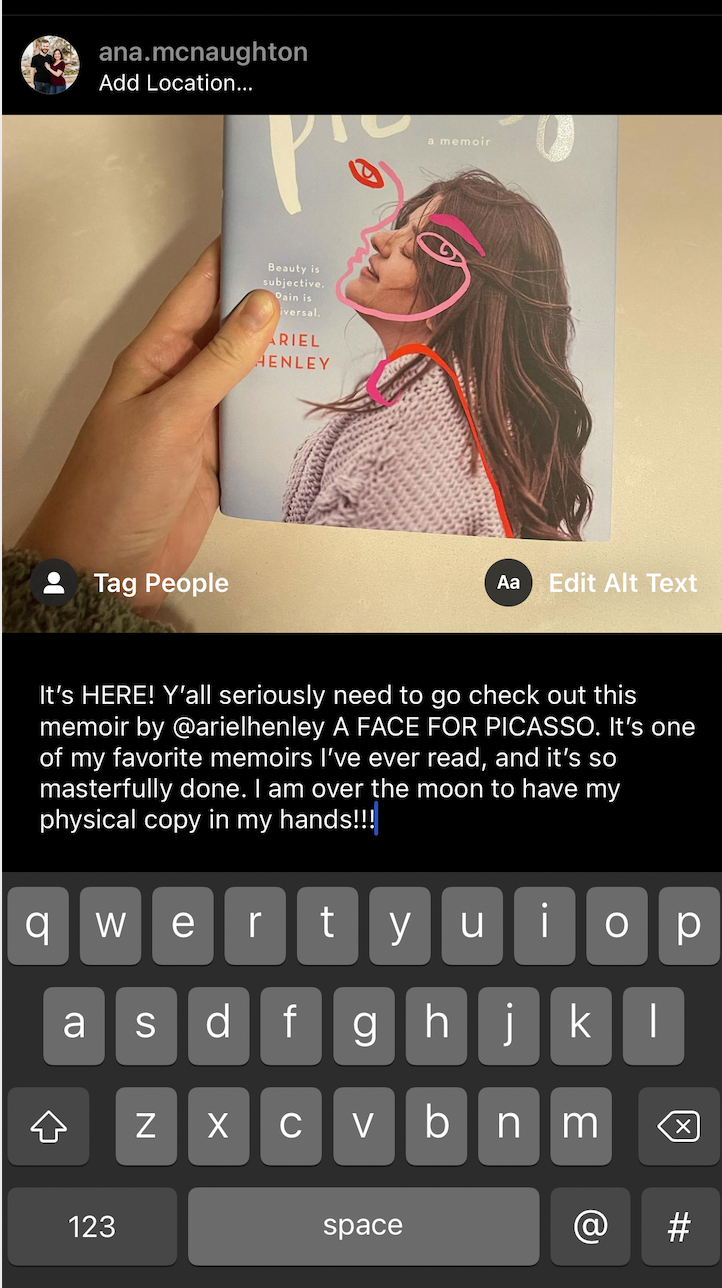
In the mobile-first environment of Instagram, "wall-of-text" captions are a deterrent. Formatting is essential for maintaining user interest.
- Line Breaks: Use the "return" key to create white space between paragraphs. This makes long-form content digestible.
- Emojis as Bullet Points: Emojis can act as visual anchors, guiding the eye through a list of features or steps.
- Font Variations: While Instagram doesn’t natively support bold or italic text in captions, third-party tools can generate Unicode characters that appear as different fonts. Used sparingly, these can highlight key phrases or headers, though brands should be mindful of accessibility, as screen readers for the visually impaired may struggle with these characters.
Case Studies and Industry Analysis
The effectiveness of these strategies is reflected in the performance of major brands. For instance, the grocery delivery service Misfits Market often uses its captions to simplify complex topics like food waste or seasonal cooking. By starting with a simple value proposition—"Our favorite fall recipes also happen to be the simplest"—they lower the barrier to entry for the user.
Similarly, tech brands like Dyson use a mix of branded and seasonal hashtags (#GiftInspo, #Airwrap) to capture both intentional searchers and casual browsers during the holiday season. Data indicates that posts utilizing a mix of educational content and clear CTAs see a 20-30% higher "save" rate than purely promotional posts. Saves are a "high-intent" metric, suggesting that the user finds the caption valuable enough to return to later.
The Role of Artificial Intelligence in Caption Generation
As we move through 2024, the integration of Generative AI (like ChatGPT or Jasper) into social media workflows has become standard. These tools can help overcome "writer’s block" by generating dozens of caption variations based on a specific tone or set of keywords. However, the most successful brands use AI as a starting point rather than a final product. The "human touch"—adding specific brand voice nuances, correcting for cultural context, and ensuring the CTA aligns with current business goals—remains irreplaceable.
Chronology of a Successful Post Launch
To maximize the impact of an Instagram caption, the following workflow is recommended:

- Drafting: Write the caption with the "hook" first. Ensure the brand voice is consistent.
- Formatting: Add line breaks and emojis to improve mobile readability.
- Hashtag Research: Select 5-10 highly relevant, tiered hashtags.
- Review: Check for "dead ends." Does the caption lead the user somewhere?
- Monitoring: Once posted, engage with the first few comments. This "boosts" the post during its critical first hour of life.
- Analysis: Use Instagram Insights to see which caption styles (short vs. long, question vs. statement) result in the most website clicks or saves.
Conclusion: The Strategic Imperative
In the competitive landscape of digital marketing, an Instagram caption is far more than an afterthought. It is a strategic tool that bridges the gap between a fleeting visual impression and a lasting brand relationship. By focusing on strong hooks, relatable storytelling, strategic formatting, and clear calls to action, brands can transform their Instagram presence from a static gallery into a dynamic, conversion-driving community. As the platform continues to lean into search and discovery, the quality of the written word will remain a primary differentiator for brands looking to scale their impact in the visual era.