The final quarter of 2022 marked a period of intensive transformation and restructuring for Meta Platforms, as the technology conglomerate navigated a shifting macroeconomic landscape, evolving privacy regulations, and intensifying competition within the social media sector. Throughout the fourth quarter and the broader span of 2022, Meta deployed a wide array of new features, advertising tools, and governance policies across its core ecosystem, encompassing Facebook, Instagram, Messenger, and WhatsApp. These developments reflect a strategic pivot toward advanced automation, short-form video optimization via Reels, and enhanced brand safety measures designed to reassure advertisers and regulatory bodies alike.
This comprehensive overview examines the chronological evolution of Meta’s platform updates throughout 2022, detailing the technical, operational, and financial implications for businesses, content creators, and digital marketers entering 2023.
Evolution of Meta’s Advertising Architecture and the Advantage+ Suite
Throughout 2022, Meta aggressively consolidated and expanded its automated advertising capabilities under the umbrella of the Meta Advantage suite. This strategic initiative leverages machine learning algorithms to reduce manual campaign setup burdens while optimizing performance metrics for advertisers facing signal loss resulting from Apple’s AppTracking Transparency (ATT) framework, which rolled out extensively in 2021 and continued to impact attribution models throughout 2022.
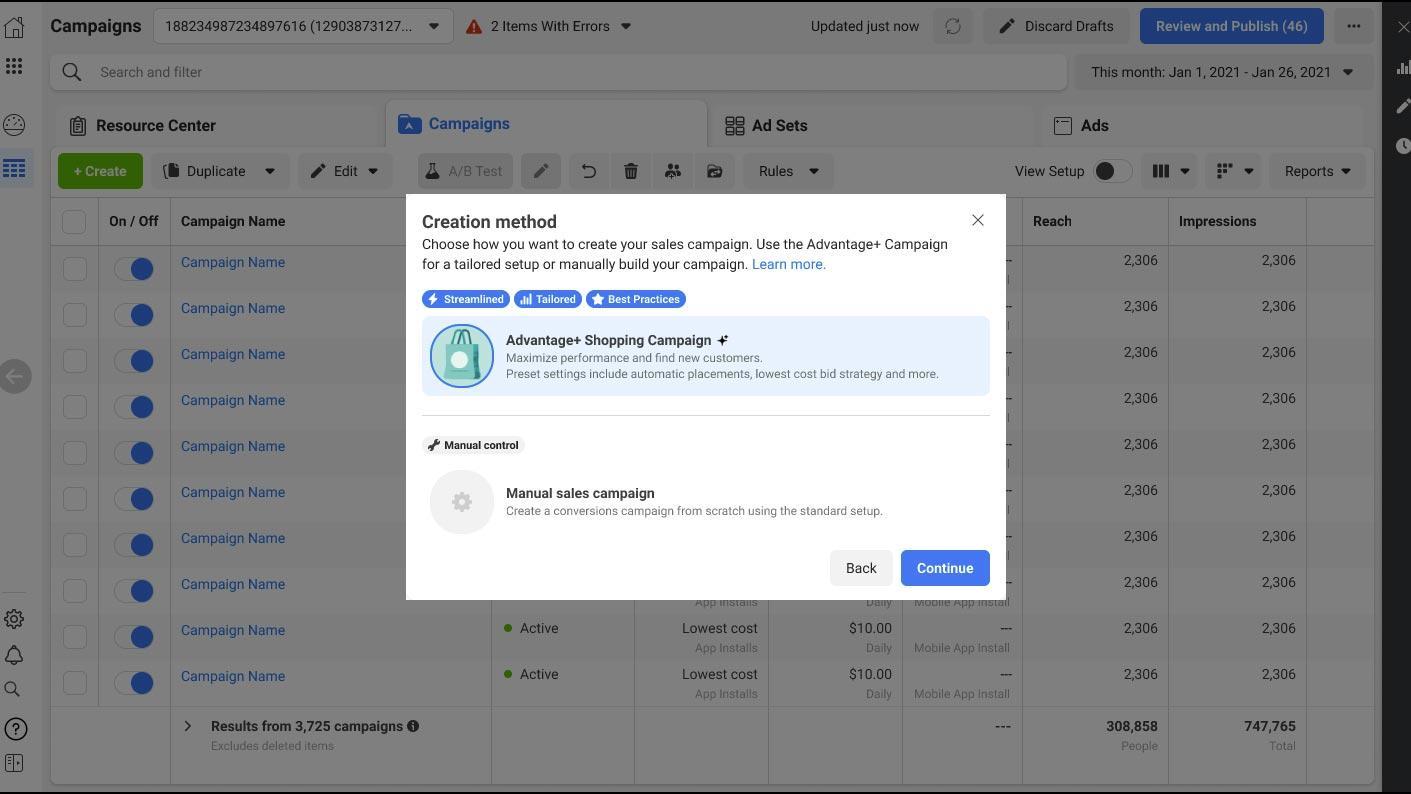
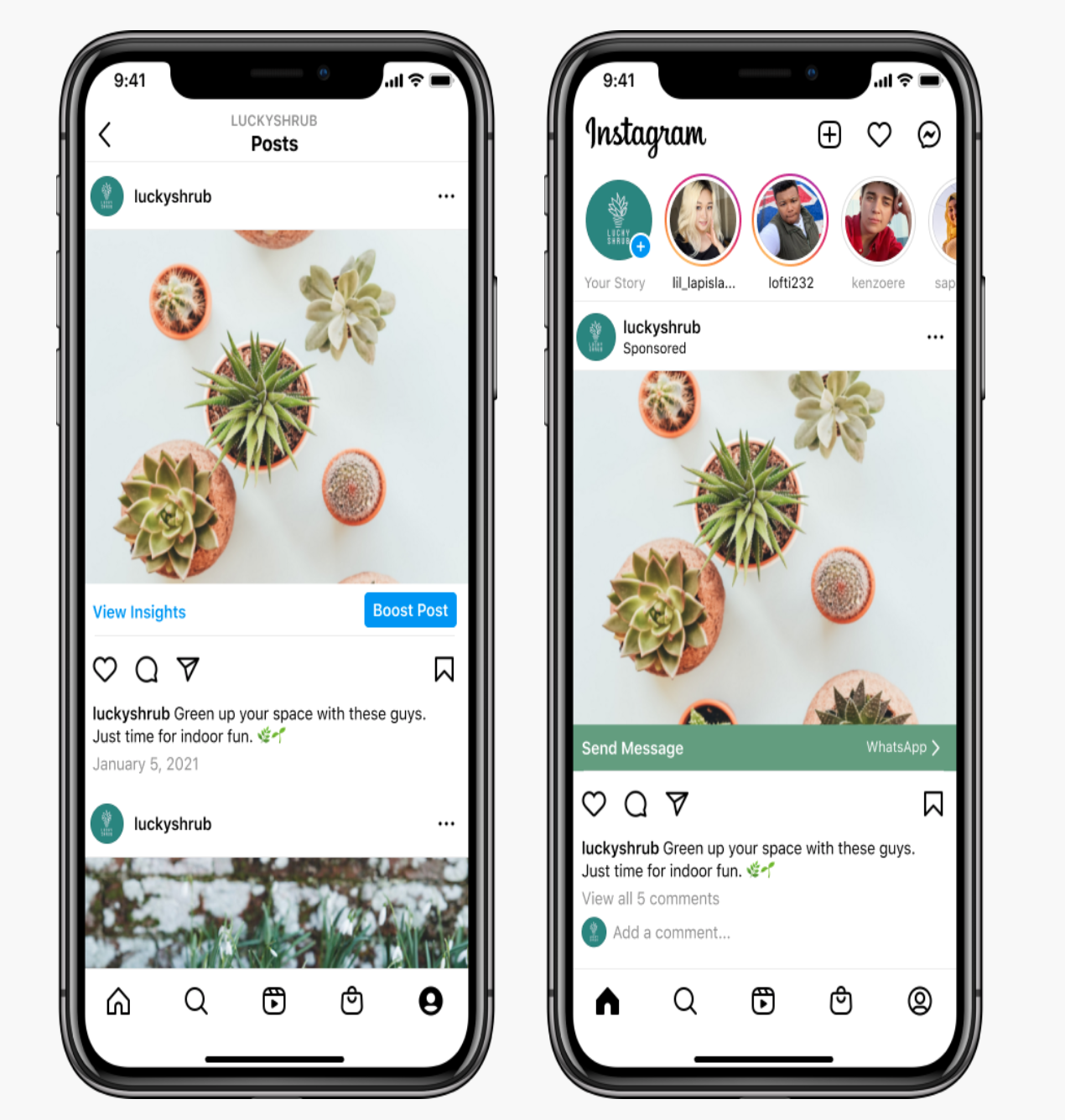
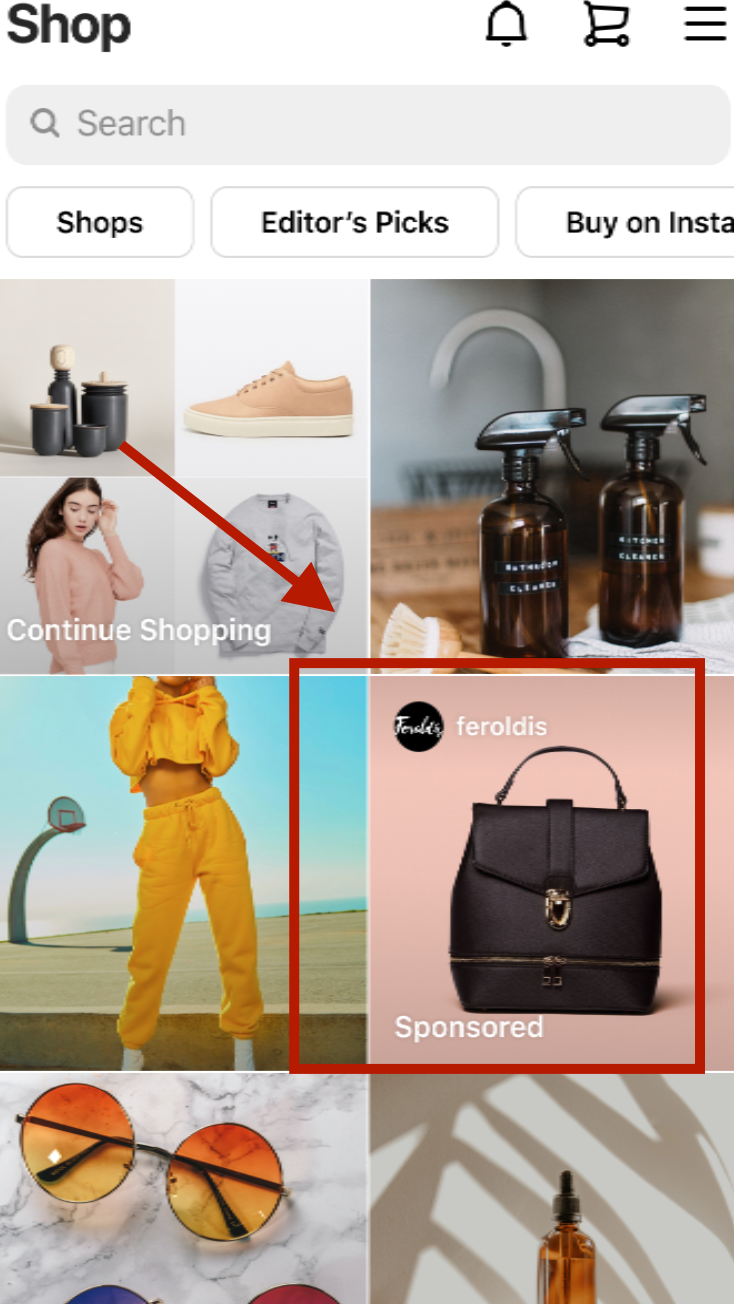
In August 2022, Meta formally introduced Advantage+ shopping campaigns, utilizing machine learning to automate creative variation testing—capable of evaluating up to 150 creative options simultaneously. Internal testing data released by Meta indicated that these automated campaigns yielded a 12% lower cost-per-purchase conversion rate compared to standard legacy ad setups. Subsequent updates integrated Facebook Shops directly into ad delivery pathways for eligible U.S. businesses, directing users dynamically to either a brand’s website or its on-platform shop based on predicted conversion probability.
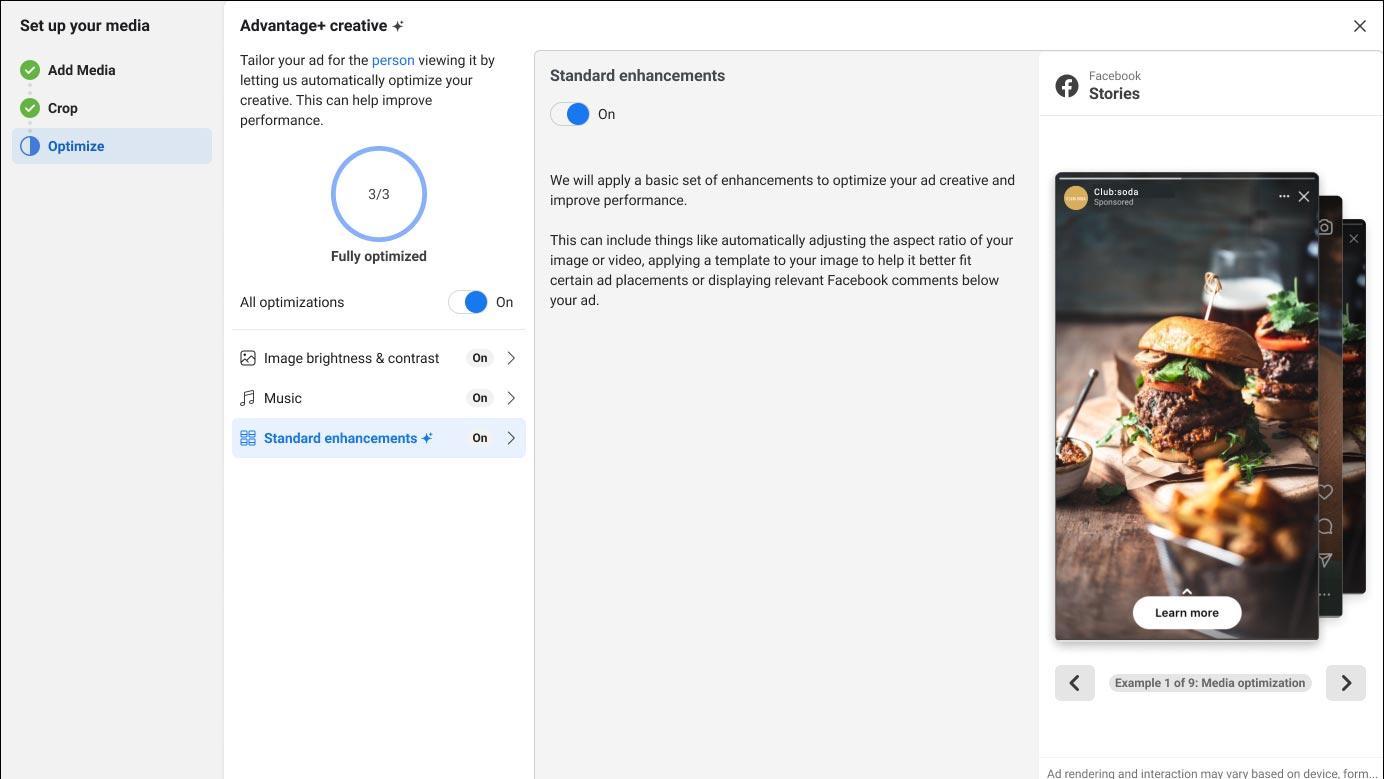
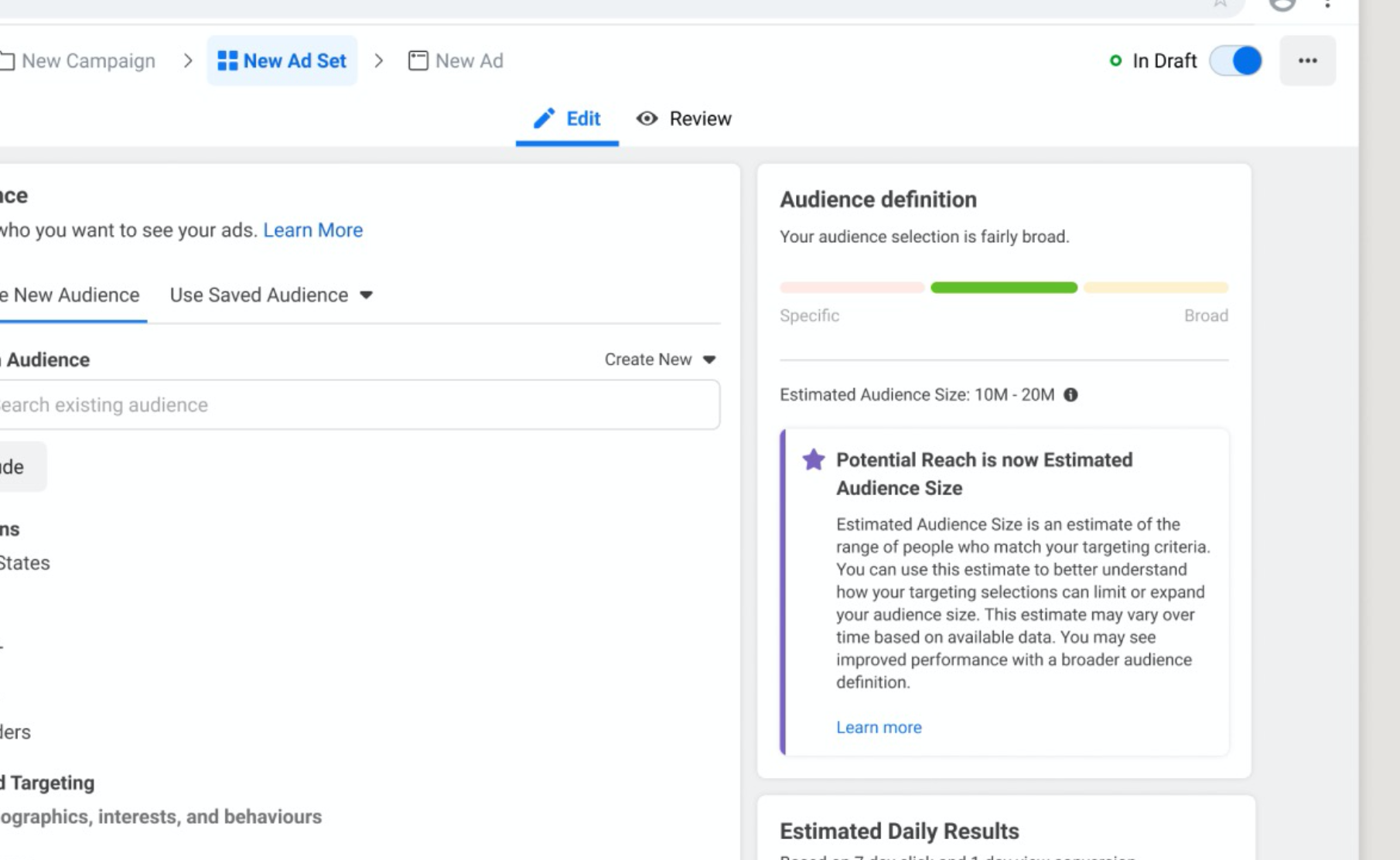
Furthermore, Meta expanded its automated toolset to include Advantage+ creative, Advantage audience, and Advantage+ app campaigns. These systems dynamically adjust ad creative for individual viewers, construct fluid custom audiences derived from Page conversion histories, and enhance mobile app install metrics via expanded 7-day click attribution windows and detailed reporting suites. By March 2022, Meta had officially consolidated all automated ad products into the unified Meta Advantage Suite, categorizing them into "Advantage" (targeted automation features) and "Advantage+" (end-to-end campaign automation).
Navigating Regulatory Pressures and Brand Safety Milestones

As digital advertising faced increased regulatory scrutiny regarding data privacy, misinformation, and brand suitability, Meta pursued formal industry accreditations to validate the integrity of its inventory. A significant milestone was achieved in November 2022 when Meta secured accreditation from the Media Rating Council (MRC) for content-level brand safety on Facebook. Independent auditors evaluated Meta’s Partner Monetization Policies, Content Monetization Policies, and associated suitability controls applied to Instant Articles and In-Stream video across desktop, mobile web, and mobile app environments.
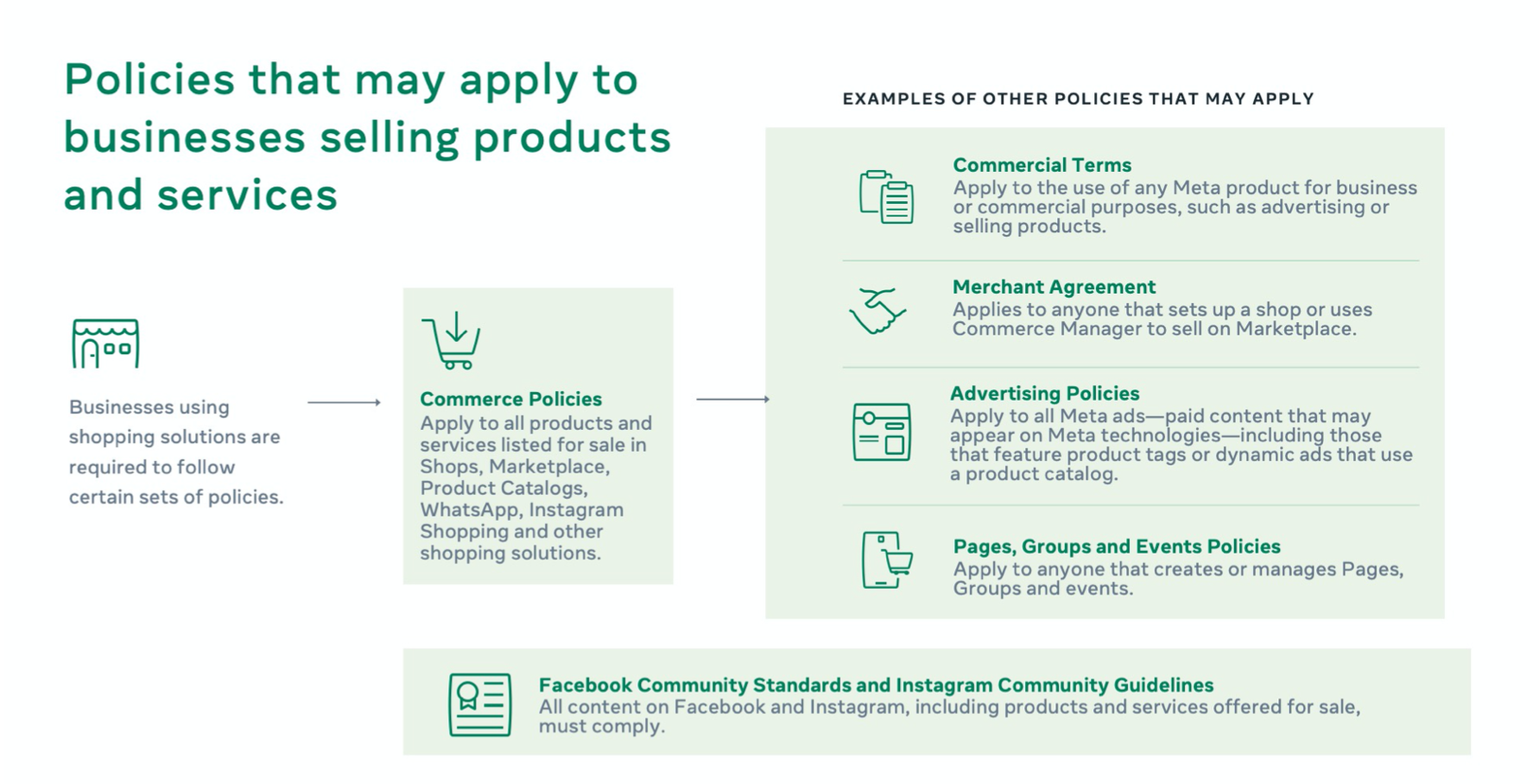
To complement this accreditation, Meta initiated testing on content-based inventory filters for both Facebook and Instagram feeds, signaling a proactive effort to align algorithmic content delivery with strict corporate brand safety requirements. Concurrently, Meta adjusted its policies regarding social issue advertisements. In late 2021 and throughout 2022, the company clarified that advertisements primarily focused on selling a commercial product or service—even those touching upon topics such as environmental sustainability or public health—would no longer be classified as social issue ads, thereby exempting commercial entities from the rigorous authorization processes and "Paid for by" disclaimers required for political and advocacy campaigns.

Intellectual property protection also received technological reinforcement with the launch of the IP Reporting API in October 2022. Designed to integrate seamlessly with the Graph API, the system empowered intellectual property rights holders to report infringing or counterfeit content more efficiently. This infrastructure supported improvements to Meta’s Brand Rights Protection tool, enabling brands to combat copyright infringement, unauthorized impersonation, and trademark violations across Facebook and Instagram.
Short-Form Video Dominance: The Ascent of Reels
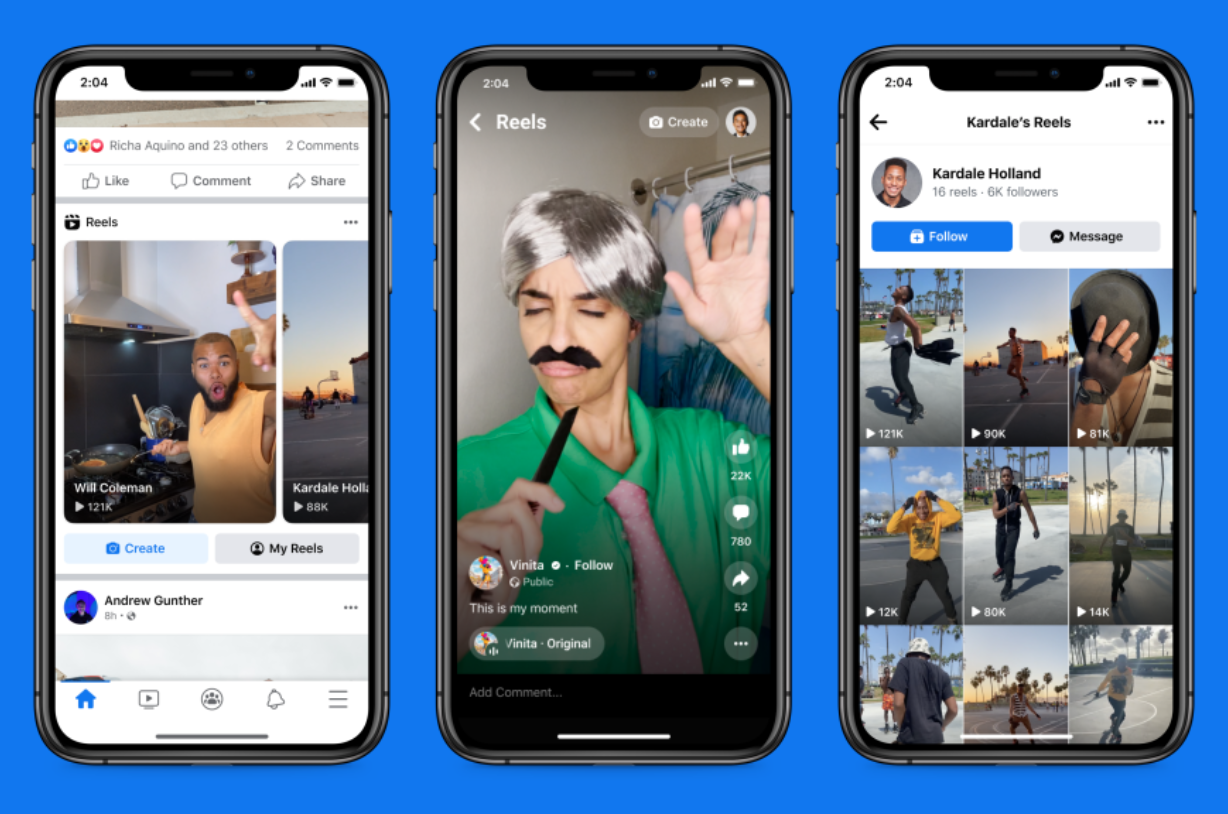
The most prominent product evolution of 2022 was Meta’s aggressive prioritization of short-form video content through the rapid deployment of Reels across both Facebook and Instagram. Modelled after competing formats popularized by TikTok, Reels quickly emerged as the primary driver of engagement, traffic, and algorithmic discovery across Meta’s properties.
Throughout the year, Meta systematically integrated Reels into every operational layer of its ecosystem:
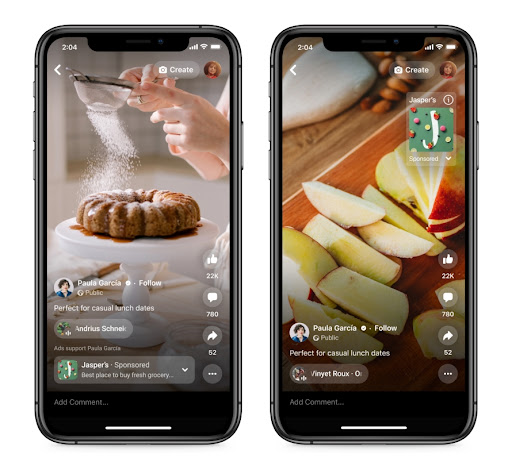
- Global Rollout and Monetization: Following its initial launch, Facebook Reels achieved global availability by early 2022, accompanied by the initiation of overlay ad testing and the "Stars on Reels" creator tipping mechanism in select regions.
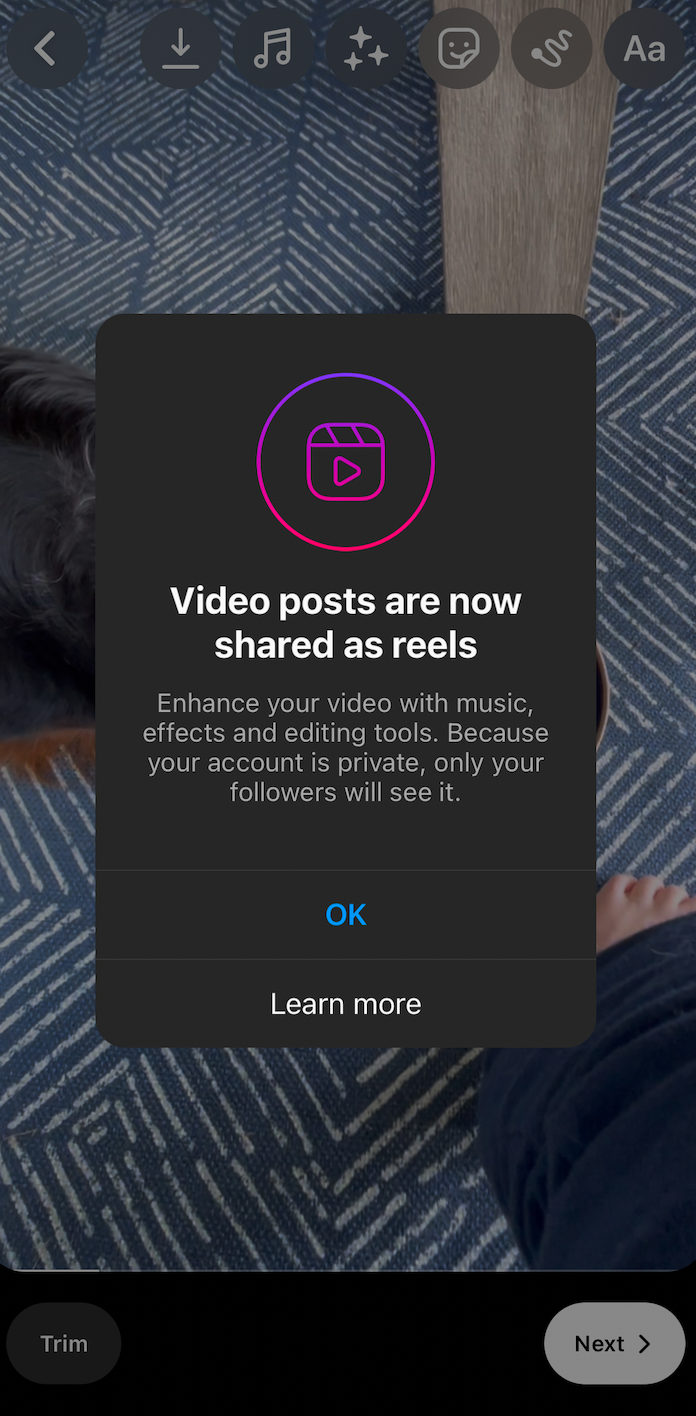
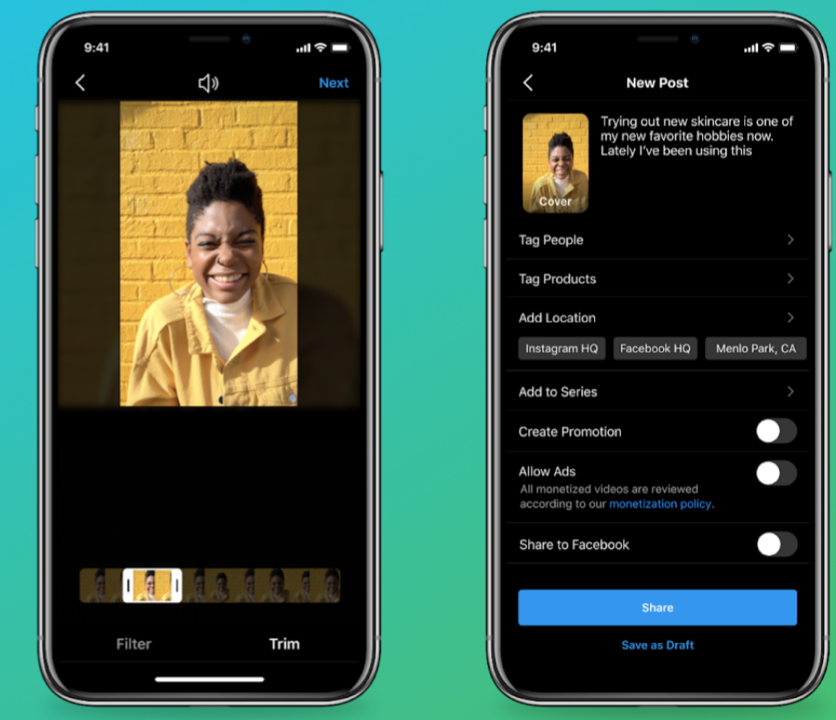
- Unified Video Strategy: In July 2022, Instagram altered its posting architecture, announcing that new video posts under 15 minutes in length would automatically be shared as Reels, effectively merging the traditional video and Reels profile tabs and granting standard video uploads access to advanced Reels editing suites.
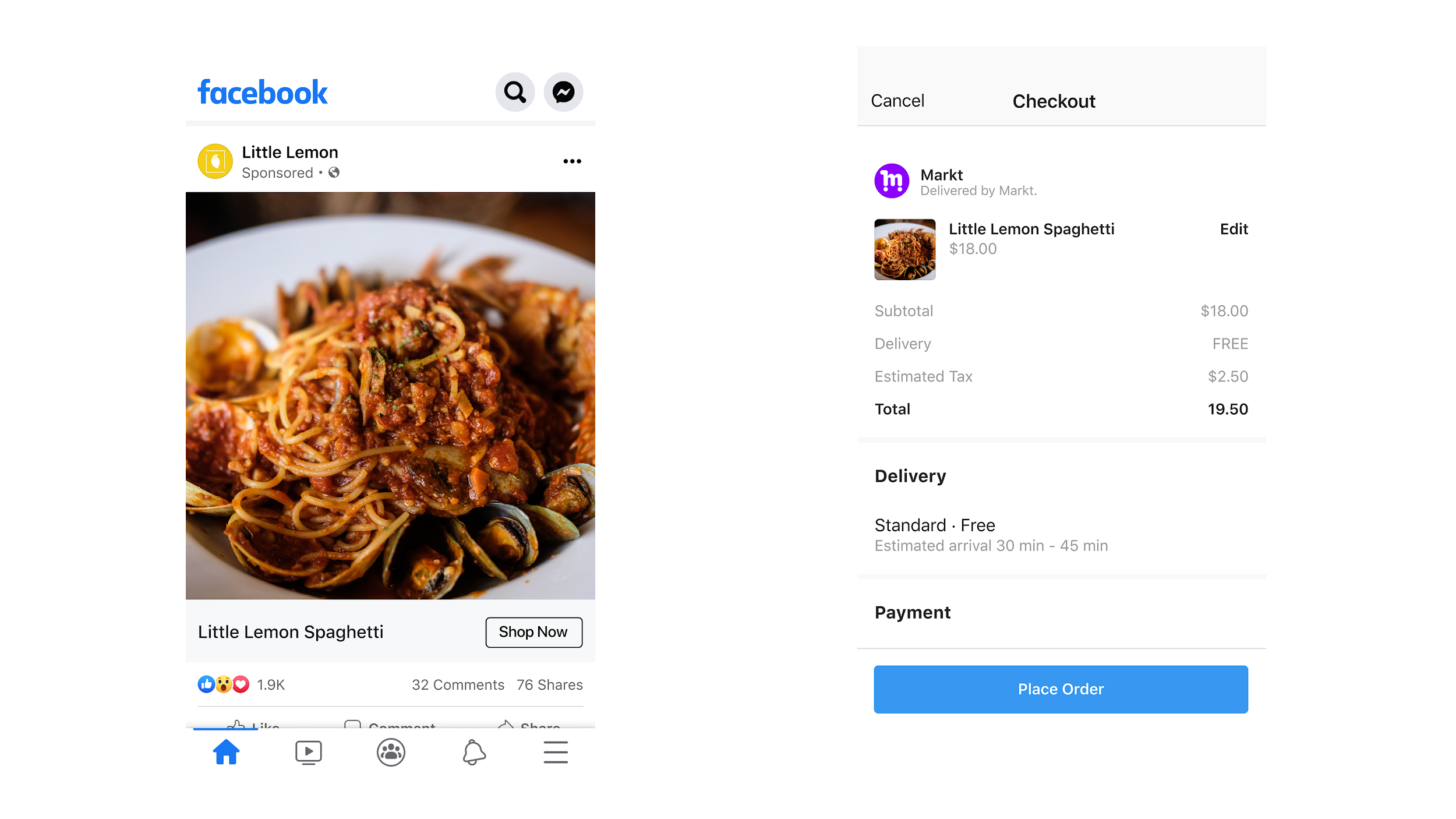
- Scheduling and API Integration: Recognizing the operational needs of professional creators and enterprise marketers, Meta introduced native content scheduling for Reels—allowing posts to be planned up to 75 days in advance directly within the mobile app—alongside API access for third-party social media management platforms such as Hootsuite by July 2022. This integration enabled automated publishing, comprehensive analytics tracking, and advanced comment moderation.
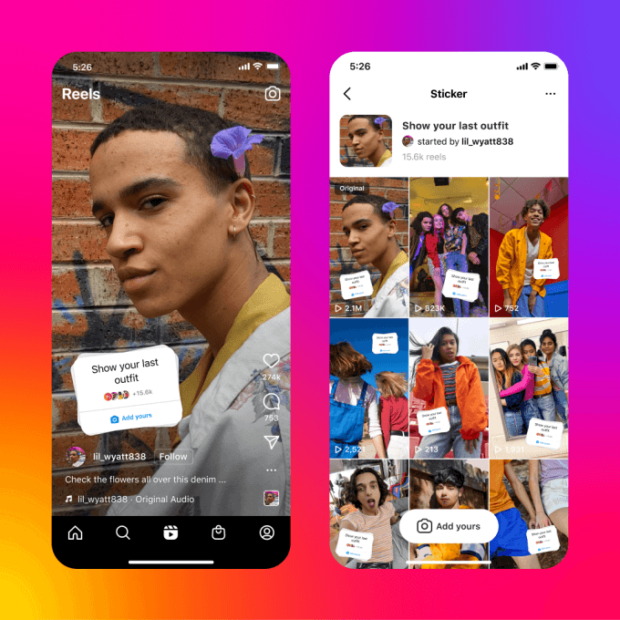
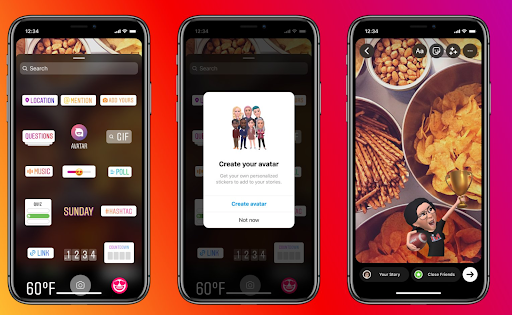
- Interactive Features: Features previously exclusive to Stories, such as the "Add Yours" sticker, cross-posting capabilities between Instagram and Facebook, and detailed performance insights (reach, average watch time, total view time), were progressively integrated into the Reels format.
Monetization, Commerce, and Creator Economy Expansion
Meta’s financial commitment to the creator economy reached a pivotal juncture in mid-2022 when Chief Executive Mark Zuckerberg announced that revenue-sharing models for creators utilizing Badges, Subscriptions, and paid online events would remain inactive (meaning Meta would take zero cut of creator earnings) through at least 2024. This policy was supported by a broader $1 billion investment program aimed at incentivizing content production via seasonal bonus structures.
Concurrently, the monetization architecture expanded through several commercial mechanisms:
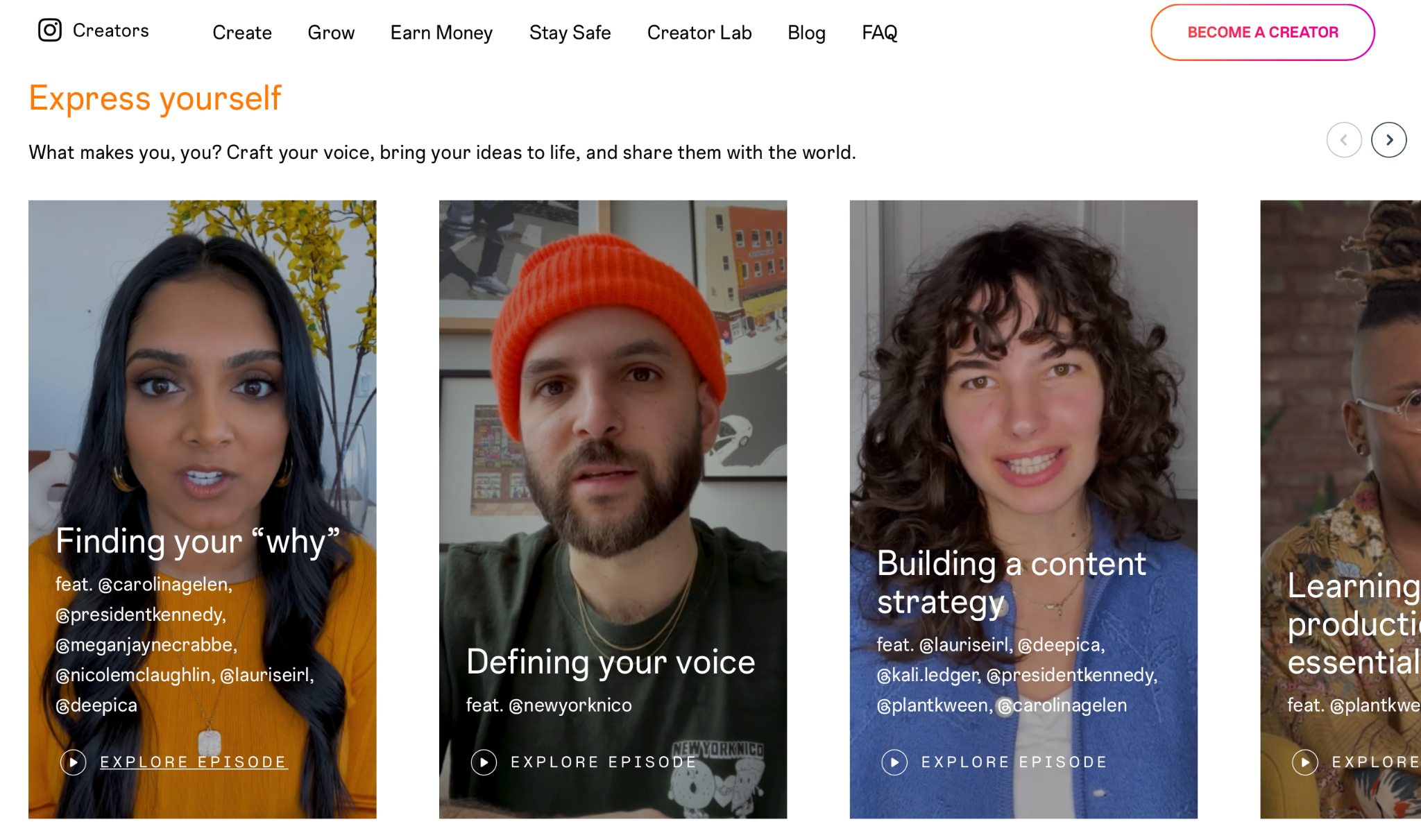
- Instagram Creator Marketplace: Initially tested in mid-2022 and gradually rolled out to U.S. brands, the Creator Marketplace functioned as an internal discovery and collaboration hub. It enabled brands to filter creator profiles by demographic criteria and audience metrics, facilitating direct communication, campaign scoping, and deliverable management within the Meta Business Suite.
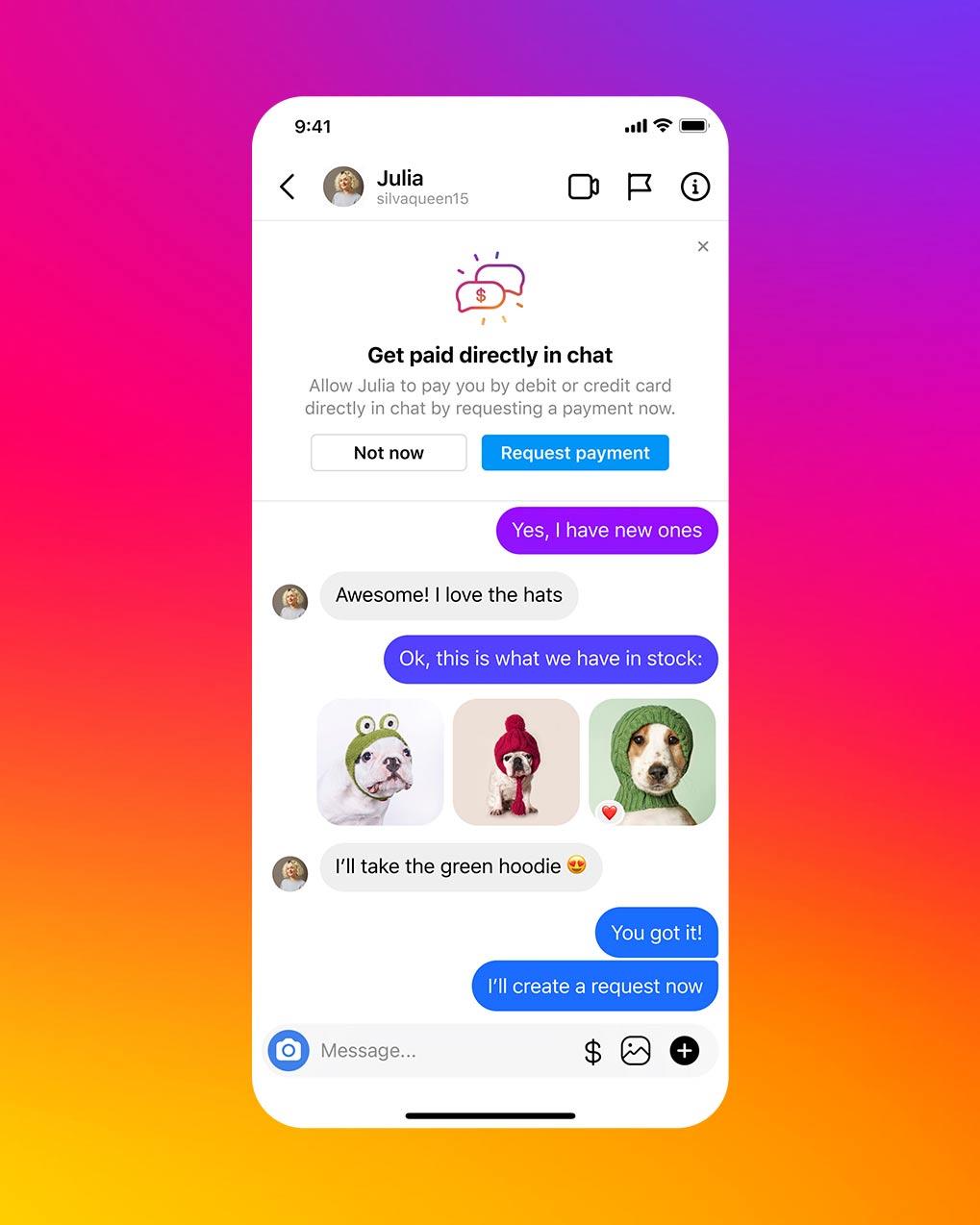
- In-Chat Payments and Affiliate Selling: Instagram introduced native payment processing within Direct Messages (DMs), allowing eligible professional account holders to invoice clients and accept payments securely via credit card, PayPal, or Meta Pay directly inside chat threads without transaction fees. Furthermore, plans for native affiliate selling tools were announced, enabling creators to earn commissions on products purchased through on-platform tags without requiring external affiliate link management.
- Live Shopping Shifts: Reflecting shifting consumer viewing habits toward asynchronous short-form video, Meta elected to wind down Facebook Live Shopping operations in October 2022, reallocating engineering and product resources toward the continuous optimization of Reels-based commerce.
Community Building and Group Administration Tools
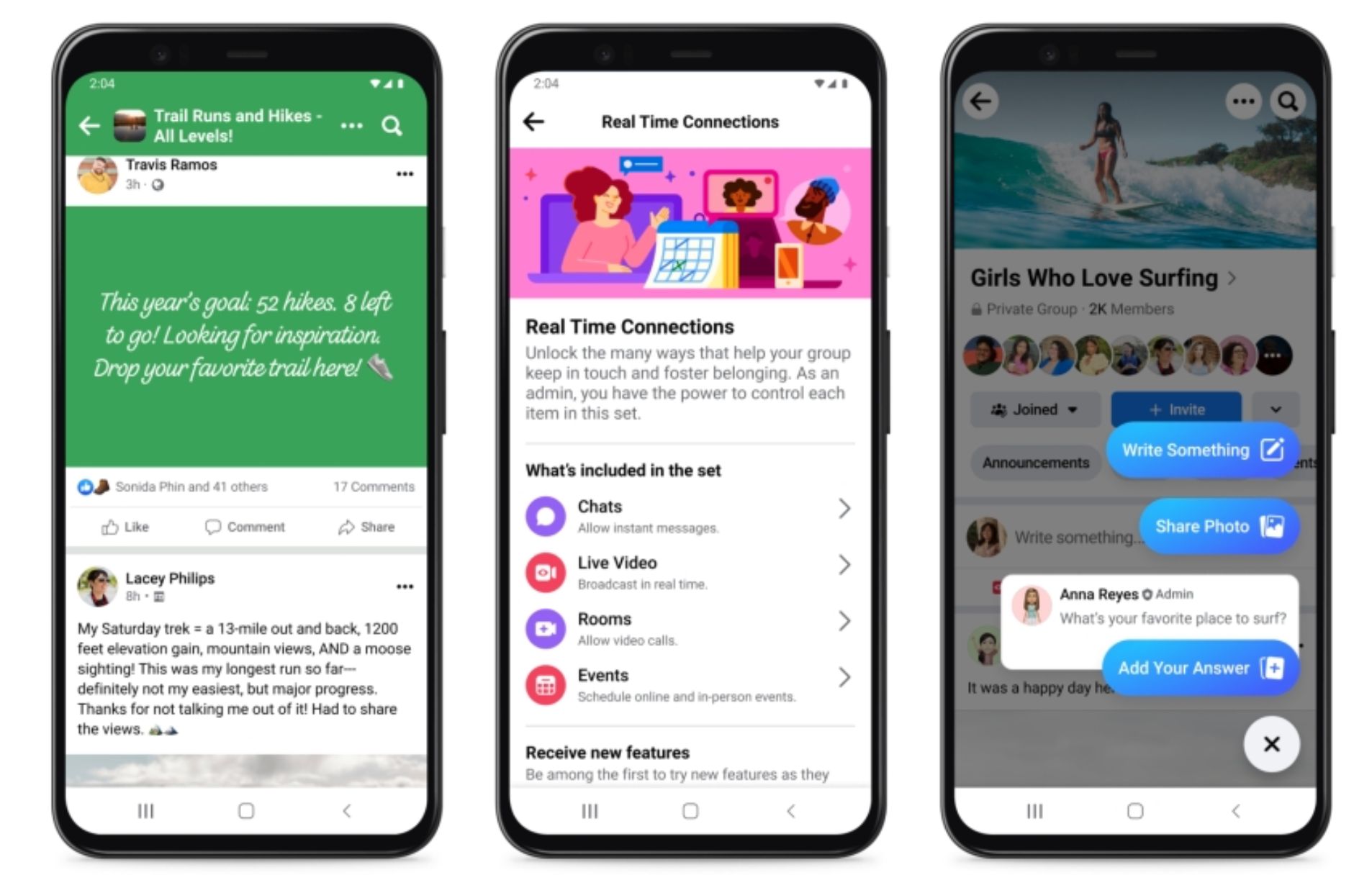
Facebook Groups maintained a central role in Meta’s strategy to foster deep user engagement and niche community networking. Throughout 2022, Meta deployed an array of administrative enhancements designed to streamline moderation and introduce monetization pathways for community leaders.
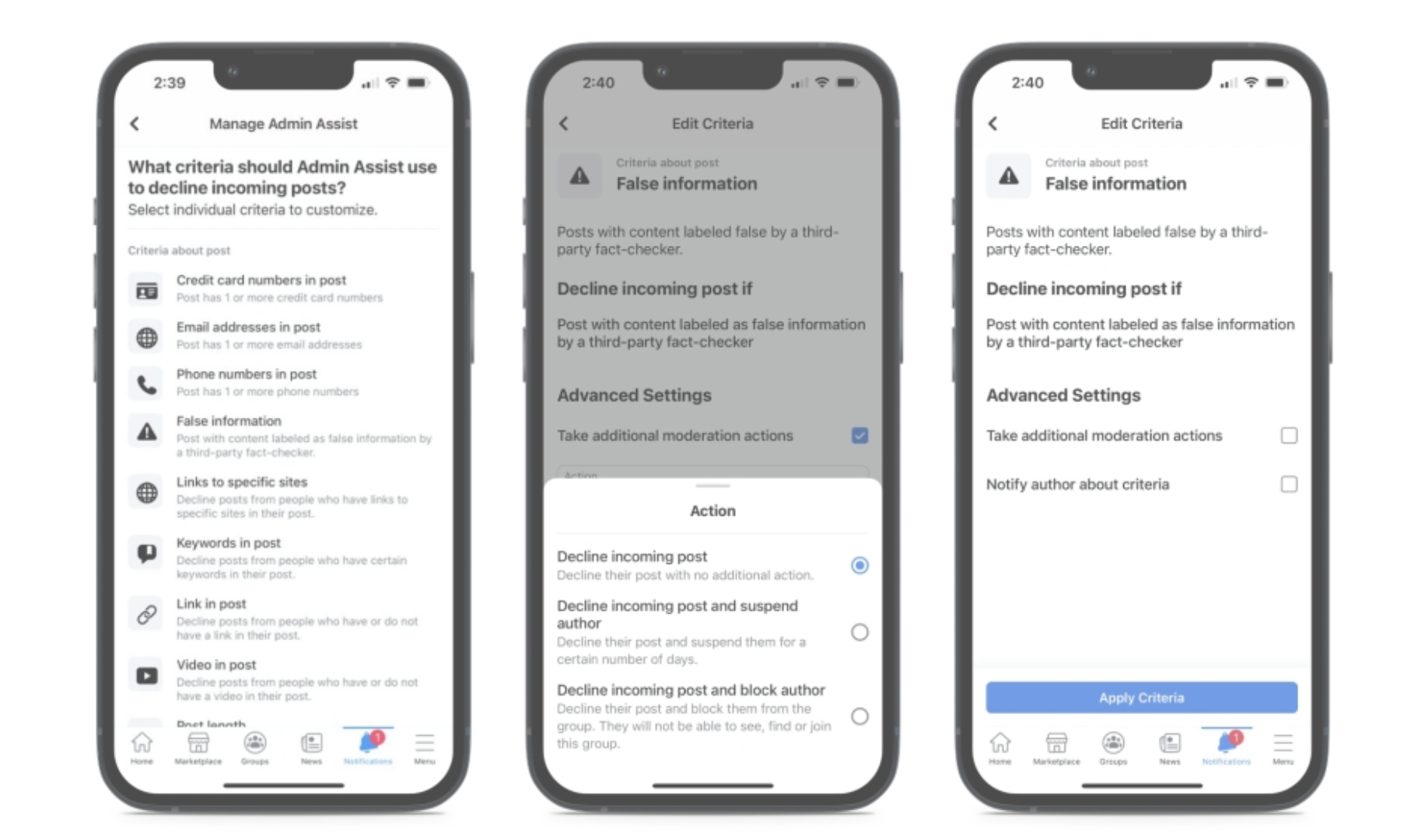
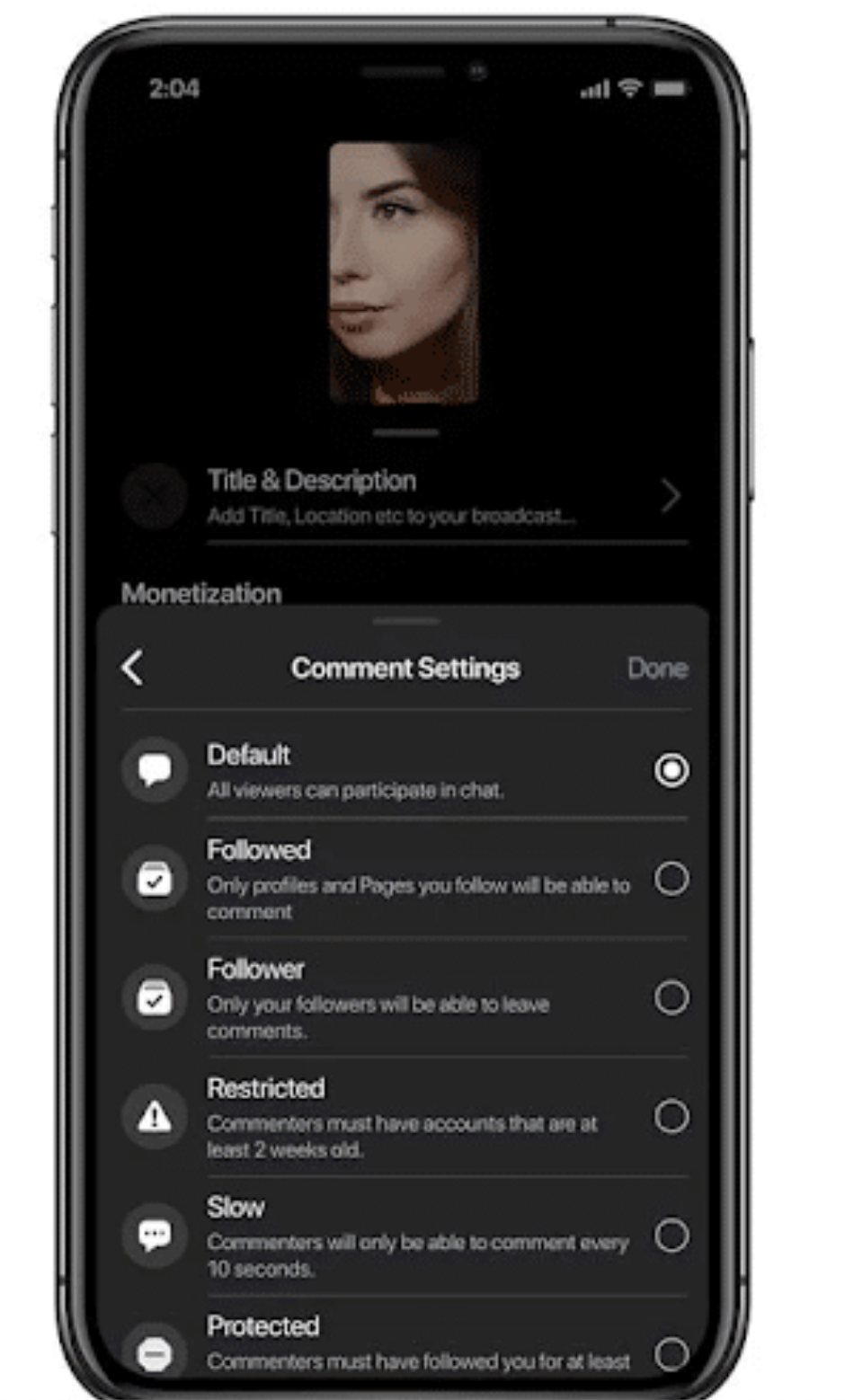
Admin Assist tools were upgraded to include automated filtering parameters based on keyword detection, member profile characteristics (such as account age or historical infraction rates), and the ability to block repeat offenders alongside newly created secondary accounts. Furthermore, subscription-based Groups expanded, providing brands and niche creators with recurring revenue models via exclusive content tiers. Meta’s continued algorithmic elevation of Group content within primary newsfeeds underscored its commitment to positioning community spaces as durable alternatives to public feed saturation.
Small Business Support and Economic Resilience
Amidst persistent global economic headwinds and post-pandemic recovery challenges, Meta established targeted support frameworks for small and medium-sized enterprises (SMEs). Programs such as "Small Business Studios"—which combined on-demand digital course libraries with live educational tours across multiple U.S. cities—provided tactical guidance on digital advertising, algorithmic adaptation, and social commerce.
Specialized initiatives, including partnerships with public figures and organizations to support Black-owned and Asian and Pacific Islander-owned small businesses, delivered direct operational assistance, mentorship, and significant advertising credits. These efforts were paired with the launch of the Campaign Ideas Generator, an interactive tool designed to provide small business owners with industry-specific marketing blueprints, seasonal strategy tips, and pre-formatted creative assets.
Strategic Outlook and Implications for 2023
As marketers and advertisers transition into 2023, the cumulative impact of Meta’s 2022 updates points toward a fundamentally more automated, streamlined, and visually immersive ecosystem. The maturation of the Advantage+ suite signals a permanent departure from manual, hyper-targeted ad configuration toward machine-learning-driven creative optimization. Simultaneously, the ubiquity of Reels, the formal integration of messaging APIs across third-party dashboards, and the expansion of native social commerce infrastructure establish clear operational imperatives for digital strategies moving forward.
Despite ongoing capital expenditures directed toward Mark Zuckerberg’s long-term vision of the metaverse—which surpassed $36 billion in cumulative investment by late 2022—Meta’s immediate commercial trajectory remains anchored in optimizing its core family of apps. By balancing stricter brand safety controls and regulatory compliance with robust developer APIs and creator monetization tools, Meta positioned its platforms to maintain dominant market share amid ongoing digital marketing evolution.