The Ultimate Guide to Crafting High-Converting Social Media Calls to Action in Modern Digital Marketing


In the fast-paced ecosystem of digital marketing, the call to action (CTA) serves as the critical bridge between passive audience engagement and measurable conversion. As brands increasingly compete for consumer attention across social media platforms, search engines, and email inboxes, the ability to construct a compelling, persuasive prompt has become an essential competency for marketing professionals. Industry analyses indicate that ad fatigue is on the rise, with more than 22% of ad-blocker users citing an overabundance of digital advertisements as their primary motivation for utilizing blocking software. In an environment saturated with commercial messaging, a precisely engineered CTA can determine whether a campaign achieves its revenue targets or is simply scrolled past unnoticed.
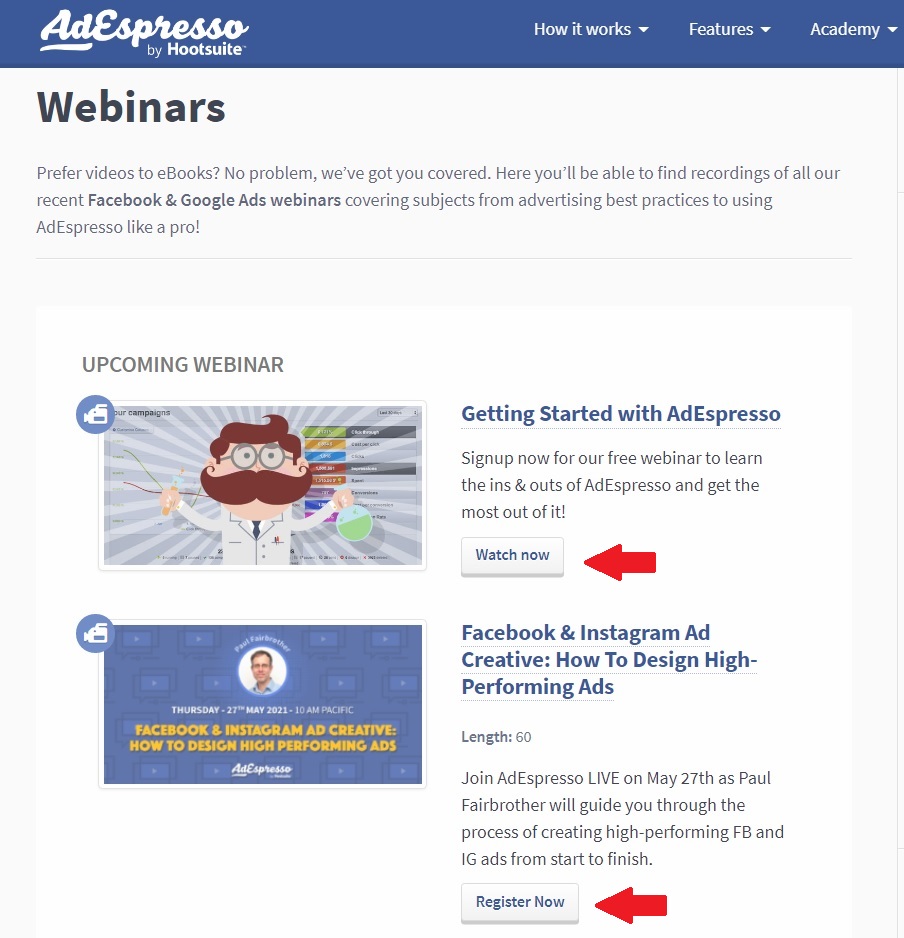
Anatomy of an Effective Call to Action
At its core, a call to action is a strategic text or visual prompt designed to guide a target audience toward a specific, measurable objective. Whether urging a user to click an advertisement, download a digital whitepaper, subscribe to a newsletter, or finalize an e-commerce purchase, the CTA eliminates decision fatigue by providing clear directional cues. Historically, CTAs have evolved from simple imperative commands—such as Buy Now or Download Now—into nuanced, multi-word phrases that establish psychological relevance, clarity, and urgency.

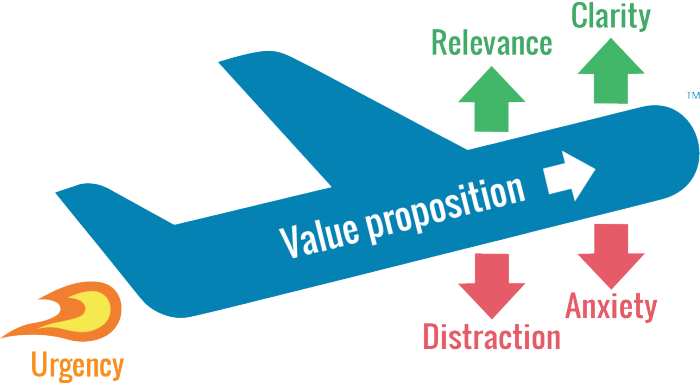
Digital marketing experts often evaluate the efficacy of a CTA through established frameworks such as the LIFT Model, which identifies key conversion rate factors including value proposition, relevance, clarity, and urgency. For instance, a phrase like Download this ebook now effectively incorporates relevance in its action verb, clarity in its subject matter, and urgency in its temporal modifier.

Furthermore, data from split-testing experiments underscore the tangible financial implications of CTA optimization. Research conducted by prominent digital advertising platforms demonstrates that utilizing optimized, clickable CTA buttons rather than plain text can significantly lower acquisition costs. In controlled ad-spend experiments, campaigns featuring targeted button prompts achieved substantially higher conversion volumes while reducing cost-per-conversion metrics by more than 50% compared to campaigns lacking explicit button integration.

Strategic Categorization and Industry Implementation

Different industry verticals require tailored linguistic approaches to maximize audience conversion. E-commerce platforms typically rely on transactional verbs such as buy, shop, order, and reserve to facilitate immediate purchasing behavior. Conversely, Software-as-a-Service (SaaS) providers leverage terms like try, get started, subscribe, and sign up to encourage software adoption and trial generation. Non-profit organizations utilize emotionally resonant terminology—including donate, commit, volunteer, and support—to foster philanthropic engagement among prospective donors.

Across major social media platforms, including Facebook and Instagram, the strategic integration of native, clickable CTA buttons has transformed standard ad units into high-performing conversion engines. Case studies across multiple campaigns reveal that incorporating native interface buttons such as Learn More or Download significantly outperforms advertisements that rely solely on textual links embedded within the primary post copy.

Design and Placement Best Practices

Beyond linguistic selection, the physical design and placement of a CTA heavily influence its performance. On landing pages and corporate websites, usability studies emphasize the importance of positioning primary conversion elements above the fold, ensuring that visitors are immediately presented with a clear value proposition and a corresponding action point. Visual contrast plays a pivotal role; CTA buttons that utilize distinct, high-contrast color schemes consistently generate higher click-through rates than those that blend into the surrounding site architecture.

Moreover, the strategic deployment of secondary CTAs can accommodate users who require additional information before making a commitment. While primary buttons focus on immediate conversion—such as completing a purchase or initiating a software trial—secondary links often direct users toward educational resources, customer testimonials, or detailed product specifications, thereby nurturing leads throughout the various stages of the marketing funnel.

Broader Implications for Digital Campaign Management

The ongoing refinement of call-to-action strategies reflects a broader industry shift toward data-driven optimization and rigorous performance testing. As consumer skepticism grows and digital ad expenditures face tighter scrutiny, marketing departments can no longer rely on generic, one-size-fits-all prompts. Continuous A/B testing of button color, placement, length, and vocabulary has become a standard operational procedure for successful digital enterprises.
Ultimately, the humble call to action remains one of the most powerful levers available to modern marketers. By combining psychological triggers, such as urgency and exclusivity, with robust technical optimization and empirical testing, organizations can transform indifferent web traffic into loyal brand advocates, ensuring maximum return on investment across all digital channels.