The landscape of professional networking is undergoing a subtle yet profound shift. As digital habits evolve, the traditional "9-to-5" window for professional engagement is no longer the definitive standard for content performance on LinkedIn. According to a comprehensive analysis of 4.8 million posts conducted by Buffer’s data science team, the peak engagement windows for the platform have shifted toward the late afternoon and early evening hours. This transition reflects a broader trend seen across social media platforms like Instagram and TikTok, where users are increasingly utilizing their post-work hours for professional development, industry networking, and knowledge consumption.
The Shift in Professional Digital Behavior
For years, the consensus among social media managers was that LinkedIn engagement was tethered to the standard workday. In 2025, data suggested that posting activity and subsequent engagement dropped off sharply once the clock struck 5:00 p.m. However, 2026 data indicates that this pattern has been disrupted.
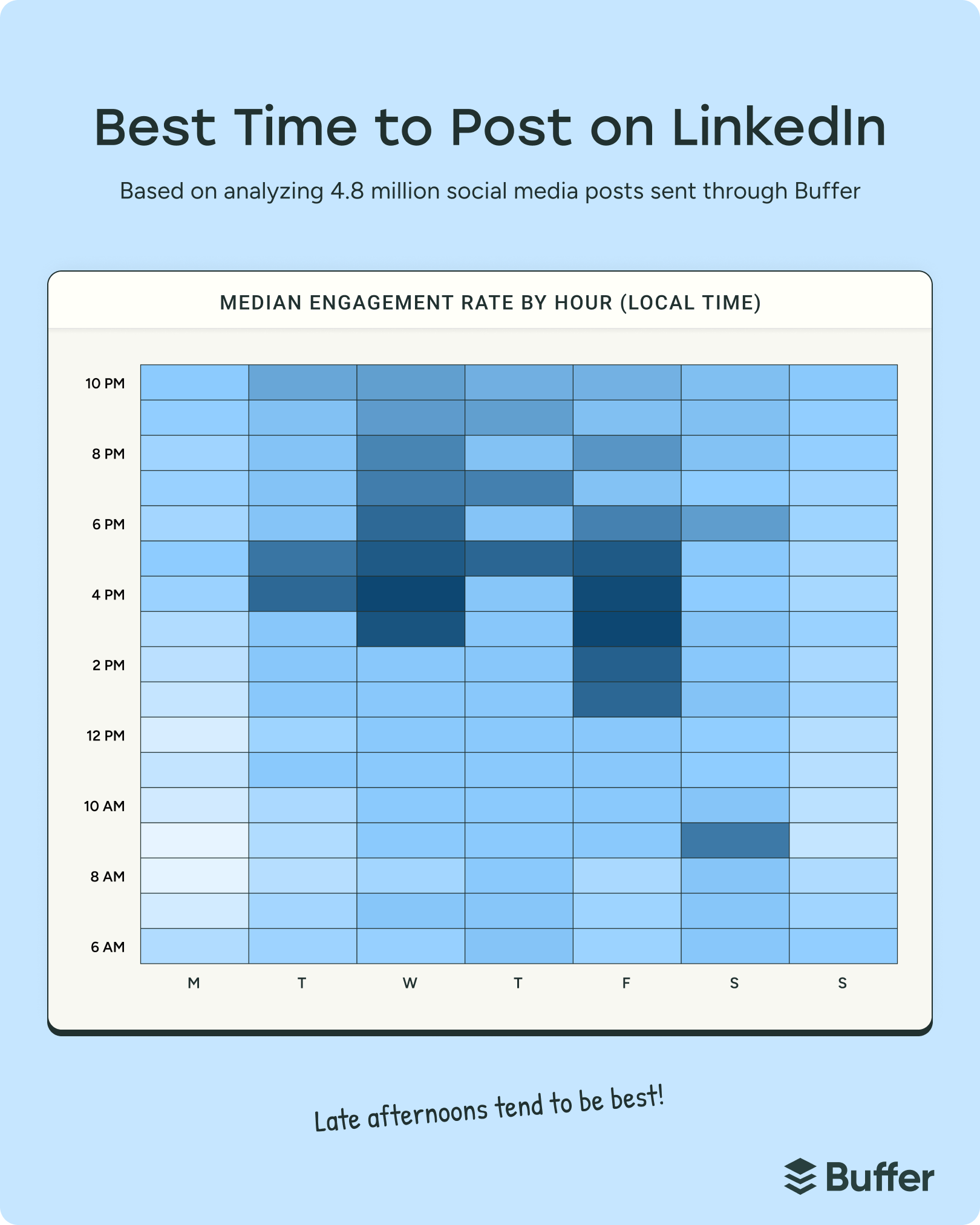
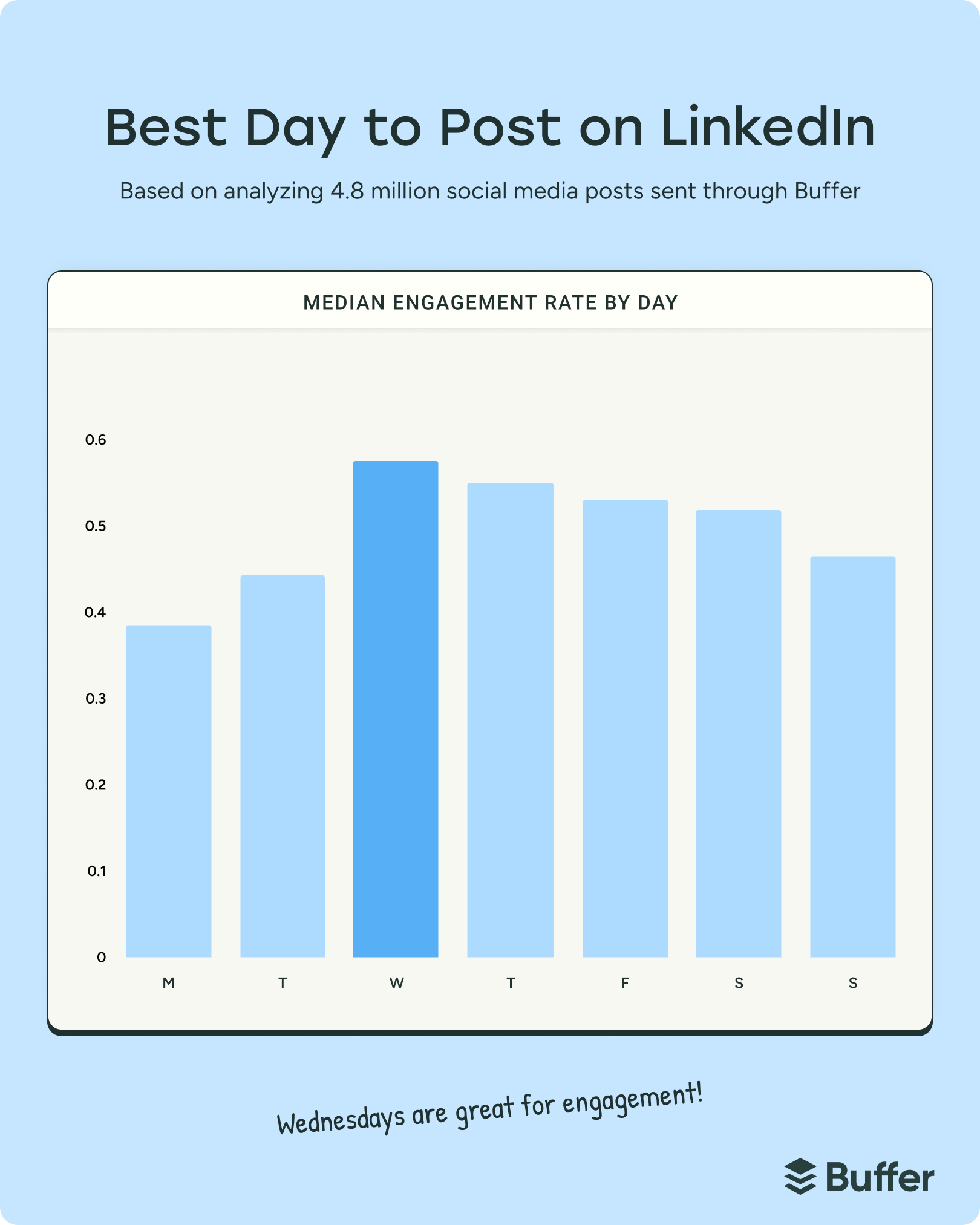
The current research, spearheaded by data scientist Julian Winternheimer, reveals that the most effective time to publish content on LinkedIn is now between 3:00 p.m. and 8:00 p.m. on weekdays. Wednesday, specifically at 4:00 p.m., has emerged as the statistically strongest slot for maximizing reach and interaction. This movement suggests that professionals are increasingly treating LinkedIn as a "second screen" experience or a dedicated activity to pursue once their primary, task-heavy work obligations have concluded for the day.
Data-Driven Chronology of Engagement
To understand the current state of LinkedIn performance, it is helpful to look at the week as a gradient of engagement rather than a static block of time. The data reveals a distinct hierarchy of days and hours:
- Mid-Week Momentum: Wednesday remains the apex of the week. By the middle of the work cycle, users are generally settled into their projects and are more receptive to thought leadership and industry news. Thursday and Friday also show strong retention, particularly in the mid-to-late afternoon.
- The Early-Week Slump: Contrary to some older marketing theories, Monday and Tuesday demonstrate the lowest overall engagement levels. It is hypothesized that during the start of the week, users are overwhelmed by internal communications, planning meetings, and the "heads-down" requirements of their roles, leaving little time for the voluntary, high-cognitive-load activity of engaging with LinkedIn content.
- Weekend Trends: While weekend engagement remains lower than weekday activity, there is a notable, albeit small, spike on Saturday mornings at 9:00 a.m. and Sunday evenings at 10:00 p.m. These times likely correlate with users preparing for the upcoming week or engaging in passive scrolling during leisure time.
The Role of the LinkedIn Algorithm
The importance of timing is inextricably linked to the platform’s underlying ranking mechanism. LinkedIn’s algorithm is designed to prioritize content that garners early, high-quality engagement. Reactions, comments, and, most importantly, reposts act as signals of "value."
When a user posts during a peak window, the probability of receiving these initial signals increases. Because the algorithm rewards posts that generate rapid interaction, the timing of the initial upload creates a cascading effect. If a post garners early engagement, the algorithm is more likely to serve that content to a wider secondary audience, effectively amplifying the post’s reach. While timing is not a panacea for poor content—relevance and value remain the primary drivers of success—it functions as a strategic lever that can optimize the distribution of high-quality material.
Normalizing Global Time Zones
One of the most critical aspects of this research is the normalization of data across time zones. For global organizations and individual creators, the question of whether to adhere to a specific headquarters time zone is a common point of friction. The Buffer analysis confirms that the identified optimal hours—such as the 4:00 p.m. peak—should be interpreted as local time. This means that regardless of whether a user is operating in New York, London, or Sydney, the recommendation is to align with the local time of the target audience. This eliminates the need for complex, error-prone conversions and allows for a more localized, context-aware content strategy.
Practical Implications for Content Strategy
The shift toward evening engagement has significant implications for how brands and individuals manage their content calendars. If the "golden hour" for interaction has moved to the late afternoon, organizations that strictly schedule posts for early morning hours may be missing their most attentive audience.
Industry experts suggest that this change reflects a shift in user intent. Late-day activity on LinkedIn appears to be more intentional. When users log in after their core work hours, they are often in a mindset of exploration and long-term career growth, rather than the reactive, fast-paced environment of a busy workday. Consequently, content published during these windows—such as in-depth industry analysis, career advice, and long-form articles—may see higher conversion rates and more meaningful discussions.
Strategic Recommendations
For those looking to refine their LinkedIn strategy in light of these findings, the path forward involves a blend of data-informed scheduling and iterative testing.
- Prioritize Mid-Week: Reserve high-stakes content—such as major company announcements, research reports, or key thought leadership pieces—for Wednesday through Friday.
- Experiment with Timing: While the 3:00 p.m. to 8:00 p.m. window is a proven baseline, it is not an absolute rule. Use internal analytics to determine if your specific audience deviates from the norm.
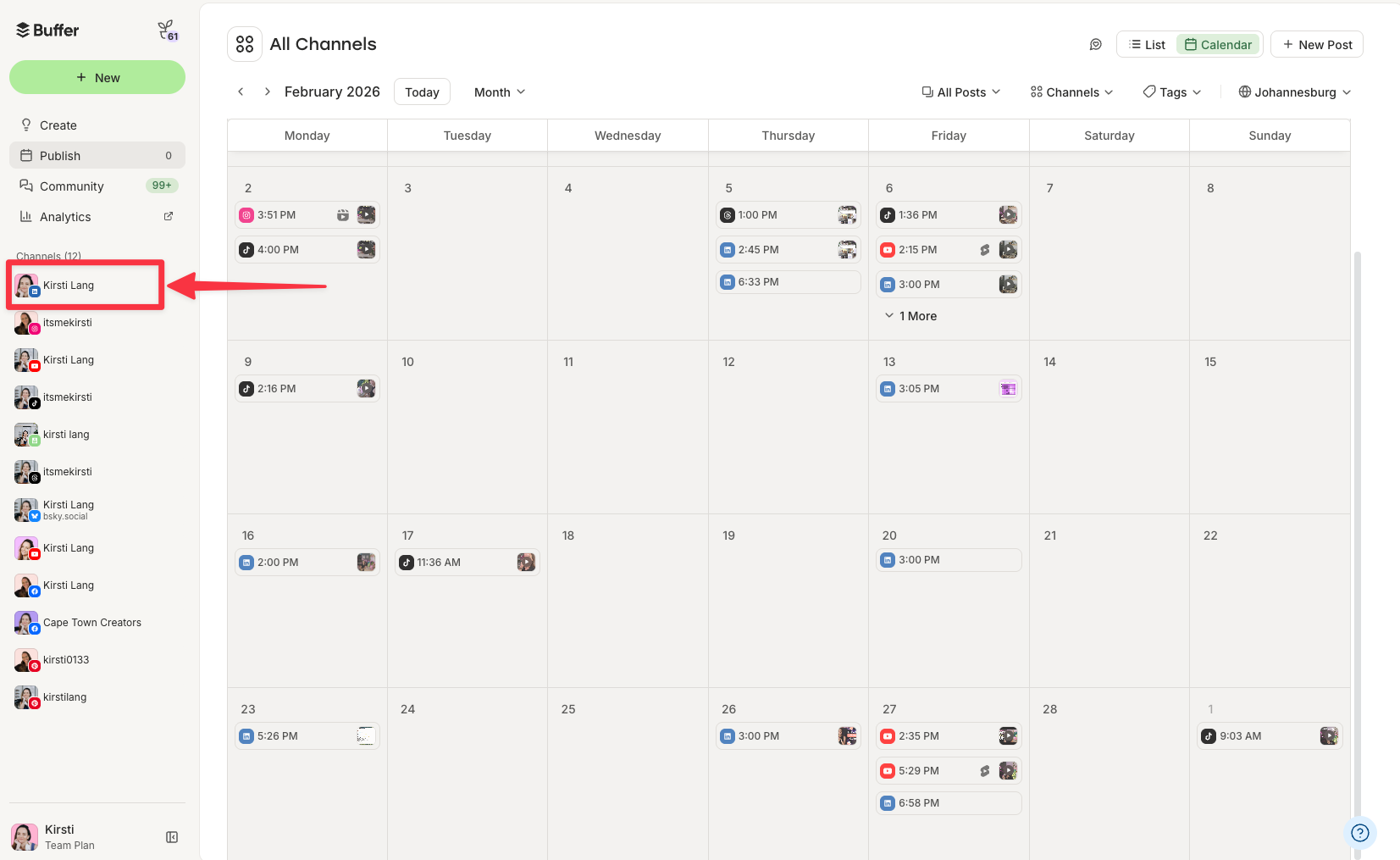
- Leverage Automation: Utilizing scheduling tools allows for the consistent execution of a posting strategy without the burden of manual, real-time management. By queuing content for these high-engagement slots, users can ensure their presence on the platform remains consistent, which is a key requirement for long-term growth.
- Content Format Diversification: The data suggests that format matters as much as timing. Carousel posts and documents have been observed to generate up to 596% more engagement than text-only updates. Combining the right format with the right timing is the most effective way to beat the algorithmic curve.
The Human Element in Digital Analytics
Despite the precision of modern data analytics, it is vital to remember that social media metrics are, at their core, a reflection of human behavior. The shift in LinkedIn engagement patterns is a testament to the changing nature of work itself. As remote work, flexible hours, and globalized teams become the standard, the rigid definitions of "business hours" have blurred.
The "evening shift" in engagement is a clear signal that professionals are finding space for their personal and professional growth in the margins of their day. For brands, this represents a unique opportunity to engage with audiences when they are more relaxed and perhaps more willing to consume complex content.
Final Considerations
As with all social media research, the data provides a map, not a set of instructions. The most successful LinkedIn strategies will continue to be those that provide genuine value to the community. While posting at 4:00 p.m. on a Wednesday may optimize the reach of a post, the quality of the post itself remains the deciding factor in whether that reach translates into actual impact.
In conclusion, the 2026 data serves as a compelling reminder to remain agile. The digital ecosystem is fluid, and those who remain tethered to outdated assumptions about when and how to engage are likely to see their influence wane. By aligning content distribution with the modern habits of the professional user base, creators and organizations can better position themselves to be heard in an increasingly crowded digital landscape. As we look ahead, the ability to adapt to these shifts in behavior will be the true differentiator for those seeking to build authority and community on LinkedIn.