Modernizing 811 Call Centers with AI: A Public Safety Imperative for Critical Infrastructure Protection


When an excavator prepares to break ground, the critical 811 call initiates a rapid sequence of events designed to prevent catastrophic utility strikes, a process measured in hours, not days. This intricate system, reliant on seamless communication between excavators, call centers, and utility providers, forms the operational backbone of underground infrastructure safety. Yet, many of the nation’s 811 call centers, tasked with receiving millions of dig requests annually and coordinating notifications across a vast network of operators, contend with lean teams, aging telecommunications infrastructure, and the dual expectation of immediate, accurate responses from both excavators and utility companies. The stakes are profoundly high, as communication failures can lead to severe consequences, including injuries, fatalities, widespread service outages, and hundreds of millions of dollars in damages each year. This pressing need for enhanced operational resilience and responsiveness is driving the adoption of AI-powered communication solutions, transforming how these vital government operations safeguard public safety and critical infrastructure.
The Vital Role of 811: A Public Safety Imperative
The 811 "Call Before You Dig" system, established to protect underground utilities and the communities they serve, represents a cornerstone of public safety and infrastructure integrity in North America. Its inception stems from a growing recognition in the latter half of the 20th century of the immense risks associated with unplanned excavation. As cities expanded and infrastructure networks became more complex, accidental strikes on buried gas lines, electrical cables, water mains, and communication conduits became increasingly common, leading to tragic accidents, environmental hazards, and costly service disruptions. The federal government, through initiatives like the Pipeline Safety Act, pushed for standardized notification systems. The 811 number was officially designated in 2005 by the Federal Communications Commission (FCC) as the national "call before you dig" number, streamlining what was once a disparate collection of regional "one-call" centers.
The fundamental premise of 811 is elegantly simple yet critically effective: before any excavation begins, professional excavators and even homeowners must contact their local 811 center. This single call sets in motion a legally mandated process where the 811 center notifies relevant utility companies, which then dispatch locators to mark the exact horizontal position of their underground lines with colored paint or flags. This "positive response" system ensures that work can proceed safely, minimizing the risk of damage, injury, and environmental harm. The efficacy of this system is directly proportional to the efficiency and accuracy of the communication channels supporting it. When the communication system falters, the safety net designed to protect lives and vital services is compromised, underscoring the critical need for robust and reliable contact center operations.
The Escalating Challenges for 811 Operations
Despite their critical mission, 811 call centers face a unique array of operational pressures that often strain their capabilities. The rhythm of an 811 center is unlike many other government services, characterized by highly predictable seasonal patterns but extreme peaks in call volume. The onset of spring, coinciding with the busiest construction season, can see call loads two to three times higher than a typical winter day. This dramatic fluctuation presents significant challenges for staffing and resource allocation.
-
Seasonal Surges Expose Staffing Limits: The inability to rapidly scale staffing to meet seasonal demand is a perennial problem. One-call centers often struggle to hire, train, and retain enough seasonal personnel to absorb the influx of dig requests during peak construction months. Every call that goes unanswered, is routed to voicemail, or languishes in a queue represents a potential dig request that might proceed without proper utility notification—a direct and avoidable safety risk. The human cost of these delays can be severe, not just in terms of potential injuries or fatalities, but also in the psychological toll on overwhelmed staff. Studies indicate that during peak times, call abandonment rates can surge, leaving crucial information unexchanged.
-
Emergency Locates Demand Zero-Friction Escalation: The nature of 811 operations includes responding to emergencies. When an excavator inadvertently strikes an unmarked line, or an excavation is underway near a critical gas pipeline, immediate and direct access to a live agent is non-negotiable. Rigid phone menus, convoluted interactive voice response (IVR) systems, and prolonged hold times in these moments are unacceptable. Industry research consistently shows that a significant percentage of callers, often as high as 85%, will not call back if they cannot reach a business on the first attempt. In the context of an in-progress emergency, this statistic carries potentially catastrophic consequences, potentially delaying crucial interventions. The urgency of these calls demands systems that can identify critical language and route immediately.
-
Routine Inquiries Overwhelm Expert Staff: A substantial portion of inbound call volume to 811 centers consists of routine inquiries that do not require the specialized expertise of a trained agent. These include status checks on existing tickets, questions about standard locate timeframes, or requests for after-hours callbacks. When these mundane yet necessary calls occupy the same queues as urgent new dig requests, the overall resolution times for critical tasks suffer, leading to frustration for both excavators and utility partners. This inefficient allocation of human resources detracts from agents’ ability to focus on complex or emergency situations, hindering overall operational effectiveness.
-
Legacy Systems Hamper Operational Visibility: Many 811 centers continue to rely on outdated, disparate telecommunications infrastructure. This legacy technology often lacks unified reporting capabilities, making it exceedingly difficult for center directors to gain comprehensive operational visibility. Without integrated dashboards and analytics, leaders cannot accurately identify peak load patterns, track first-contact resolution rates, or effectively coach staff on interactions that require improvement. This absence of data-driven insight hinders continuous service improvement and proactive problem-solving. Furthermore, the lack of robust call recording and transcription capabilities can pose significant challenges for auditing, compliance, and dispute resolution, especially in an environment where detailed documentation is paramount.
The Cost of Communication Failure: Real-World Consequences
The abstract nature of "communication failure" at an 811 center quickly dissipates when confronted with the tangible outcomes detailed in reports like the Common Ground Alliance’s (CGA) annual DIRT (Damage Information Reporting Tool) Report. Consistently, the DIRT Report identifies "failure to notify a One Call center" as one of the leading causes of underground utility strikes, often accounting for a significant percentage of all reported damages. These incidents are far from minor inconveniences.
The consequences are multifaceted and severe:
- Human Impact: Injuries and fatalities among excavation workers and the general public are the most tragic outcomes. Explosions from damaged gas lines, electrocutions from severed power cables, or exposure to hazardous materials can have devastating human costs. The U.S. Department of Transportation’s Pipeline and Hazardous Materials Safety Administration (PHMSA) frequently cites excavation damage as a leading cause of pipeline incidents, some of which prove fatal.
- Service Disruptions: Utility strikes lead to widespread and often prolonged service outages, affecting electricity, natural gas, water, wastewater, telecommunications, and internet services. Such disruptions can cripple businesses, interrupt daily life, and pose public health risks, costing communities valuable time and resources.
- Economic Losses: The financial toll is staggering. Repairing damaged infrastructure, loss of revenue for utility companies, fines, litigation costs, and economic disruption to affected communities amount to hundreds of millions of dollars annually. For instance, a single major gas pipeline strike can cost millions in repairs, environmental remediation, and legal settlements. Beyond direct costs, there are indirect economic impacts from business closures and reduced productivity, with the total annual cost of utility damage in the U.S. estimated to be in the billions.
- Environmental Damage: Breached pipelines carrying hazardous materials can lead to significant environmental contamination, requiring extensive and costly cleanup efforts. These incidents can have long-lasting ecological impacts, affecting soil, water, and air quality.
As highlighted in RingCentral’s white paper, "Transforming 811 Call Center Operations with AI-Powered Communications," every missed or delayed response to a locate request inherently escalates the risk of these excavation disasters. When the communication system, the initial safety barrier, falters, the entire safety net for critical infrastructure and human life is jeopardized.
AI-Powered Transformation: A New Paradigm for 811 Centers
The unique and demanding communication challenges faced by 811 centers – high inbound volume, the expectation of 24/7 service, lean staffing, and the critical need for documented, auditable records – are precisely the areas where integrated, AI-powered communication platforms offer transformative solutions. Rather than merely adding disparate point tools that further fragment operations, these platforms unify constituent engagement and internal staff coordination within a single, cloud-based ecosystem.
Key AI capabilities directly address the core pain points:
-
Intelligent AI Receptionist (AIR): This feature provides an always-on, 24/7 virtual agent capable of immediately answering routine questions, confirming ticket statuses, and providing estimated locate completion times. AIR eliminates hold times for common inquiries, significantly reducing call abandonment rates and freeing live agents to handle complex or emergency situations. Leveraging natural language processing (NLP), AIR can understand caller intent and provide accurate, context-aware responses, improving the overall caller experience. For 811 centers, this is particularly useful during seasonal construction spikes when call volume rises and live teams may be stretched thin.
-
Intent-Based Routing and Live Escalation: For urgent or complex calls, AI can identify keywords, phrases, and emotional cues (e.g., "emergency," "hit something," "gas leak") to immediately recognize the urgency. It then intelligently routes these calls to the most appropriate live agent or specialized team, bypassing traditional IVR menus and ensuring zero-friction escalation. Crucially, the AI provides the agent with a pre-summarized context of the caller’s concern and relevant ticket history, enabling rapid, informed response. It’s important to note that AI should not replace trained emergency staff but rather act as an intelligent first responder, identifying urgent language, collecting key details, and routing the caller to the right live agent with context.
-
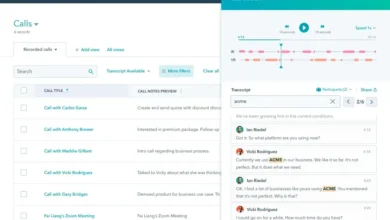
AI Conversation Expert (ACE) for Enhanced Visibility and Compliance: ACE automatically captures and summarizes every interaction, generating transcripts and identifying key insights. This robust documentation is invaluable for audits, regulatory compliance, and dispute resolution. Furthermore, ACE provides real-time analytics and dashboards, giving center directors unprecedented visibility into call patterns, agent performance, and areas for service improvement. This data-driven approach allows for continuous refinement of processes and training. 811 centers operate in a high-risk environment where meticulous notification records are vital for audits, training, and service review, making these summaries and transcripts indispensable.
-
Unified Communication and Collaboration (RingEX): Beyond inbound call handling, an integrated platform facilitates seamless internal communication among 811 staff and external coordination with utility partners. Features like secure messaging, video conferencing, and SMS capabilities enable rapid information sharing, collaborative problem-solving, and efficient dispatch of resources. This unified approach breaks down communication silos, ensuring that all stakeholders are connected and informed.
-
SMS Support for Modern Engagement: Offering SMS as a communication channel caters to modern preferences and provides an alternative for routine inquiries, status updates, or even initial emergency reporting, further diversifying and enhancing accessibility for excavators. This also reduces pressure on voice lines during peak times.
A Day in the Life: Modernized 811 Engagement in Practice
To illustrate the profound impact of these technologies, consider how a high-volume spring Monday morning might unfold at a state 811 center equipped with an AI-powered communication platform:
-
6:00 a.m. – Proactive Information Dissemination: Before live agents officially begin their shifts, inbound calls from excavators preparing to start work at 7:00 a.m. begin to arrive. The AI Receptionist (AIR) immediately answers each call. Leveraging its integrated knowledge base and access to utility databases, AIR quickly pulls up relevant information, confirms ticket statuses, and provides estimated locate completion times. There’s no hold music, no voicemail, and no missed opportunities for critical pre-dig confirmations. Excavators receive immediate, accurate answers, allowing them to plan their day with confidence. For callers with more intricate questions, AIR proactively offers a callback option when live agents become available at 7:00 a.m., with their specific inquiry already summarized and queued for the agent, minimizing the agent’s initial information gathering time.
-
8:30 a.m. – Emergency Triage and Rapid Response: A contractor calls in reporting an emergency: they have unexpectedly encountered an unmarked line during excavation near a critical gas distribution area. AIR, trained on natural language understanding, immediately recognizes the urgency from phrases like "I think I may have hit something" or "emergency near gas line." The system bypasses standard queues and routes the call directly to a specialized live agent designated for emergencies. Crucially, the agent receives a screen pop with the caller’s location, the nature of the concern, and their complete ticket history within seconds of answering. This immediate context empowers the agent to initiate a coordinated, rapid response—contacting emergency services, utility owners, and providing critical guidance to the caller—all while the entire interaction is automatically documented by the AI Conversation Expert (ACE).
-
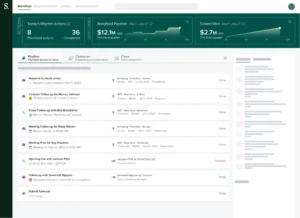
Throughout the Day – Continuous Improvement and Operational Insight: As the day progresses, ACE continuously captures and analyzes summaries of every interaction. A center director reviewing the morning’s activity might observe that a particular question about "Utility X’s estimated locate time" was asked with unusual frequency. This insight signals that the utility’s provided timeframe might be unclear or inconsistent for excavators. Armed with this data, the director can proactively update AIR’s knowledge base to provide a more precise and helpful answer, or even collaborate with Utility X to clarify their messaging. This feedback loop systematically reduces repeat calls for the same issue, enhances the accuracy of information provided, and continuously improves the overall excavator experience.
-
End of Day – Comprehensive Documentation and Audit Readiness: By the close of business, the entire interaction log – encompassing every call, every AI interaction, every escalation, and any SMS follow-up – is readily available. This comprehensive, searchable record is invaluable for audit purposes, staff training reviews, and regulatory reporting. The meticulous documentation ensures nothing is missed, providing an irrefutable account of actions taken and information exchanged, significantly reducing liability risks and fostering a culture of accountability.
Beyond Efficiency: Broader Implications of Enhanced 811 Systems
The impact of modernizing 811 call centers with AI extends far beyond mere operational efficiency. It represents a significant stride in enhancing public safety infrastructure and fostering greater resilience within communities.
- Enhanced Public Safety: The primary implication is a direct improvement in public safety. By reducing the likelihood of utility strikes, AI-powered systems save lives, prevent injuries, and mitigate environmental hazards. This contributes to safer working conditions for excavators and a safer living environment for residents, reinforcing the core mission of 811.
- Economic Stability and Infrastructure Resilience: Fewer utility strikes mean less damage to critical infrastructure, which translates to lower repair costs for utilities, reduced service interruptions for consumers and businesses, and a more robust, reliable infrastructure network. This economic stability is crucial for local and national economies, safeguarding essential services.
- Optimized Resource Allocation: By automating routine tasks, AI frees up highly trained human agents to focus on complex, sensitive, or emergency situations where their expertise is most needed. This optimizes human resource allocation, making lean teams more effective and reducing burnout, leading to higher job satisfaction among agents.
- Improved Constituent Experience: Excavators and utility partners benefit from faster, more accurate, and more consistent responses, leading to greater satisfaction and improved adherence to "call before you dig" regulations. The ease of access and reliability of information foster stronger compliance, a critical factor in damage prevention.
- Data-Driven Decision Making: The rich analytics and conversational intelligence provided by AI empower 811 center leadership with actionable insights. This data allows for continuous process improvement, targeted training, and strategic planning, moving centers from reactive to proactive management of potential risks.
- Adaptability to Future Demands: As urban development continues and new technologies (e.g., smart city infrastructure, autonomous vehicles) introduce new complexities to underground networks, modern AI systems offer the flexibility and scalability needed to adapt to evolving
Related posts: