The Strategic Advantage of Social Listening: Moving Beyond Brand Monitoring in the Digital Age


Have you ever had that eerie feeling of entering a room and just knowing people have been talking about you? In the modern digital landscape, this experience is a daily reality for virtually every consumer-facing brand. Whether it is an enthusiastic product recommendation in an Instagram Story, a scathing critique in a TikTok comment section, or an unfiltered discussion on a Reddit thread, consumers are constantly generating data about your company. Often, these conversations occur without a direct tag or mention, leaving your brand’s notification dashboard blind to the majority of public sentiment.
This disconnect is where the practice of social listening becomes essential. While social media monitoring has long been a staple of customer service departments, social listening represents a sophisticated evolution in data analysis. It is the systematic process of tracking, aggregating, and interpreting the unfiltered opinions shared across the social web regarding your brand, your competitors, and your broader industry. By acting as a "fly on the wall," organizations can move from reactive engagement to proactive strategic development.
The Core Distinction: Monitoring vs. Listening
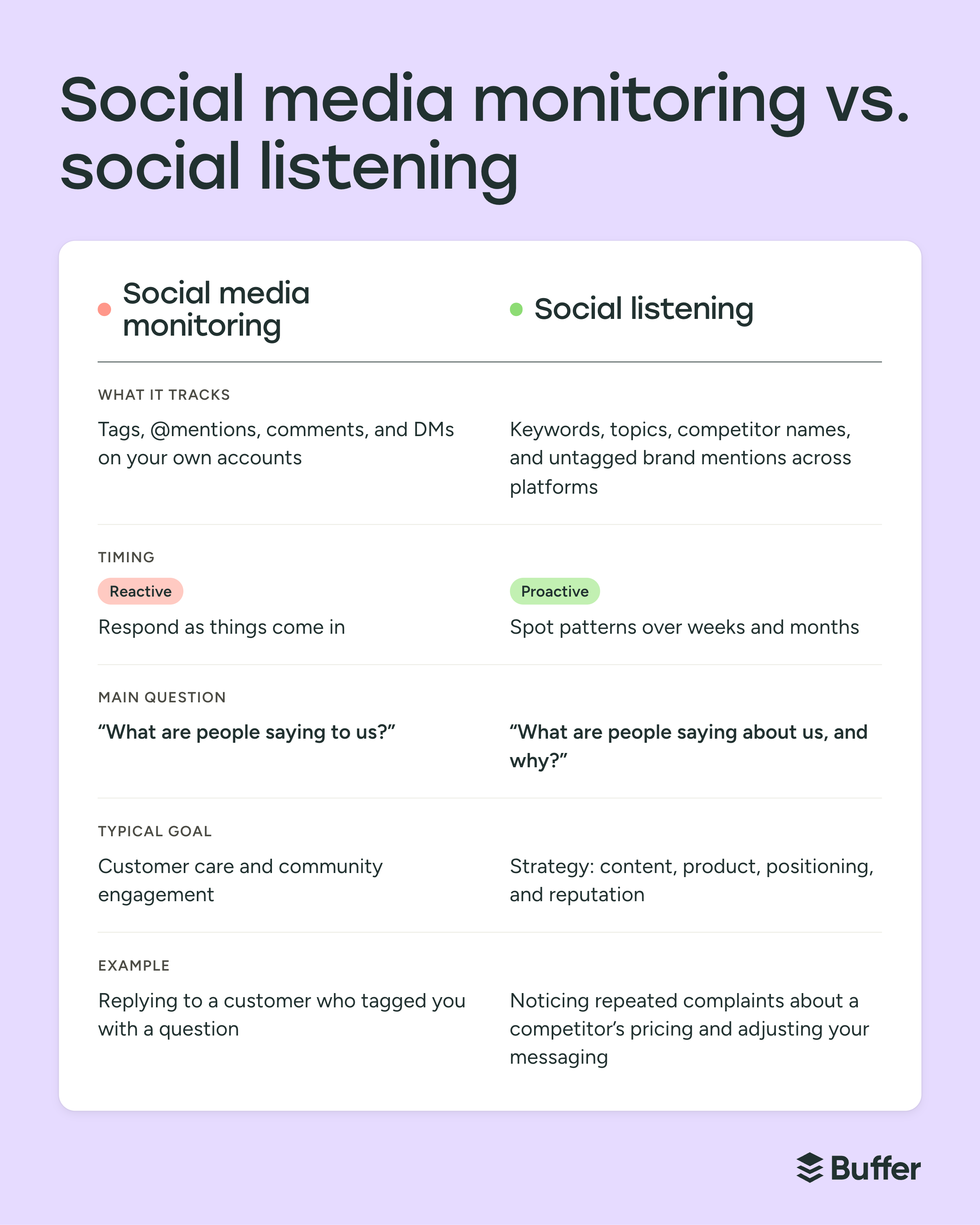
To understand the business value of this practice, one must first distinguish between social media monitoring and social media listening. Social media monitoring is primarily tactical and reactive. It involves tracking direct brand mentions, tags, and direct messages to facilitate customer support. If a customer tweets a complaint at your handle, monitoring allows you to respond in real time. It is a baseline requirement for modern brand reputation management.

Social listening, conversely, is analytical and strategic. It requires the aggregation of hundreds or thousands of data points to identify emerging patterns, shifts in sentiment, and unmet market needs. If monitoring is the act of answering a single customer’s question about shoe sizing, listening is the act of noticing that 15% of your customers are complaining about the fit across multiple platforms, then relaying that data to your product development team to adjust the manufacturing specs.
The Evolution of Consumer Insight
The shift toward social listening is driven by the sheer volume of "dark social" interaction—conversations that happen in private or un-tagged public spaces. According to recent industry benchmarks, a significant majority of brand-related conversations occur without a formal mention. For brands relying solely on notification bells, this creates an echo chamber that excludes the perspectives of potential customers, disenchanted former users, and industry observers.
By deploying listening strategies, companies can achieve five critical business outcomes: deeper audience insights, brand reputation protection, early trend detection, accelerated product development, and competitive intelligence.
The Power of Proactive Strategy: Case Studies in Action
History provides several examples of how brands have successfully pivoted their strategies based on social listening data. Consider the case of Grillo’s Pickles. The brand frequently encountered anecdotal complaints from consumers regarding the functionality of its jar lids, which were prone to leaking and difficult to open. By monitoring the frequency of these complaints on social platforms, the company realized this was not an isolated incident but a systemic pain point. Consequently, the brand invested in a complete redesign, moving to a user-friendly twist-off lid. The result was a measurable increase in customer satisfaction and a reduction in negative feedback.
Similarly, Crayola demonstrated the value of listening to nostalgic sentiment. For years, the company faced a persistent stream of requests from fans asking for the return of retired crayon colors. By tracking the volume and sentiment of these requests, the brand’s marketing team was able to curate a "colorful reunion," bringing back eight retired shades. The campaign was highly effective, as it was built upon existing consumer demand rather than internal marketing assumptions.
Perhaps the most compelling example of industry disruption via social listening is the case of Sprite. The brand observed a growing trend on TikTok—specifically within the "FoodTok" community—where consumers were experimenting with adding tea bags to their soda. Recognizing this as an organic, consumer-driven innovation, Sprite acted quickly to formalize the trend into a legitimate product launch, "Sprite + Tea." This move allowed the company to capture a segment of the market that was already proving it had an appetite for the flavor profile.
Building a Social Listening Infrastructure
Implementing a successful social listening strategy requires more than just curiosity; it requires a structured framework. The process typically involves five iterative stages:
-
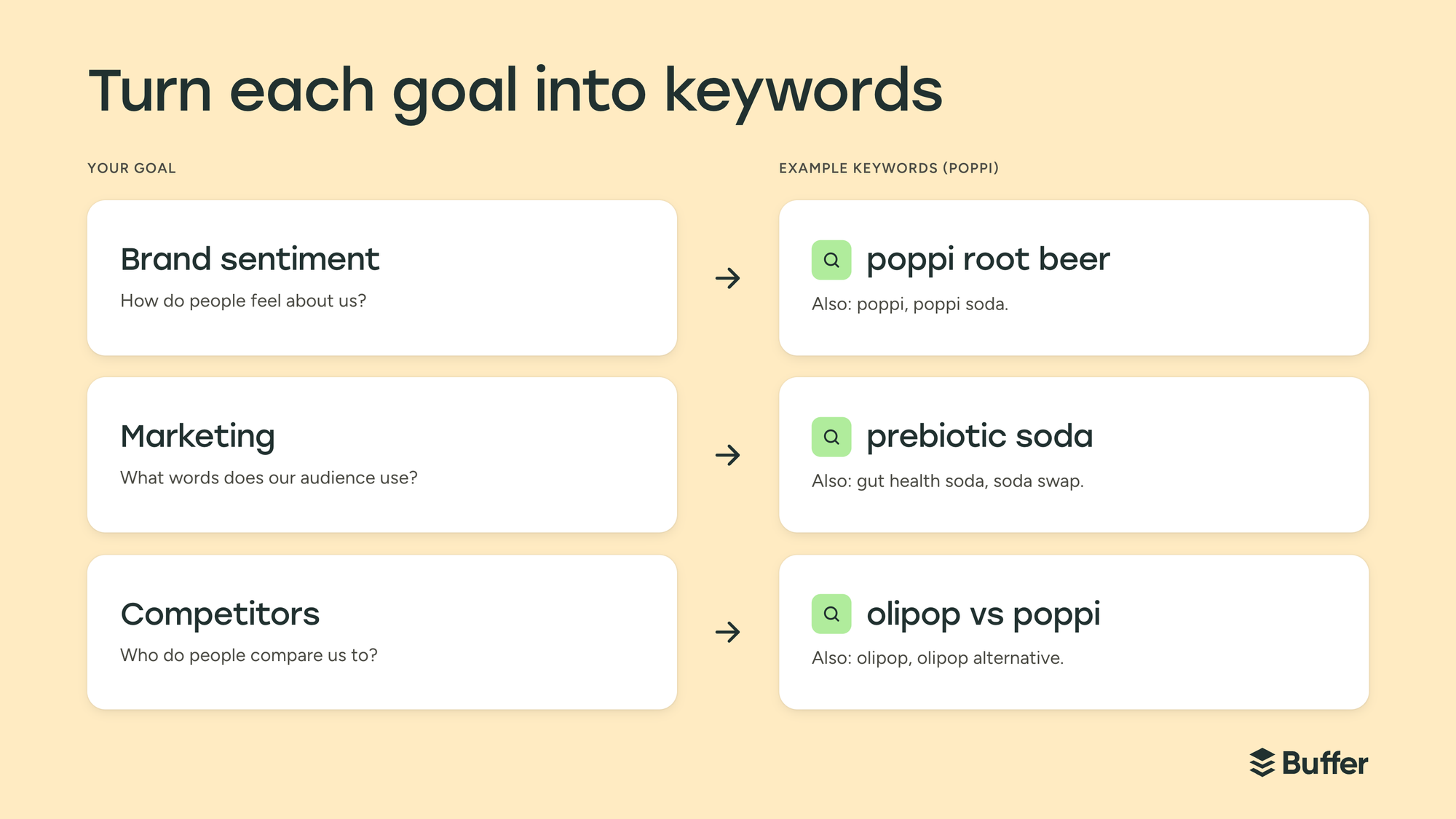
Setting Concrete Objectives: Before diving into data, brands must define what they hope to learn. Is the goal to improve product quality, understand competitor pricing, or identify new content themes? Clear objectives dictate which keywords should be prioritized.
-
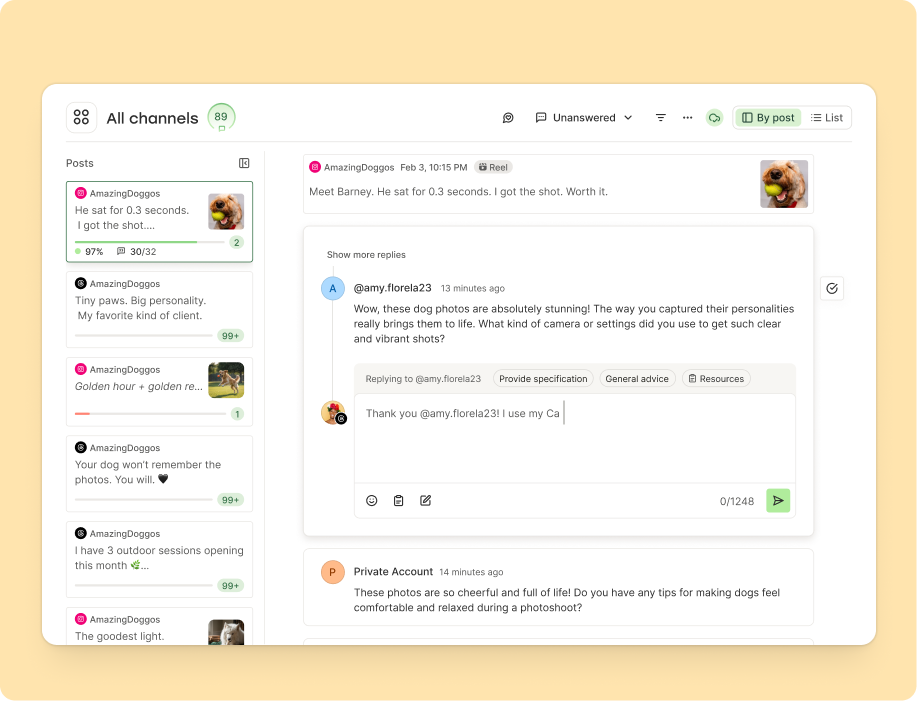
Establishing a Baseline with Internal Data: The first step in listening is to look at your own front yard. Aggregating comments and direct messages across all social channels into a single management platform—such as Buffer or other enterprise-level tools—allows for the detection of initial themes.
-
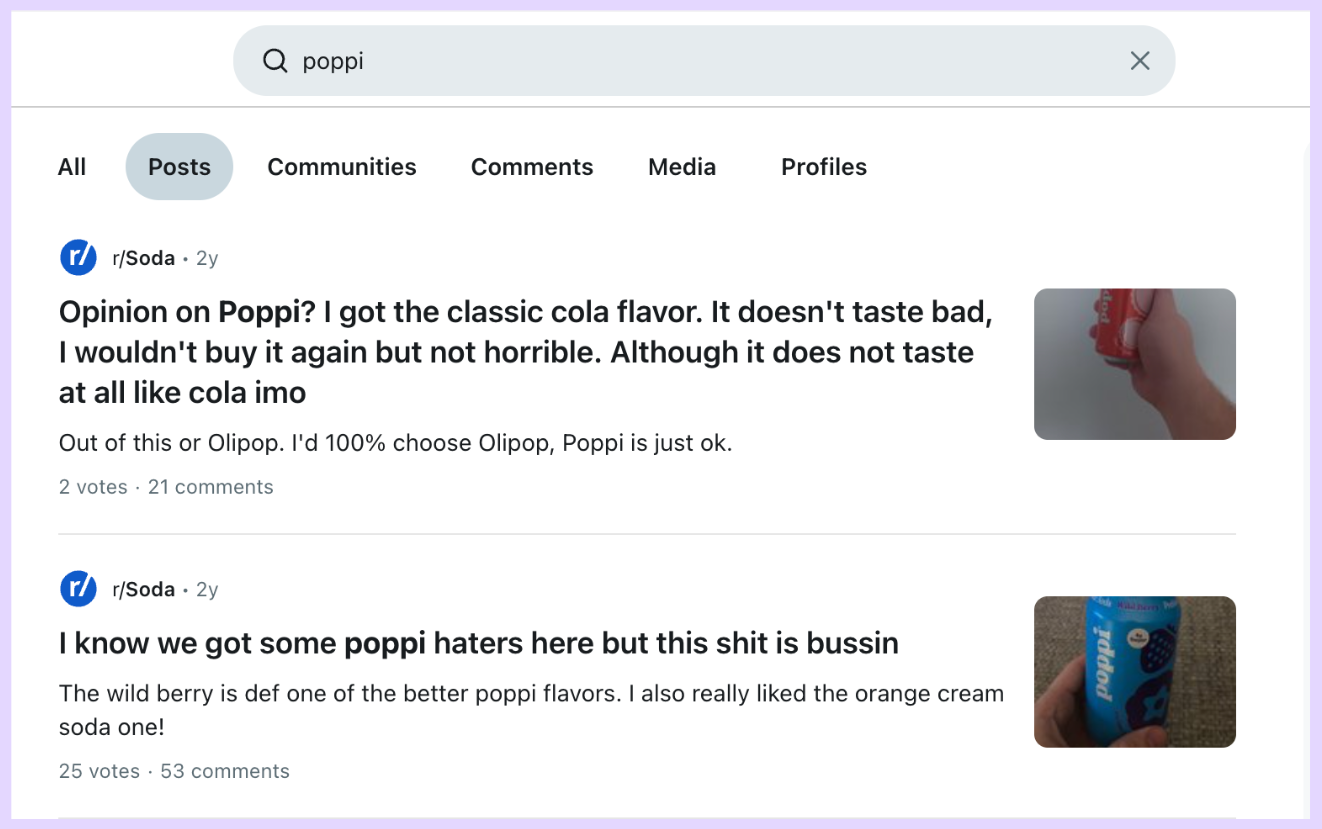
Keyword and Topic Mapping: Once internal channels are organized, teams should identify external keywords. This includes the brand name, common misspellings (a frequent oversight), competitor names, and industry-specific jargon. It is vital to monitor spaces where high-intent conversations occur, such as niche subreddits or specialized forums, rather than just the "mainstream" feeds.
-
Utilizing Analytical Tools: Manual searching is inefficient at scale. Professional social listening tools act as data aggregators that collect, filter, and analyze public posts. These tools typically offer sentiment analysis, helping to categorize whether a conversation is positive, negative, or neutral. However, human oversight remains critical. Software can struggle with the nuances of sarcasm, regional slang, or evolving cultural context.
-
Synthesizing Data into Action: The final and most important step is the translation of insights into strategy. Data that is not acted upon is merely noise. Whether it involves modifying a product feature, adjusting a marketing tone to match current consumer language, or engaging in crisis management, the goal is to bridge the gap between "what is being said" and "what we will do about it."
The Role of Human Judgment in Data Analysis
While automation provides the scale, human intuition provides the nuance. An AI-powered sentiment analysis tool might flag a post as "negative" because it contains the word "terrible." A human reviewer, however, might recognize that the user is being ironic, perhaps saying, "The new packaging is so ‘terrible’—I can’t stop staring at how beautiful it is." This human layer of analysis is what prevents brands from overreacting to data noise.
Furthermore, social listening serves as an early warning system for public relations crises. By monitoring spikes in negative sentiment or the emergence of specific, recurring complaints, companies can address grievances before they reach a critical mass. This is the difference between a brand that is perceived as being "in touch" and one that is viewed as out of sync with its audience.
Conclusion: A Continuous Cycle of Improvement
Social listening is not a one-time project; it is a permanent operational mindset. In an era where consumers possess the tools to broadcast their opinions to millions, the ability to listen effectively is a competitive advantage. It moves a brand from a state of broadcasting at its audience to participating in a dialogue with them.
As organizations refine their listening practices, they will find that the most valuable insights often come from the places they were not previously looking. By consistently tracking the broader digital conversation, brands can ensure their product roadmaps, marketing messages, and customer experiences are grounded in reality rather than assumption. The companies that thrive in the coming decade will be those that realize the most important part of social media is not the "media," but the "social" aspect—the act of listening to the community and responding with tangible, meaningful change.
Related posts: