The B2B Paid Marketing Paradox: Why AI Made Production Free But Scaling Remains Elusive

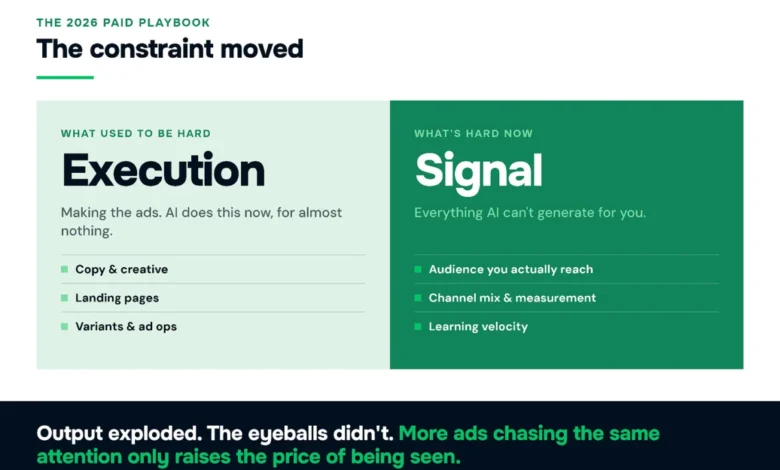
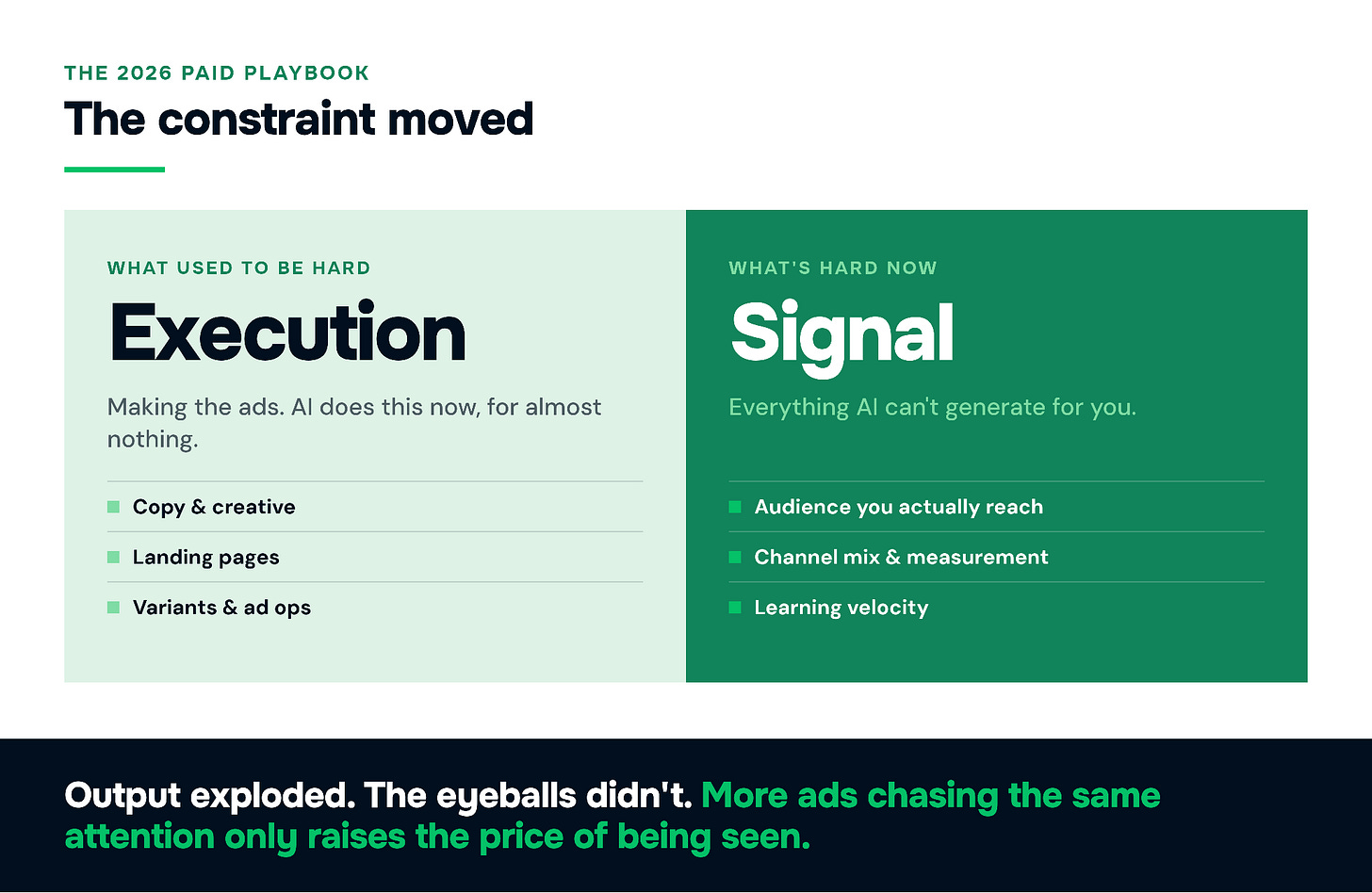
The advent of artificial intelligence has profoundly reshaped the operational landscape of paid marketing, rendering many aspects of content production—from generating compelling copy and diverse creative variants to designing effective landing pages and streamlining ad operations—virtually costless. This technological revolution has dramatically lowered the barrier to entry for content creation, allowing businesses to flood digital channels with unprecedented volumes of marketing material. Paradoxically, despite these significant reductions in production expenses, most B2B paid marketing programs have shown little improvement in scalability over the past three years. This stagnation points to a fundamental shift in the core constraint governing paid marketing success. The challenge is no longer about producing enough content, but rather about capturing and retaining finite human attention in an increasingly crowded digital ecosystem. AI has glutted existing channels with an abundance of content, much of which is, by its very nature, mediocre, leading to an inflation of ad prices as more advertisers vie for the same limited pool of consumer eyeballs. Consequently, the true differentiator in paid marketing has moved beyond mere creative output. Success now hinges on sophisticated audience targeting, strategic channel selection, rigorous measurement methodologies, and the agility to learn and adapt at an accelerated pace. This comprehensive analysis will break down these critical shifts into three core areas: developing an uncopiable audience layer, a channel-by-channel assessment of effective strategies, and the transformative future of AI in this evolving domain.
Part 1: The Uncopiable Audience Layer – Building Durable Advantage in Paid Marketing
In the contemporary digital advertising landscape, where AI democratizes content creation, the most robust and difficult-to-replicate competitive advantage lies in precision audience targeting. Unlike creative assets, messaging frameworks, or even channel strategies, the intricate details of a competitor’s targeting parameters remain largely opaque, making a well-defined audience strategy a truly durable moat in paid marketing.
Crafting a Unified ICP for Cross-Platform Dominance
Advertising platforms are inherently designed to optimize within their proprietary data ecosystems. They typically lack a comprehensive understanding of an organization’s true Ideal Customer Profile (ICP), including which specific job titles consistently convert into high-value customers, nuanced win-loss rates across various customer segments, the identities of existing clients, or prospects lost to competitors. This crucial business intelligence, or "signal," must be actively and intentionally integrated into advertising platforms. The recommended strategy involves constructing a single, meticulously defined ICP audience, which is then enriched with proprietary Customer Relationship Management (CRM) data to exclude current customers, known competitors, and unqualified leads. This refined audience should then be consistently synchronized across all major advertising channels, including Meta (Facebook, Instagram), Google (Search, Display, YouTube), LinkedIn, and even emerging platforms like Reddit. Maintaining uniformity in audience definition and exclusion criteria across all channels ensures that the algorithms receive a high-quality, consistent signal. Relying solely on platform algorithms to optimize for generic metrics like "form submits" without feeding them deeper CRM conversion data risks generating a high volume of low-quality leads. Meta’s algorithm, in particular, has demonstrated significant advancements in leveraging CRM conversion data for optimization, making a strategy of targeting a "small audience with high penetration" increasingly effective, especially on platforms like LinkedIn, over broad, less focused campaigns.
Unlocking Cheaper Channels Through Identity Resolution
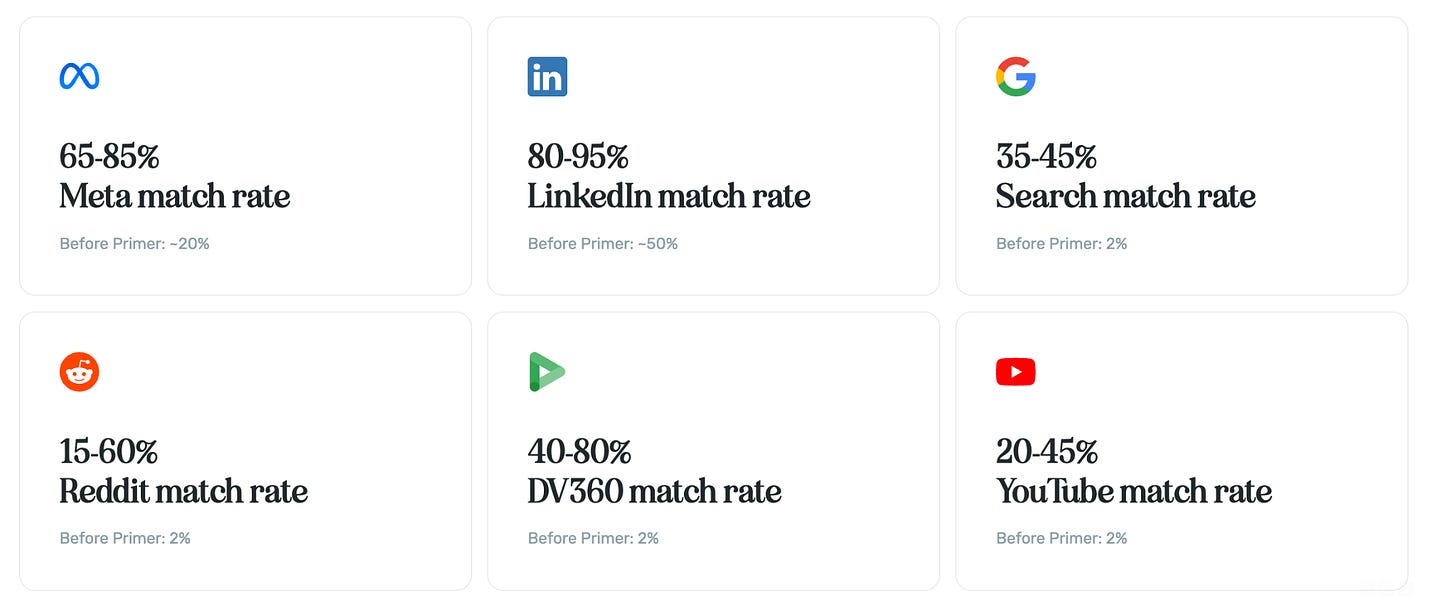
A significant barrier preventing many B2B teams from effectively utilizing more cost-efficient channels such as Meta and Reddit has been the challenge of identity resolution. When a list of work emails is uploaded to these platforms, the resulting match rates are often dismally low, typically ranging from 2% to 10%, primarily because users generally register with personal email addresses. The strategic breakthrough here involves enriching these B2B audience lists with B2C identifiers, such as personal email addresses and mobile phone numbers, obtained from consent-compliant data sources. Reports from early adopters and platforms like Primer indicate a dramatic improvement: Meta match rates, for instance, can surge from an average of 10-20% to over 75%. This transformation has rendered previously underperforming campaigns viable
Related posts: