The Ultimate Guide to Social Commerce: How Brands Are Capitalizing on In-App Shopping in 2022 and Beyond


Global ecommerce sales are projected to reach $5.5 trillion worldwide, underscoring the rapid digital transformation of retail economies across international markets. While traditional web-based storefronts powered by platforms like Shopify and WooCommerce continue to capture significant market share, the digital retail landscape is experiencing a paradigm shift toward direct, in-app transactions. This evolution has birthed social commerce—a business model that bridges the gap between social media discovery and transactional finalization without requiring users to navigate away from their preferred applications.
Understanding Social Commerce and Its Mechanics

Social commerce is defined as the process of buying and selling products and services directly within social media platforms. Unlike conventional ecommerce, which relies on driving traffic from social channels to external websites, social commerce integrates the entire purchasing funnel into the social network interface.
The mechanism relies on reducing friction in the buyer’s journey. For instance, a user scrolling through an Instagram feed who discovers a pair of apparel items can select a integrated "Shop Now" button, add the merchandise to an in-app cart, and complete payment credentials securely without ever launching an external web browser. Similarly, viral product recommendations popularized on platforms like TikTok allow users to purchase featured items instantly and resume video consumption immediately afterward. This streamlined approach represents a fundamental evolution from passive content consumption to active, immediate purchasing.
Differentiating Social Commerce, Ecommerce, and Social Selling

Industry terminology often conflates distinct operational strategies, necessitating clear distinctions among social commerce, traditional ecommerce, and social selling.
Ecommerce remains the overarching umbrella term for commercial transactions conducted electronically over the internet via dedicated online stores, digital marketplaces, or branded mobile applications. Social commerce is a specialized subset of ecommerce occurring exclusively within social network ecosystems.
Conversely, social selling is an interpersonal sales technique rather than a transactional model. It involves sales representatives and brands building organic relationships on social media platforms to nurture prospective clients, generate leads, and establish trust, typically culminating in a sale on an external site rather than directly within the social app.

Five Strategic Drivers for Adopting Social Commerce
Market adoption of social commerce has accelerated due to measurable operational advantages for modern enterprises. Brand leaders and independent merchants are increasingly integrating social shops into their omnichannel strategies for several foundational reasons.
First, social commerce inherently enhances consumer interactivity. Traditional online shopping can feel sterile, whereas social platforms allow shoppers to comment publicly on products, tag peers for recommendations, and engage in real-time dialogue with brand representatives. This dynamic mirrors the social aspects of a physical shopping mall within a digital framework.
Second, demographic preferences strongly favor mobile-first, social purchasing habits. According to data compiled by Statista, approximately 62 percent of U.S. consumers aged 18 to 34 have completed a purchase influenced directly by branded social media posts or content created by digital influencers. Capturing this digitally native demographic requires a direct presence where these cohorts spend their time.
Third, the elimination of checkout friction directly combats cart abandonment. Traditional ecommerce requires consumers to navigate from an advertisement to an external landing page, register an account, input shipping details, and manually enter credit card information. Each step introduces potential drop-off points. Social commerce condenses these steps into a singular click-to-buy action.
Fourth, social channels function as organic, real-time focus groups. Brands operating natively on social platforms receive immediate, unfiltered feedback via comments, direct messages, and engagement metrics. This data stream informs product development, inventory management, and marketing iterations without requiring expensive, formal consumer research initiatives.

Fifth, advanced data analytics enable hyper-targeted audience acquisition. Social media algorithms possess granular insights into user behavior, intent, and preferences. Brands can deploy dynamic advertising to place ready-to-buy merchandise precisely in front of high-intent consumers actively seeking complementary solutions.
Major Platforms Leading the Social Commerce Ecosystem
As the market expands, several leading social media networks have established robust infrastructural frameworks to support in-app retail transactions.
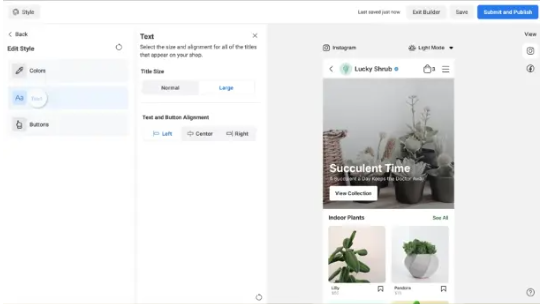
Facebook Shops remains a foundational tool for merchants seeking customizable, free-to-setup storefronts. Businesses can curate collections, align visual branding elements with corporate identities, and sync product catalogs directly from major ecommerce partner platforms or via spreadsheet uploads. Customer conversions can occur via in-app checkouts, website redirects, or direct communication through Messenger. To manage high volumes of customer inquiries regarding shipping and inventory, businesses frequently deploy conversational AI tools such as Heyday by Hootsuite to automate repetitive customer service tasks.
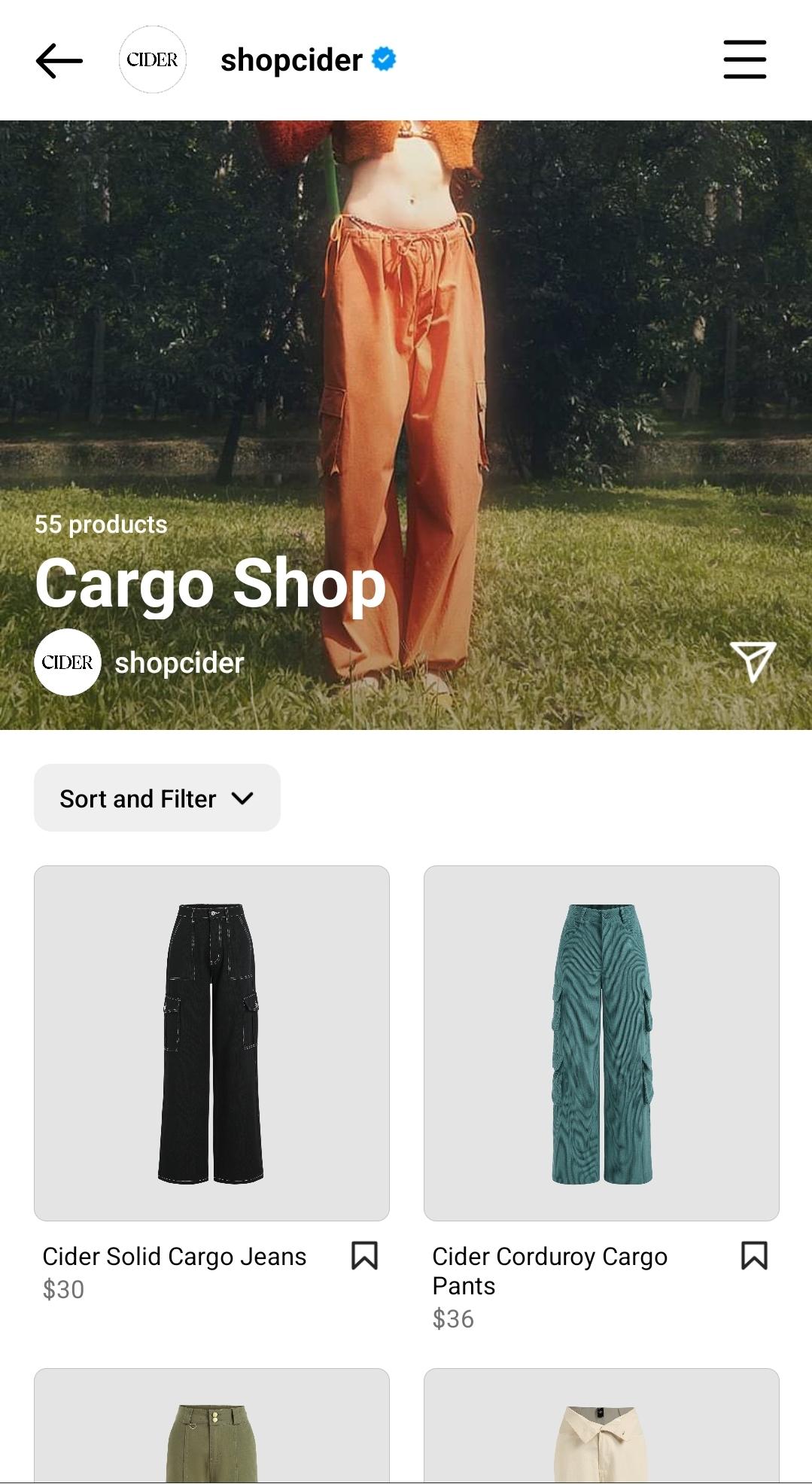
Instagram Shops functions similarly by linking business profiles to Facebook backend infrastructure. Merchandising assets can be tagged directly within organic grid posts, Stories, Reels, and live-stream broadcasts, culminating in recently introduced capabilities that facilitate direct purchases entirely within direct messaging threads.
Pinterest has long capitalized on user intent, with 89 percent of its active user base utilizing the platform specifically for purchase inspiration. Through Product Pins, U.S.-based consumers can execute direct in-app transactions using integrated buy buttons, while international users are directed to optimized external landing pages, leveraging Pinterest’s powerful search engine capabilities.

TikTok has revolutionized product discovery through viral community engagement, evidenced by the multi-billion-view milestone of the hashtag #TikTokMadeMeBuyIt. TikTok Shop offers merchants localized affiliate marketing, live-stream shopping, and direct product showcases, though platform rollout strategies remain geographically nuanced, maintaining primary availability across Asian and select Western markets.
Strategic Best Practices for Maximizing Social Commerce Revenue
Deploying a social storefront is merely the initial phase of a successful social commerce strategy. Brands must execute deliberate operational tactics to maximize conversion rates and revenue generation.

Active social listening is paramount. Monitoring audience sentiment, feedback, and industry trends across all channels ensures businesses remain attuned to consumer needs. Utilizing centralized social media management dashboards allows brands to track mentions and respond promptly to customer service inquiries.
Maintaining authentic engagement is equally critical. Social commerce succeeds when brands transcend static catalog displays by fostering two-way conversations, providing genuine entertainment, and demonstrating corporate transparency.
Collecting and displaying robust social proof directly influences conversion metrics. Industry research indicates that an overwhelming majority of online shoppers consult product reviews prior to finalizing purchases. Brands must actively solicit testimonials via automated post-purchase email sequences or incentivized feedback programs, subsequently amplifying user-generated content across social feeds and marketing campaigns.
Finally, integrating advanced automation technology ensures scalable customer support. Implementing conversational AI chatbots allows companies to manage peak inquiry volumes efficiently, providing instant updates on order tracking, stock replenishment, and pricing queries while routing complex issues to human support teams, thereby safeguarding potential sales against cart abandonment.
Implications and Future Outlook of Digital Retail
The accelerated maturation of social commerce signals a permanent convergence of entertainment, communication, and digital retail. As social platforms continue refining native payment infrastructures and expanding global operational footprints, the boundary between discovering a product and owning it will narrow further. For modern enterprises, adapting to this frictionless paradigm is no longer an experimental marketing strategy, but a fundamental prerequisite for sustaining competitiveness in the modern digital economy.