Beyond the Screen: How RingCentral Bulgaria is Redefining Workplace Culture Through Community Engagement

The modern corporate landscape has undergone a profound transformation over the past decade, shifting away from rigid, traditional office environments toward dynamic spaces that prioritize human connection, employee well-being, and community engagement. At the forefront of this evolution is RingCentral Bulgaria, a prominent subsidiary of the global enterprise cloud communications leader. While the corporation’s overarching mission centers on bridging communication gaps worldwide, the Sofia-based branch has increasingly turned its focus inward, fostering a robust internal culture that redefines how employees interact beyond their daily workflows. Throughout the month of August, the Sofia office orchestrated a comprehensive series of engagement initiatives designed to step away from digital screens, challenge physical limits, and celebrate peer recognition, providing a compelling case study in modern corporate culture management.
The strategic push toward localized community-building comes at a time when workplace retention and employee satisfaction are paramount for tech sector employers. Industry analysts note that hybrid and remote work models, while offering unprecedented flexibility, can occasionally contribute to feelings of professional isolation. To counter this, forward-thinking organizations are investing heavily in structured team-building programs, wellness initiatives, and peer-to-peer recognition frameworks. RingCentral Bulgaria’s August calendar serves as a prime example of this holistic approach, seamlessly blending physical endurance challenges, casual social gatherings, and formal appreciation programs to cultivate a resilient and cohesive workforce.
At the heart of the office’s cultural framework lies a deep commitment to peer recognition, operationalized through the company’s internal Kudos program. Designed to encourage meaningful feedback and visible appreciation among team members, the program addresses a fundamental psychological need in the workplace: the desire for validation and acknowledgment of hard work. Studies in organizational psychology consistently demonstrate that regular peer recognition significantly boosts employee morale, reduces turnover, and enhances overall productivity.
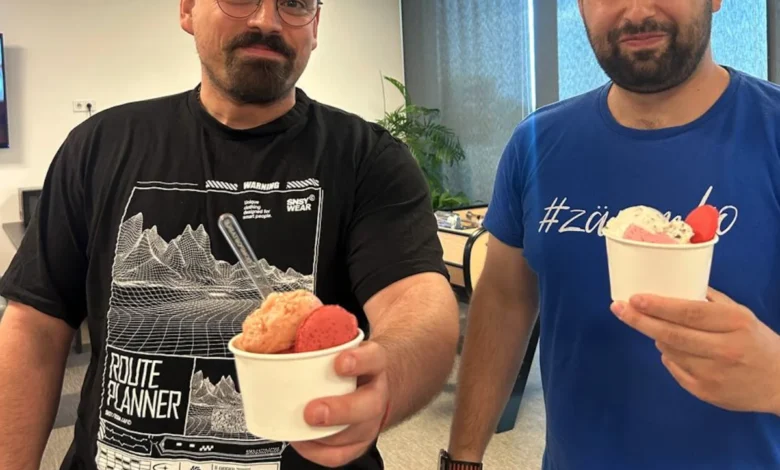
To honor the individuals who consistently go above and beyond to support their peers, the Sofia branch hosted a specialized Kudos Celebration in August. Rather than relying solely on digital badges or corporate certificates, the event incorporated a community-focused atmosphere centered around an ice cream social. This deliberate choice of a relaxed, communal setting allowed staff members to step away from their desks, engage in organic conversations, and celebrate colleagues who exemplify the company’s collaborative ethos. Leadership noted that such events reinforce positive behaviors, creating a continuous feedback loop where helpfulness and cross-functional teamwork become deeply embedded in the office DNA.
Beyond formal recognition programs, RingCentral Bulgaria placed a strong emphasis on physical wellness and team-building through athletic endeavors in August. The month’s calendar featured two distinct sporting highlights: participation in the rigorous Legion Run and a series of high-energy football matches.
The Legion Run, a globally recognized obstacle course race known for its demanding physical and mental hurdles, provided a unique crucible for team bonding. Employees volunteered to tackle mud pits, high walls, and strength-based obstacles side by side. Corporate wellness experts emphasize that shared physical challenges create a unique psychological bond among participants, breaking down hierarchical barriers and fostering mutual trust. When managers and individual contributors navigate grueling physical obstacles together, traditional corporate structures temporarily dissolve, replaced by a shared reliance on teamwork, encouragement, and mutual support.
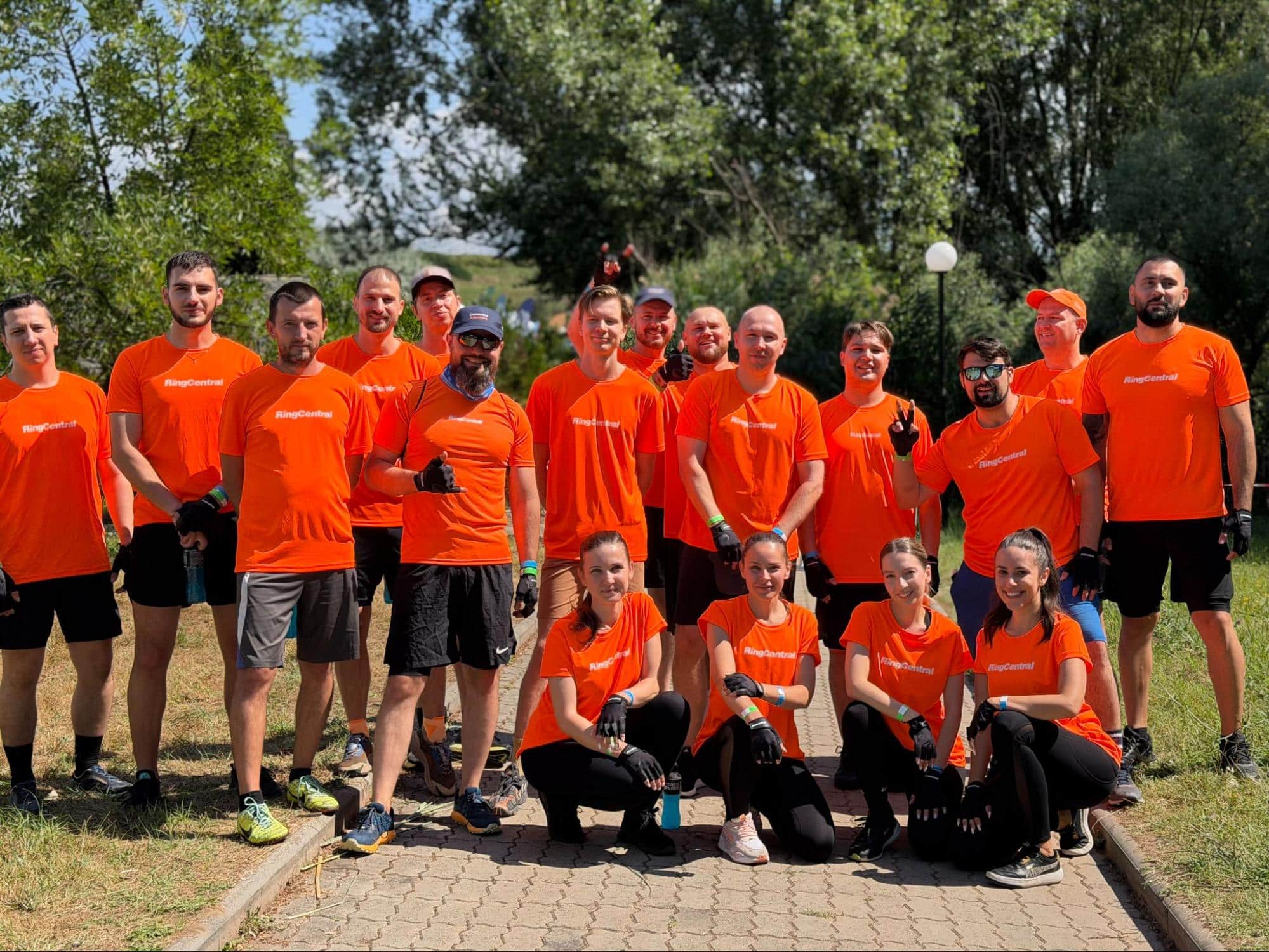
Complementing the high-intensity obstacle course were more traditional, yet equally spirited, football matches. Organized during off-hours, these friendly games offered employees a casual outlet to release work-related stress, maintain physical fitness, and enjoy camaraderie on the turf. The incorporation of sports into the corporate calendar aligns with broader public health recommendations encouraging active lifestyles among office workers, who traditionally spend the majority of their day in sedentary postures. By subsidizing or organizing these athletic pursuits, RingCentral Bulgaria actively contributes to the physical and mental well-being of its workforce.
While high-energy events and physical challenges play a crucial role in team bonding, sustainable workplace culture also requires quieter, low-pressure spaces for employees to unwind. Recognizing this balance, the Sofia office regularly hosts after-hours social hours designed to facilitate organic networking and relaxation.
Throughout August, these casual gatherings served as a vital decompression valve following demanding sprint cycles and project deadlines. By providing a relaxed environment where colleagues could share a cold drink and converse freely at the conclusion of a productive week, the office reinforced the notion that professional success is a collective journey. Industry observers frequently point out that informal interactions are often the genesis of cross-departmental innovation; when employees from engineering, marketing, customer support, and sales converse outside formal meeting rooms, unexpected synergies frequently emerge.
The cumulative impact of these diverse initiatives extends far beyond immediate employee satisfaction, serving as a critical differentiator in a highly competitive regional labor market. Sofia has rapidly emerged as one of Eastern Europe’s leading technology and outsourcing hubs, housing development centers for numerous multinational corporations. In such an environment, prospective talent evaluates potential employers not merely on compensation packages, but increasingly on cultural alignment, work-life balance, and community ethos.
By transparently showcasing its vibrant office life, RingCentral Bulgaria effectively positions itself as an employer of choice. The company’s leadership maintains that a workplace must be evaluated not just as a physical location where tasks are executed, but as a living ecosystem defined by the quality of human relationships shared within it. This philosophy is reflected in the steady stream of career opportunities hosted on the organization’s dedicated recruitment portal, where prospective applicants are invited to join a community focused on continuous learning, professional inspiration, and collaborative growth.
The broader implications of RingCentral Bulgaria’s cultural strategy point toward a sustainable model for the future of work. As enterprises continue to navigate the complexities of global collaboration, the necessity of anchoring remote and hybrid teams with strong local communities becomes increasingly clear. By investing in deliberate touchpoints—ranging from structured peer recognition to physical challenges and casual social mixers—the company has demonstrated that intentional culture-building yields tangible dividends in employee engagement, retention, and collective resilience.
As the corporate year progresses, the framework established by the Sofia office in August offers a replicable blueprint for organizations seeking to transcend standard human resources protocols. By prioritizing human connection at every level of the employee lifecycle, RingCentral Bulgaria continues to prove that the most effective global communication networks are built upon a foundation of genuine, everyday relationships forged locally.