Cybersecurity Risk Ratings Is Transforming Into Third-Party Cyber Risk Intelligence

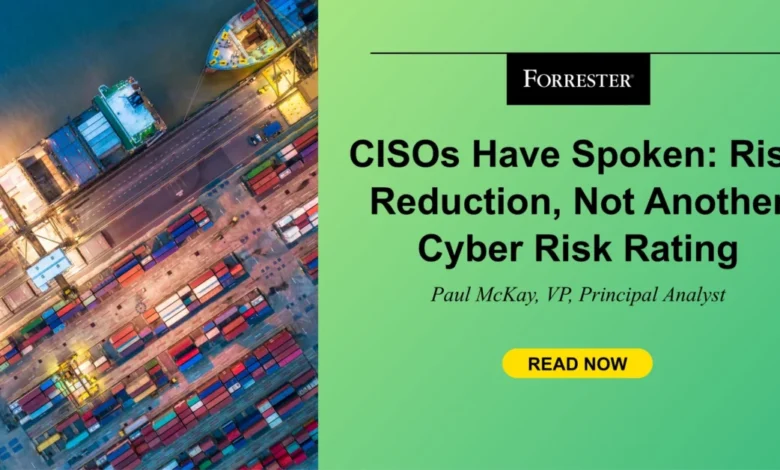
The cybersecurity industry is currently witnessing a fundamental shift in how organizations evaluate the digital integrity of their business partners, suppliers, and service providers. For nearly a decade, Cyber Risk Ratings (CRR) platforms have dominated the Third-Party Risk Management (TPRM) landscape, offering simplified, scorecard-based metrics meant to provide a "credit score" for an entity’s security posture. However, a recent analysis by Forrester indicates that this model has reached a point of saturation and diminishing returns. As CISOs grow increasingly skeptical of opaque scoring algorithms and the "noise" generated by automated scanning, the market is pivoting toward a more sophisticated paradigm: Third-Party Cyber Risk Intelligence.
The Evolution of the Third-Party Risk Landscape
To understand why the industry is moving away from traditional risk ratings, one must look at the historical trajectory of vendor assessment. In the mid-2010s, organizations struggled with the manual burden of sending out thousands of static security questionnaires to their suppliers. The advent of CRR platforms promised a revolution. By continuously monitoring the external-facing digital footprints of companies, these platforms allowed security teams to gain a real-time, albeit superficial, view of potential vulnerabilities like misconfigured servers, outdated software, or weak encryption.
By 2020, these platforms had become a staple of procurement and security departments. Yet, the rapid adoption of this technology masked deeper, systemic issues. As the digital attack surface expanded, the reliance on automated scanning proved insufficient for detecting sophisticated, modern threats. CISOs began reporting that CRR platforms were providing an abundance of due-diligence data that lacked actionable context. A low score on a scorecard did not necessarily equate to a high risk of a breach, leading to "alert fatigue" and a growing distrust in the proprietary methodologies used by ratings providers.
The Turning Point: Why Ratings Lost Their Mission
The primary critique of the CRR model is that it prioritizes "findings" over "risk reduction." In the current ecosystem, security leaders are often presented with a dashboard full of theoretical vulnerabilities. While these findings might point to a failure in a specific framework or a missing patch, they rarely account for the operational reality of the business relationship.
Forrester’s recent research, including the Cybersecurity Risk Ratings Platforms, Q2 2026 report, highlights a plateau in adoption. Growth in the CRR market has stalled because the current offerings are failing to deliver the "so what" that CISOs demand. When a rating changes from a B+ to a B, it rarely triggers a meaningful conversation between a client and their vendor. Instead, it creates administrative friction and creates a culture of compliance rather than security.
Furthermore, the integration of Artificial Intelligence into these platforms has exacerbated the issue. While AI can process vast amounts of data, it has often resulted in a flood of false positives. CISOs are now tasked with filtering through more data than ever, without a corresponding increase in their ability to remediate the risks that actually matter to their organization.
Defining Third-Party Cyber Risk Intelligence
As the industry transitions, the definition of success is shifting. Forrester defines Third-Party Cyber Risk Intelligence as the integration of three distinct pillars: traditional cybersecurity risk management practices (questionnaires and control assessments), operational context, and real-time threat intelligence.
Unlike the static scores of the past, this new approach is designed to:
- Identify Exploitable Risks: Rather than flagging every potential vulnerability, the intelligence layer focuses on threats that are actively being targeted by adversaries.
- Contextualize Remediation: Intelligence must be mapped to the specific business context of the third party. If a vendor is not part of the critical path for a company’s revenue stream, the urgency of the risk is categorized differently.
- Operationalize Data: The goal is to move from passive monitoring to active, corrective action planning. This requires platforms to support the full lifecycle of TPRM, including the remediation management phase, which was previously treated as an "out of scope" activity for many ratings providers.
The Three-Year Horizon: A Strategic Shift
For security and risk leaders, the next three years will be defined by the transition from passive evaluation to active risk reduction. This evolution is expected to manifest in several key areas.
First, the integration of Security Operations Center (SOC) data with TPRM workflows is becoming essential. Historically, these two functions operated in silos—the SOC focused on the internal network, while TPRM focused on vendor onboarding. The new intelligence-led model aims to unite these teams by providing a shared view of third-party security issues that could impact the internal environment.
Second, the market for CRR platforms will likely consolidate or evolve into "Third-Party Risk Intelligence" suites. Providers that fail to add deep threat intelligence and remediation capabilities will likely be sidelined as organizations move toward solutions that offer measurable, risk-based outcomes.
Third, the focus of the CISO will shift from managing questionnaires to managing outcomes. By combining technical operational data with vendor-provided due diligence, organizations can create a more holistic view of their supply chain. This allows for a more targeted allocation of resources, focusing on the vendors that pose the greatest material risk to the business.
Supporting Data and Market Implications
Recent industry surveys reflect this sentiment of change. According to data from various risk management studies, over 60% of CISOs believe that their current third-party monitoring tools do not provide enough actionable information to influence vendor behavior. Furthermore, the cost of managing "false alarms" generated by generic scanning tools is estimated to cost large enterprises millions of dollars annually in wasted analyst hours.
The shift toward "intelligence" rather than "ratings" is also a reaction to the changing regulatory environment. Global regulations such as the EU’s DORA (Digital Operational Resilience Act) and various SEC cybersecurity disclosure requirements place a higher burden on companies to demonstrate how they are managing the security of their supply chain. A simple score is no longer a sufficient answer for auditors or regulators; organizations must prove that they have identified, evaluated, and actively addressed the risks posed by their digital ecosystem.
Analysis: What This Means for the Future of TPRM
The implications of this shift are profound. For vendors, the era of "scorecard management"—where companies prioritize improving their score through cosmetic changes—is ending. In its place, vendors will be expected to demonstrate a commitment to continuous, verifiable security improvement.
For the enterprise, the transition requires a cultural shift. Risk leaders must move away from the "set it and forget it" mentality associated with subscription-based risk ratings. Instead, they must invest in processes that allow for continuous dialogue with their supply chain. This means building internal capabilities to interpret threat intelligence and developing the technical workflows necessary to drive remediation.
The transformation from Cyber Risk Ratings to Third-Party Cyber Risk Intelligence represents a maturation of the cybersecurity industry. It acknowledges that in a hyper-connected global economy, security is not a metric to be displayed on a dashboard, but a collaborative process that must be continuously maintained. As the market moves forward, the winners will be those who can provide not just data, but the clarity and tools required to turn that data into genuine, measurable risk reduction.
Conclusion
The plateau in the CRR market is not a sign of a dying industry, but a necessary correction. By moving toward intelligence-driven risk management, organizations can finally address the limitations of the past decade and build a more resilient foundation for their supply chains. The next three years will be critical for security leaders as they dismantle the status quo of their TPRM programs and embrace a future where intelligence, context, and action define the standard of excellence. For those willing to evolve, the payoff will be a significant increase in the effectiveness of their third-party risk strategies and a more secure, risk-aware digital enterprise.