The B2B Paid Marketing Paradox: AI Drives Production Costs to Zero, Yet Scale Remains Elusive in a Saturated Attention Economy

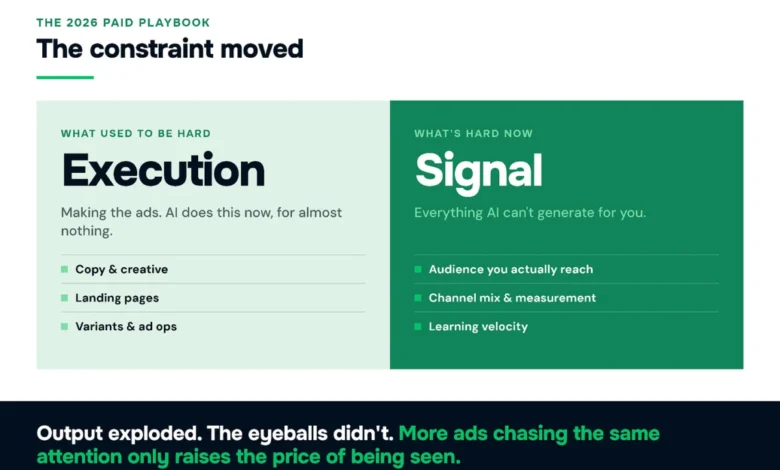
The rapid advancement of artificial intelligence (AI) has fundamentally reshaped the landscape of paid marketing, particularly within the B2B sector. What was once a costly and labor-intensive process—encompassing everything from copywriting and creative variant generation to landing page development and ad operations—has seen its production side become "nearly free." Generative AI models, widely adopted and refined between 2023 and 2025, can churn out countless iterations of ad copy, visual assets, and even basic landing page designs with unprecedented speed and minimal human effort. This technological leap promised an era of hyper-scaled marketing programs and boundless reach. However, despite this dramatic collapse in production costs, most B2B paid programs are failing to scale any better than they did three years ago, presenting a perplexing paradox for marketers and strategists alike in 2026.
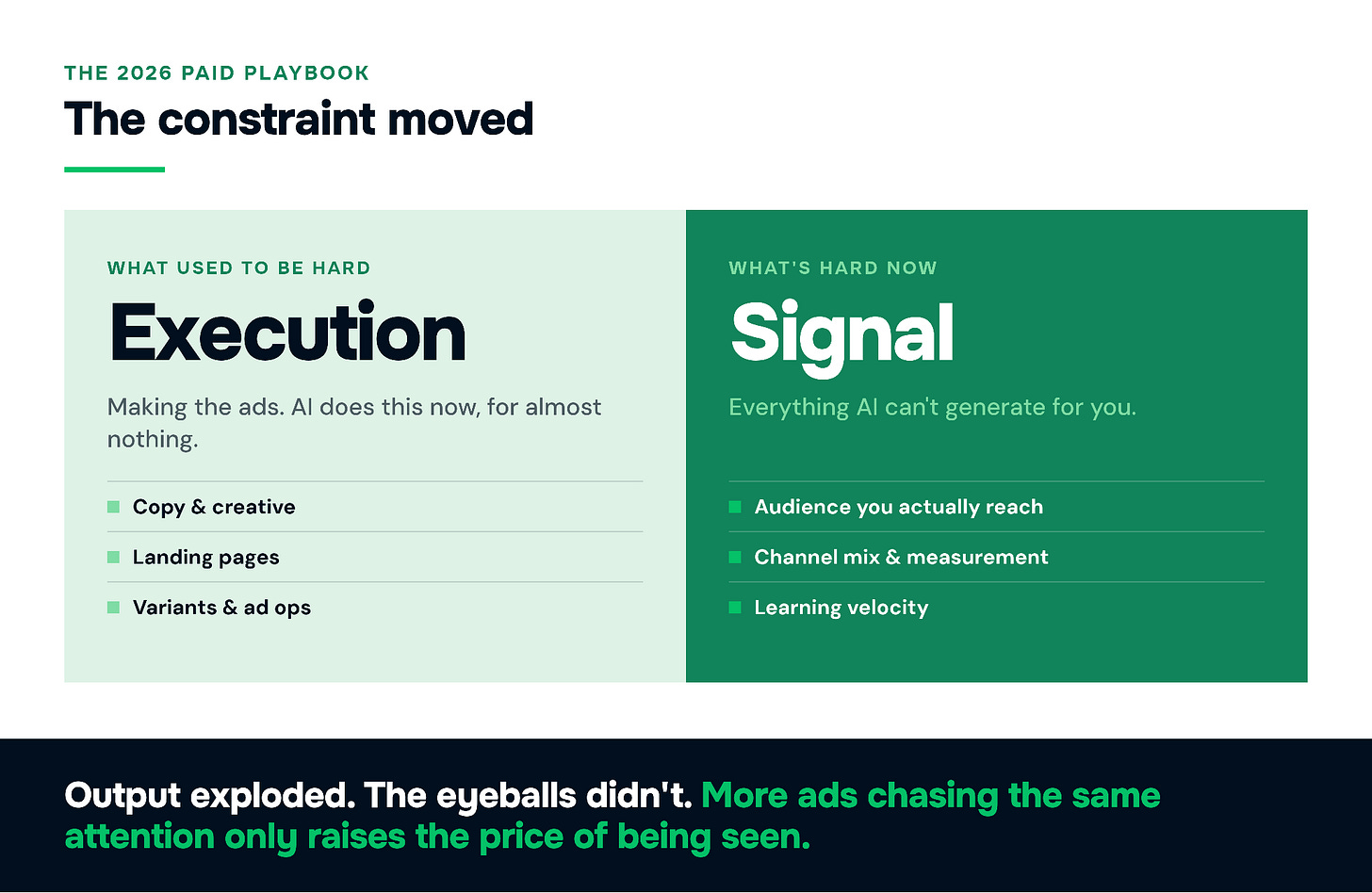
The core reason for this stagnation is a fundamental shift in the primary constraint. AI has not, and cannot, create new social networks or expand the finite pool of human attention. Instead, it has inadvertently flooded existing digital channels with an overwhelming volume of content, much of which is, by its nature, mediocre. As the capacity to produce more content and run more ads increases exponentially, the supply of human attention remains stubbornly fixed. More advertisers chasing the same finite number of eyeballs inevitably drives up the cost of being seen, creating a highly competitive and often inefficient marketplace. This new reality dictates that genuine differentiation in paid marketing no longer resides primarily in creative output—which AI has effectively commoditized—but in more strategic and data-intensive domains: precisely who is targeted, where they are reached, how campaign performance is measured, and how quickly insights are translated into action. The competitive advantage has moved from execution to signal, making the understanding and application of data paramount.
The AI-Powered Production Revolution Meets the Attention Economy
The past few years have witnessed a seismic shift in marketing production, largely driven by the democratization of generative AI. Tools capable of crafting compelling ad copy, designing diverse creative variants, and even auto-generating optimized landing pages have become ubiquitous. This technological marvel has drastically reduced the time, cost, and human capital required for content creation. For B2B marketers, this has meant the ability to experiment with a wider array of messages and visuals, tailoring campaigns with a granularity previously unimaginable. The initial promise was that this efficiency would unlock unprecedented scale, allowing businesses to reach more prospects, more often, with highly personalized content.
However, the fundamental miscalculation lies in equating production capacity with market reach. While AI can generate infinite content, human attention is a finite resource. The digital ecosystem is now awash in a "content glut," where every channel, from social media feeds to search engine results pages, is saturated. This hyper-competition for a fixed supply of attention has led to inflated ad prices across platforms. The marginal utility of simply producing "more" content diminishes rapidly in such an environment. B2B professionals, already inundated with information, have become more discerning, making it harder for brands to cut through the noise. This phenomenon underscores a critical insight: the bottleneck to scaling B2B paid programs has shifted from the cost of content creation to the scarcity and cost of audience attention.
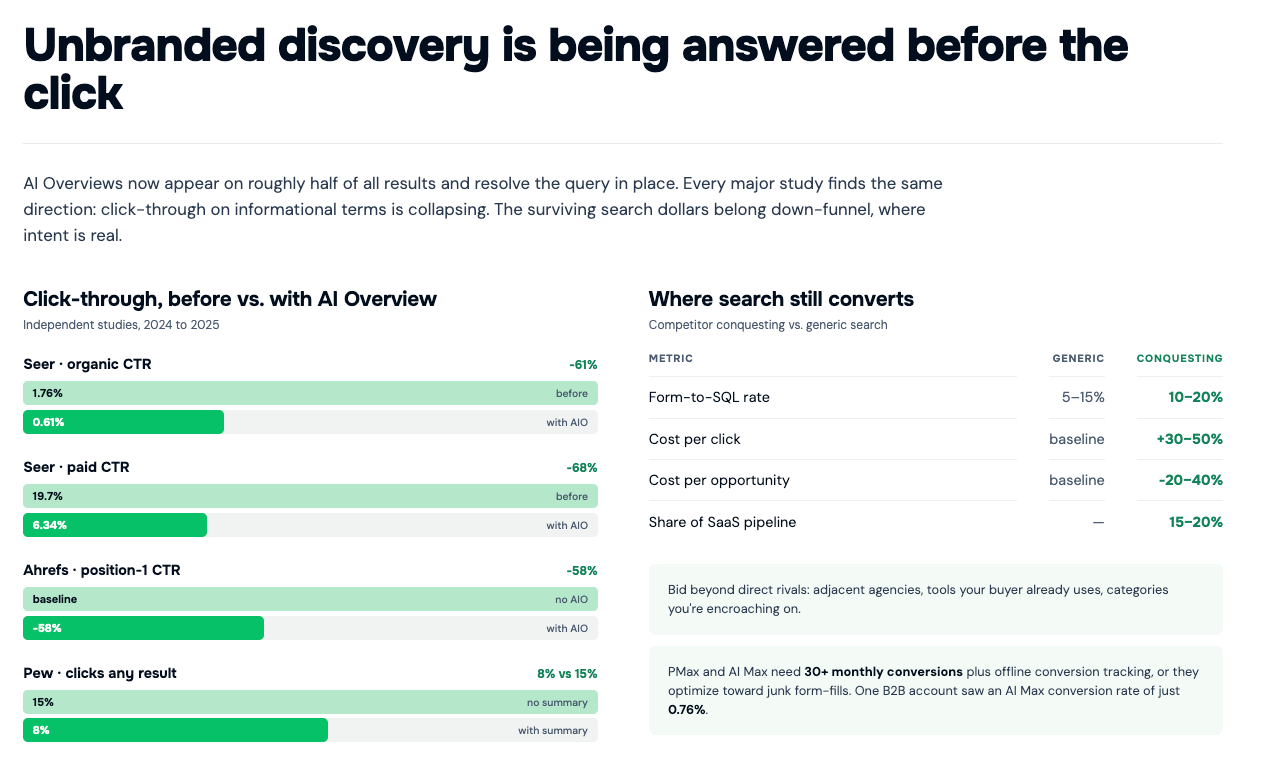
Strategic Pillars for Unlocking Growth: Audience, Channels, Measurement
In this new paradigm, B2B marketers must re-evaluate their strategies, focusing on elements that offer a durable competitive advantage. The new playbook emphasizes three critical pillars: audience targeting, channel optimization, and sophisticated measurement.
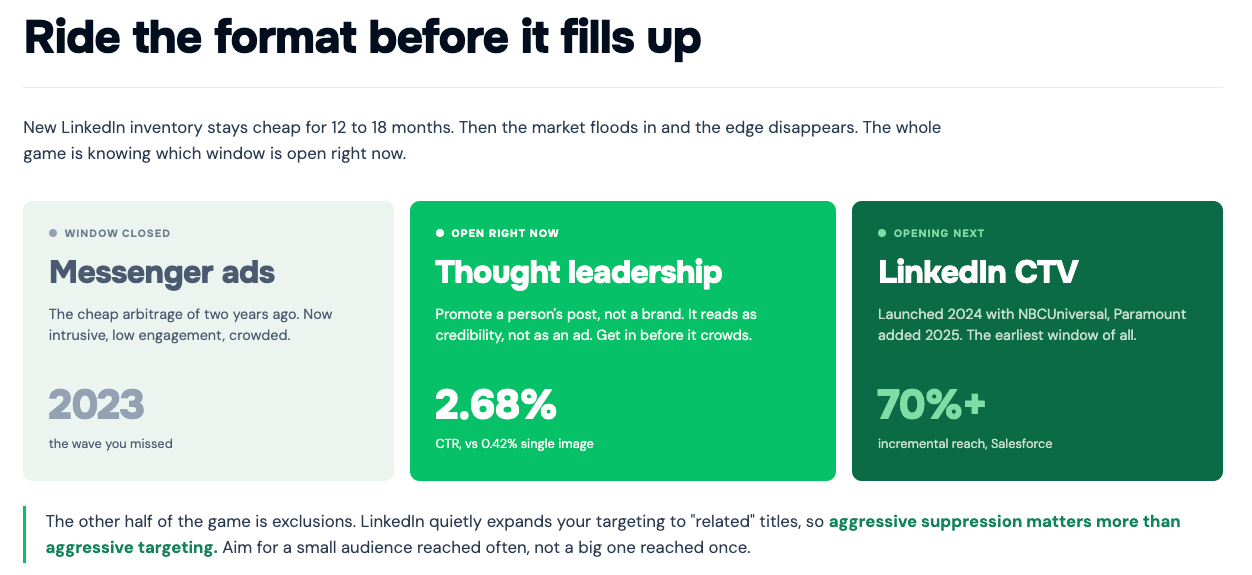
Audience as the Undefensible Moat
The most difficult aspect for a competitor to replicate is a precisely defined and effectively targeted audience. While creative assets, messaging, and even channel selection can be reverse-engineered or imitated, the underlying intelligence of who to target and how to reach them remains a proprietary and defensible asset.
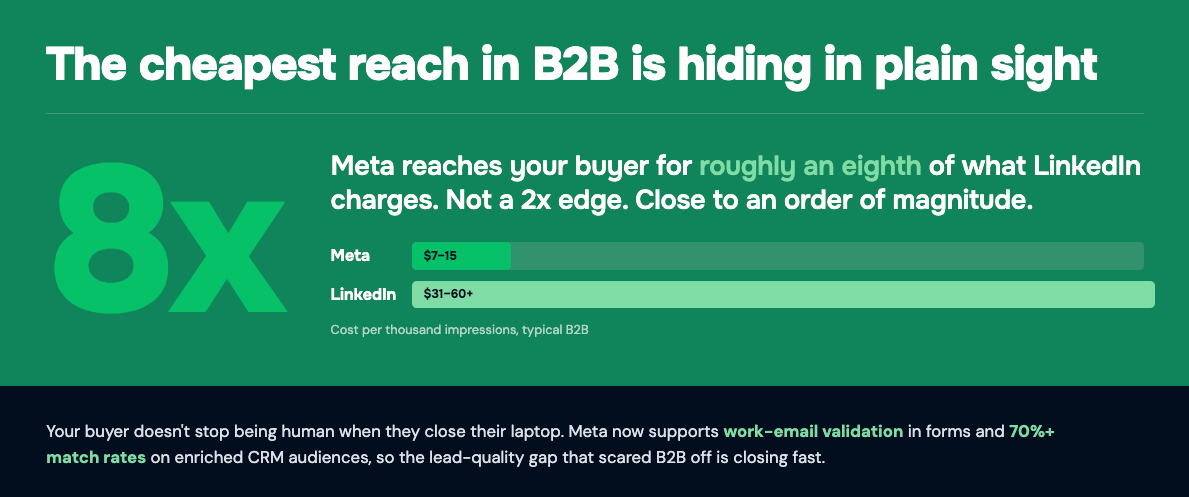
Precision Targeting in a Cross-Platform World
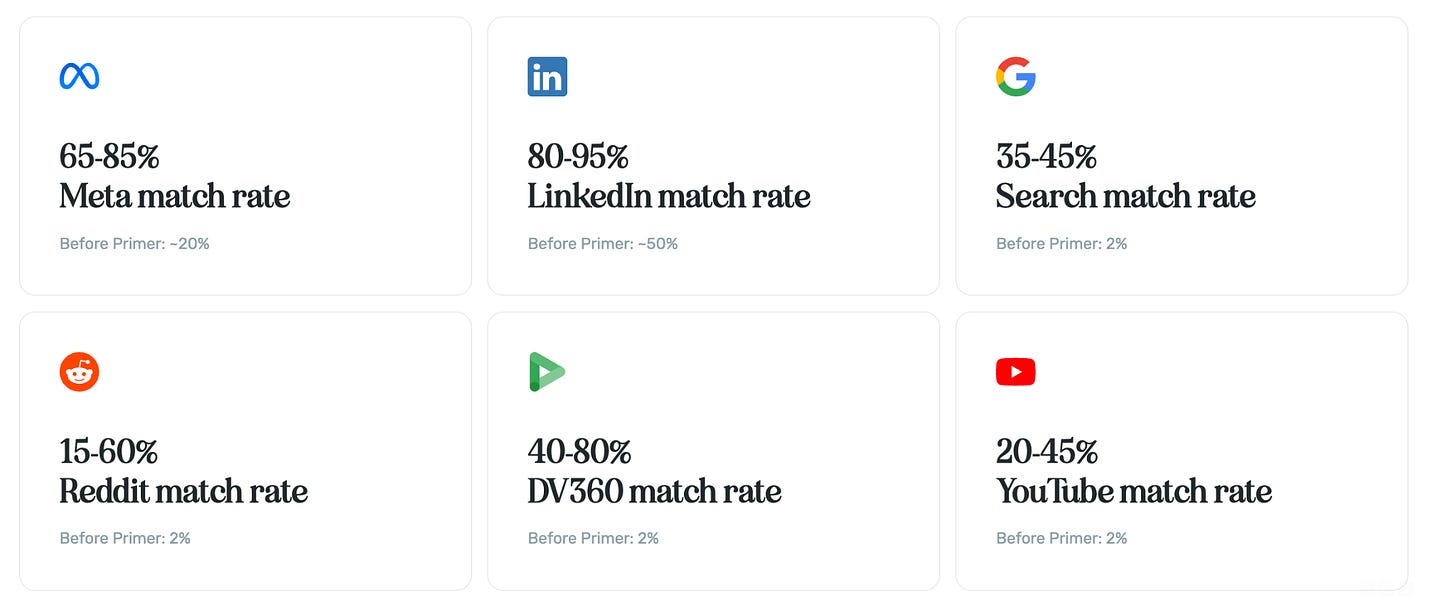
Ad platforms, by design, optimize within their own data silos. They lack a comprehensive understanding of a company’s true Ideal Customer Profile (ICP), which specific job titles consistently convert into loyal customers, win-loss rates by industry segment, or which leads are existing clients or competitors. To overcome this limitation, B2B teams must proactively inject their proprietary Customer Relationship Management (CRM) data into advertising platforms. This involves