For years, corporate career development was treated as a secondary benefit—a nice-to-have perk offered to employees only when time and quarterly budgets permitted. However, as artificial intelligence, automation, and rapidly shifting global industries radically transform the skills required in the modern workforce, that outdated mindset has transformed from a minor oversight into a critical corporate liability. Organizations that fail to institutionalize continuous learning are finding themselves ill-equipped to navigate a rapidly evolving technological landscape.
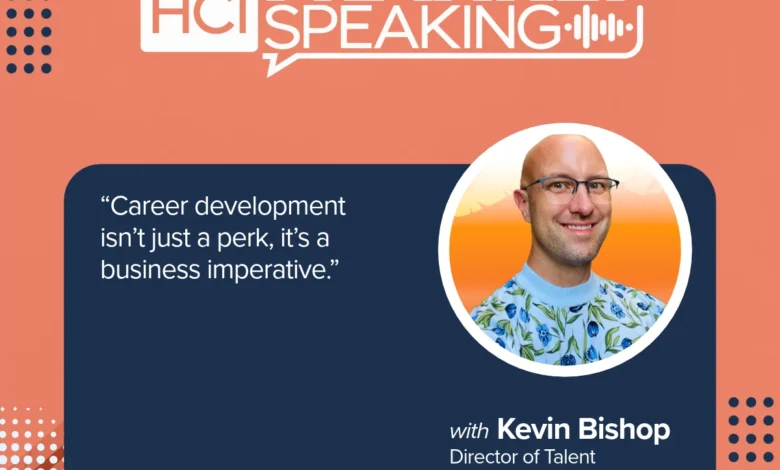
According to striking insights from LinkedIn’s Talent Velocity Advantage report, a staggering 86% of organizations globally struggle to identify, build, and deploy necessary skills in real time. This widespread deficiency highlights a profound disconnect between traditional corporate human resource frameworks and the dynamic demands of the contemporary market. During a dedicated session on workforce agility, Kevin Bishop, Director of Talent Development at LinkedIn, underscored the core philosophy that differentiates high-performing, high-velocity leaders from their stagnant competitors. Bishop noted that when companies shift their perspective to treat comprehensive skill-building as an operational necessity rather than an optional cultural perk, talent mobility accelerates naturally. Aligning ongoing career growth directly with foundational business goals is no longer merely a strategy for improving workplace culture; it has become a definitive competitive advantage in the artificial intelligence era.
The Historical Context of Corporate Training and Development
To understand the current crisis in workforce agility, one must examine how corporate learning and development (L&D) has evolved over the past several decades. Throughout the late 20th century, corporate training was largely episodic and compliance-driven. New hires received onboarding, and periodic workshops were conducted for safety, regulatory compliance, or basic software upgrades. Career development was viewed through a linear, hierarchical lens: employees climbed a static corporate ladder, acquiring skills organically through tenure rather than targeted intervention.
By the early 2000s, the rise of the digital economy began to accelerate the pace of business, introducing e-learning platforms that allowed companies to scale training modules cost-effectively. Yet, even as digital transformation took root, L&D departments typically operated in silos, disconnected from strategic financial and operational planning. Training budgets were frequently the first to be slashed during economic downturns, reinforcing the perception that career development was a discretionary expense rather than a core driver of business resilience.
The advent of generative artificial intelligence and advanced automation in the early 2020s shattered this traditional model. Unlike previous technological shifts that unfolded over generations, AI is compressing the half-life of professional skills down to mere years, or in some technical domains, months. Tasks that previously required specialized human labor—ranging from basic coding and data analysis to copywriting and complex logistical forecasting—can now be augmented or automated entirely by intelligent systems. Consequently, organizations can no longer rely on external hiring alone to bridge their talent gaps. The sheer velocity of technological change demands an internal workforce that can continuously re-skill, up-skill, and pivot in real time.
Data and Insights: The Reality of the Skills Gap
The empirical data gathered by LinkedIn and other premier workforce analytics firms paints a sobering picture of the modern corporate landscape. The finding that 86% of organizations struggle with real-time skill deployment is symptomatic of deeper systemic structural flaws within human resources management.
Traditional talent acquisition pipelines are notoriously sluggish. Sourcing external candidates, conducting multi-stage interviews, negotiating compensation, and onboarding a new employee routinely takes between 40 to 60 days for standard corporate roles, and significantly longer for specialized technical positions. In an economic environment where market demands can shift overnight due to technological breakthroughs or macroeconomic pressures, waiting months to fill a capability gap is an untenable strategy.
Furthermore, internal mobility—the ability of employees to transition into new roles or projects within the same organization—remains notoriously low across most industries. Employees frequently encounter opaque internal job boards, rigid departmental silos, and managerial resistance to losing personnel, even when those employees are seeking opportunities better aligned with emerging corporate priorities. As a result, ambitious workers often look outside their current employers for growth, driving up voluntary turnover rates and draining institutional knowledge.
High-velocity organizations, as defined by LinkedIn’s research, break this cycle by dismantling internal barriers to mobility. These enterprises leverage data-driven skill taxonomies to map out the exact competencies residing within their existing workforce. By treating their employee base as an agile talent marketplace rather than a fixed collection of job titles, these leading organizations can rapidly redeploy personnel to high-priority initiatives, drastically reducing dependency on external recruitment markets.
Voices from the Field: Leadership Perspectives on Talent Velocity
Industry experts and organizational psychologists increasingly emphasize that workforce agility is fundamentally a leadership challenge rather than a technological one. Kevin Bishop’s commentary at the workforce agility seminar highlights a vital mental shift required of modern executives: the integration of talent development into core business strategy.
"When organizations treat skill-building as a necessity rather than an optional perk, talent mobility will accelerate naturally," Bishop explained during his address. This philosophy challenges the traditional division between business operations and human resources. In high-velocity companies, CHROs and talent development leaders sit at the executive table alongside chief financial officers and chief technology officers, actively forecasting how emerging technologies will alter staffing requirements months and years down the line.
Other industry analysts echo these sentiments, pointing out that employees themselves increasingly demand robust career development opportunities. In the wake of shifting post-pandemic labor dynamics—often characterized by heightened employee expectations regarding professional growth and workplace flexibility—organizations that fail to invest in continuous learning face severe recruitment and retention challenges. Workers are no longer content with stagnant job descriptions; they expect their employers to serve as incubators for their long-term professional viability in an AI-driven economy.
Strategic Implications for the Modern Enterprise
The transition toward talent velocity requires a comprehensive overhaul of traditional human resources policies, management training, and technological infrastructure. Enterprises seeking to bridge the 86% skills-gap divide must adopt a multifaceted approach to workforce development.
First, organizations must implement comprehensive skill mapping initiatives. Using advanced AI-powered talent intelligence platforms, companies can catalog the granular skills, certifications, and latent capabilities of their entire workforce. This visibility allows leadership to identify internal candidates for emerging projects instantly, bypassing the delays and expenses associated with external hiring.
Second, corporate culture must be restructured to reward internal mobility. Managers must be incentivized—rather than penalized—for supporting the career growth of their team members. When talent hoarding is replaced by a culture of enterprise-wide collaboration, employees feel empowered to explore new roles and projects within the company, significantly enhancing overall engagement and retention.
Third, learning must be integrated directly into the flow of daily work. Traditional, infrequent training seminars are largely ineffective in a fast-paced environment. Leading organizations are adopting micro-learning modules, mentorship programs, and project-based assignments that allow employees to acquire and apply new competencies in real time.
Conclusion: The Imperative of Workforce Agility
As artificial intelligence continues to redefine the boundaries of what is possible in the corporate world, the traditional approach to career development is officially obsolete. The stark reality highlighted by LinkedIn’s Talent Velocity Advantage report—that the vast majority of organizations struggle to manage skills in real time—serves as a clear warning to business leaders worldwide.
Organizations that view skill-building merely as an optional cultural perk will find themselves outpaced by competitors who treat talent velocity as a core operational strategy. By aligning continuous career growth directly with foundational business objectives, forward-thinking enterprises can build resilient, adaptable workforces capable of thriving amidst the unprecedented disruptions of the AI era. The question facing modern leadership is no longer whether they can afford to invest in their employees’ futures, but whether they can survive without doing so.