The Ultimate Guide to Mastering Instagram Captions for Brands and Marketers in 2023


While Instagram remains fundamentally rooted in visual storytelling—differentiating itself from text-heavy platforms like LinkedIn, Facebook, and X (formerly Twitter)—the supporting text beneath an image or video plays an equally decisive role in commercial success. For brands and digital marketers aiming to elevate their social media strategy, captions are no longer an afterthought. They are sophisticated tools designed to contextualize visual assets, humanize corporate entities, foster genuine community engagement, and ultimately drive measurable conversions.

As digital real estate grows increasingly competitive, understanding the mechanics of crafting compelling Instagram captions is essential for businesses seeking to maximize return on investment (ROI). This comprehensive analysis explores the evolving function of Instagram captions, provides strategic frameworks for content creation, and examines the technical formatting nuances that distinguish high-performing brand accounts.
The Evolving Role of Instagram Captions in Modern Digital Marketing
Instagram was launched in 2010 primarily as a mobile-first photo-sharing application. Over the past decade, the platform has transformed into a comprehensive ecosystem supporting multi-image carousels, short-form Reels, Stories, and integrated e-commerce. Despite these structural shifts, the caption has retained its core utility: bridging the gap between brand intent and consumer interpretation.

Market research indicates that while striking visuals are necessary to halt a user’s continuous scrolling—a phenomenon frequently referred to in the industry as "thumb-stopping"—captions provide the narrative depth required to convert passive viewers into active brand advocates. According to internal data from major social media management platforms, posts that incorporate thoughtful, context-driven text consistently outperform purely visual posts in metrics relating to brand recall, audience retention, and customer loyalty.
Furthermore, the strategic utility of captions extends across various stages of the marketing funnel. At the top of the funnel, captions optimized with targeted keywords and trending topics aid in discovery. In the middle of the funnel, narrative-driven storytelling builds emotional resonance. At the bottom, clear and direct calls-to-action (CTAs) guide users toward off-platform purchasing portals, event registrations, or service bookings.

Anatomical Breakdown: What Constitutes an Instagram Caption?
An Instagram caption is the designated text field accompanying static photos, video posts, and Reels. The platform currently permits a maximum limit of 2,200 characters per caption, accommodating a rich mix of descriptive text, emojis, and thematic hashtags. However, a crucial platform limitation persists: hyperlinks embedded directly within Instagram captions remain unclickable, forcing marketers to rely on strategic profile bio links or native shopping tags to direct traffic.
Given that captions are truncated after approximately two to three lines of text (roughly 125 characters) in the main user feed, the strategic placement of primary messaging, value propositions, and emotional hooks becomes paramount. Users must intentionally tap a "more" button to read expanded text blocks, making the initial sentence the single most critical element of the entire copy.

Strategic Frameworks for Crafting High-Performing Captions
Developing an effective Instagram caption requires balancing creativity with analytical precision. Industry professionals typically adhere to several core best practices to ensure optimal performance across diverse audience segments.
1. Designing for the "Thumb-Stopping" Moment
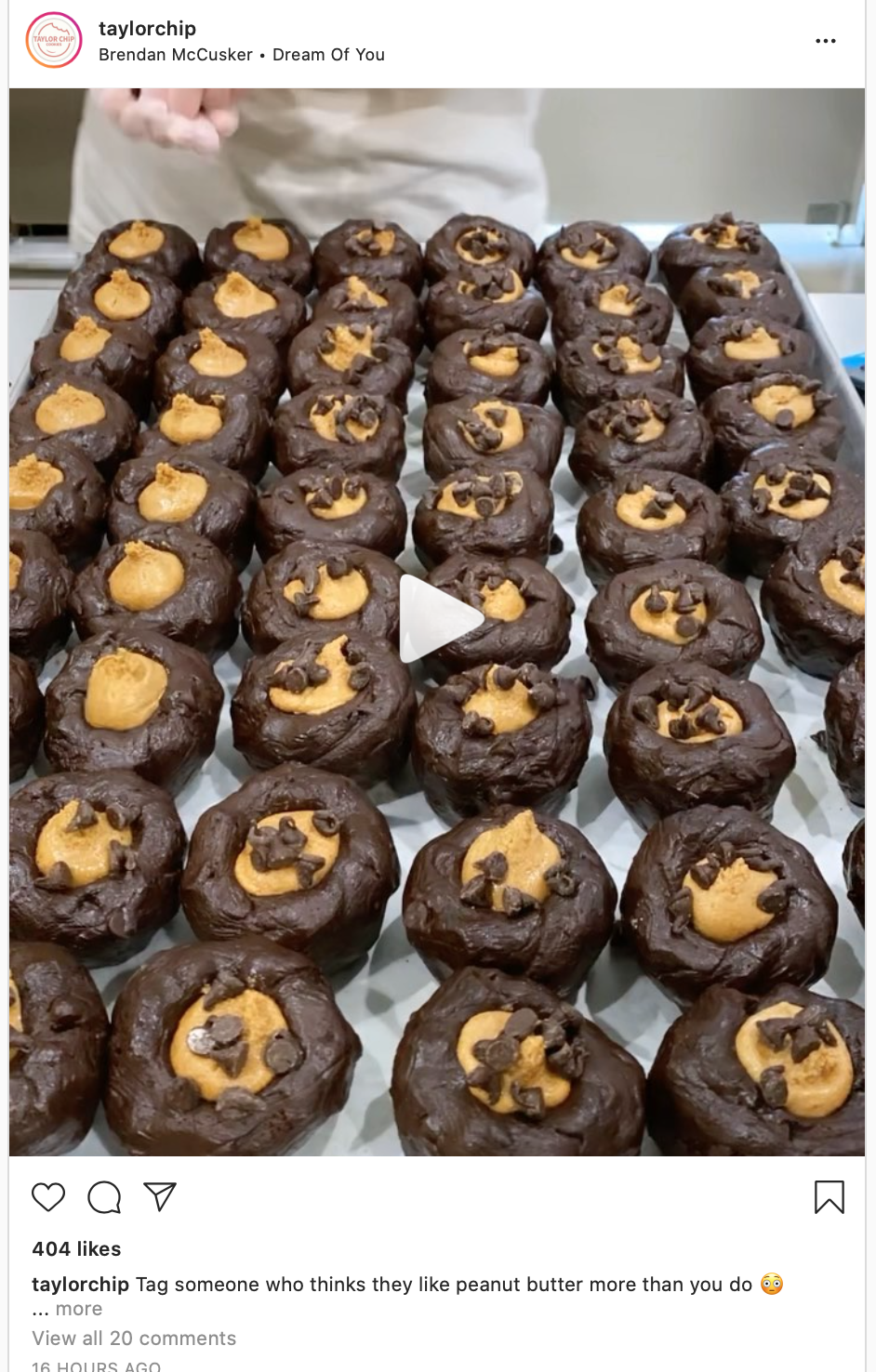
Because users consume social media content at a rapid pace, the opening line of a caption must immediately communicate value. Marketers achieve this by front-loading the central premise or addressing an immediate pain point relevant to the target demographic. For instance, brands operating in the consumer packaged goods sector frequently utilize seasonal hooks that contrast with prevailing industry trends. While competitors might publish complex, time-consuming content during holiday seasons, brands that pivot toward simplicity and efficiency often capture higher engagement rates by offering immediate, actionable utility to time-strapped consumers.
2. Balancing Brevity with Narrative Depth
A common misconception in social media management is that captions must remain brief to retain attention. While minimalist captions work effectively for high-impact visual statements, empirical data suggests otherwise. Controlled experiments conducted by social media analytics firms have demonstrated that mid-length to long-form captions—specifically those ranging between 400 and 705 characters—frequently generate higher engagement than micro-captions of 65 characters or less. Extended text allows brands to provide rich context, share behind-the-scenes narratives, and establish a distinct brand voice.
3. Leveraging Cultural Relevance and Resonance
Integrating pop-up culture references, timely seasonal idioms, and familiar cultural touchstones makes corporate content appear approachable and relatable. When brands successfully align their product offerings with prevailing seasonal moods—such as autumn apparel aesthetics or summer travel motifs—they tap into pre-existing consumer sentiment. This alignment encourages organic conversation within the comment section, signaling to the platform’s algorithm that the content is generating active discourse.
4. Implementing Diversified Hashtag Strategies
Hashtags function as critical metadata that expand content visibility beyond an existing follower base. Instagram permits up to 30 hashtags per post, though digital marketing experts generally recommend a curated approach of 5 to 15 highly relevant tags to prevent content from appearing spammy or unpolished.
An effective hashtag strategy involves diversifying categories across each publication. Marketers typically combine:

- Branded Hashtags: Unique identifiers created specifically for a company or campaign (e.g., #DysonHair).
- Seasonal or Timely Hashtags: Tags associated with specific holidays, events, or weather patterns (e.g., #GiftInspo, #SummerVibes).
- Interest-Based Hashtags: Niche terms connecting content to broader community topics (e.g., #HomeBaking, #SustainableFashion).
- Location-Based Hashtags: Geographic identifiers designed to capture local or regional target markets.
5. Optimizing for Explicit and Implicit Engagement
Because direct hyperlinks are restricted within standard post captions, driving engagement serves as the primary mechanism for algorithmic favorability. The Instagram algorithm prioritizes content that generates rapid interactions, including likes, saves, shares, and substantive comments.
To stimulate this activity, copywriters frequently deploy specific psychological triggers:

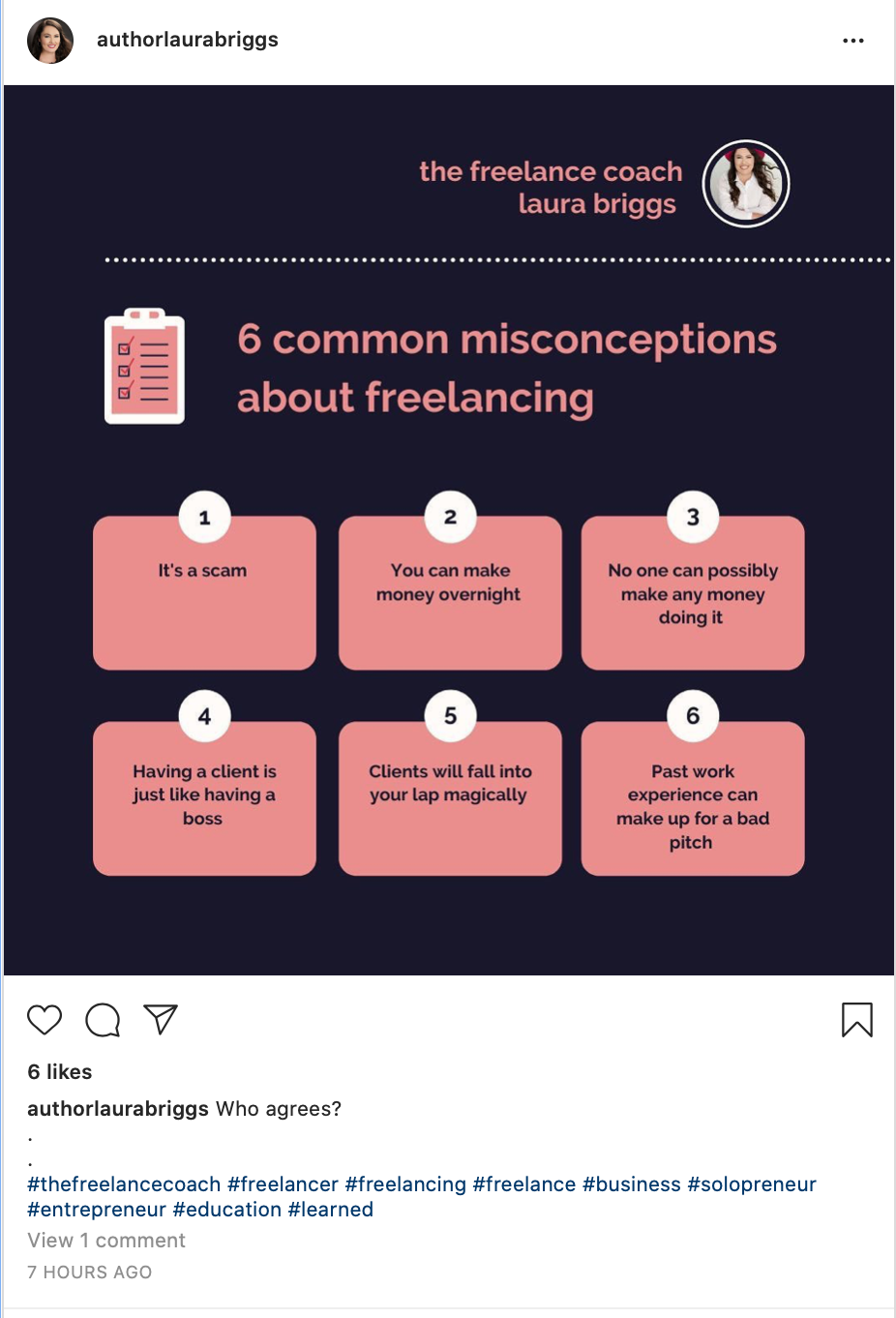
- Inquiry-Based Prompts: Asking straightforward questions (e.g., "Who agrees?") that require minimal cognitive effort to answer, lowering the barrier to entry for commenters.
- Peer-Tagging Incentives: Encouraging users to tag friends in the comments section (e.g., "Tag someone who loves this flavor as much as you do"). While effective for expanding organic reach, marketing analysts caution against overusing this tactic to prevent audience fatigue.
6. Crafting Action-Oriented Calls-to-Action (CTAs)
While engagement metrics validate content resonance, commercial viability requires off-platform action. A well-constructed CTA guides the user seamlessly from digital interaction to real-world conversion. Effective CTAs must feature absolute clarity, explicit instructions, and a compelling rationale for why the user should expend time or capital. Whether directing users to register for a localized workshop, sign up for a newsletter, or purchase a newly released product line, the CTA must remove friction and articulate immediate value.
Technical Optimization: Formatting, Editing, and Typography
Beyond textual composition, the structural presentation of an Instagram caption heavily influences readability and aesthetic appeal.
Text Spacing and Paragraph Breaks
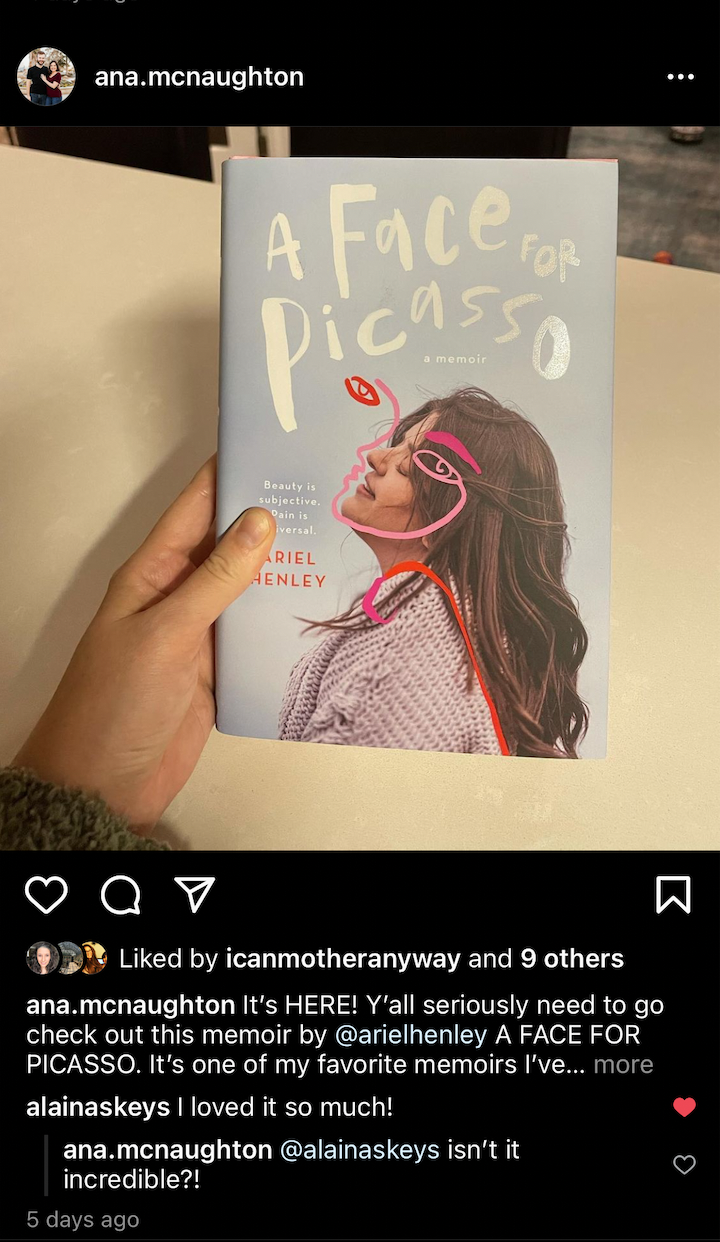
Dense walls of text discourage reading and lead to elevated bounce rates. To combat this, professional accounts utilize strategic line breaks, bullet points, and spacing symbols to segment information. A standard structural template involves a brief introductory hook, followed by a blank line, an elaboration of the body text, another space, and a final section dedicated to hashtags and the primary CTA. Although native mobile keyboards historically made multi-line spacing challenging without resorting to invisible characters or punctuation workarounds, modern platform updates allow standard carriage returns via the device’s "return" key.
Post-Publication Editing Protocols
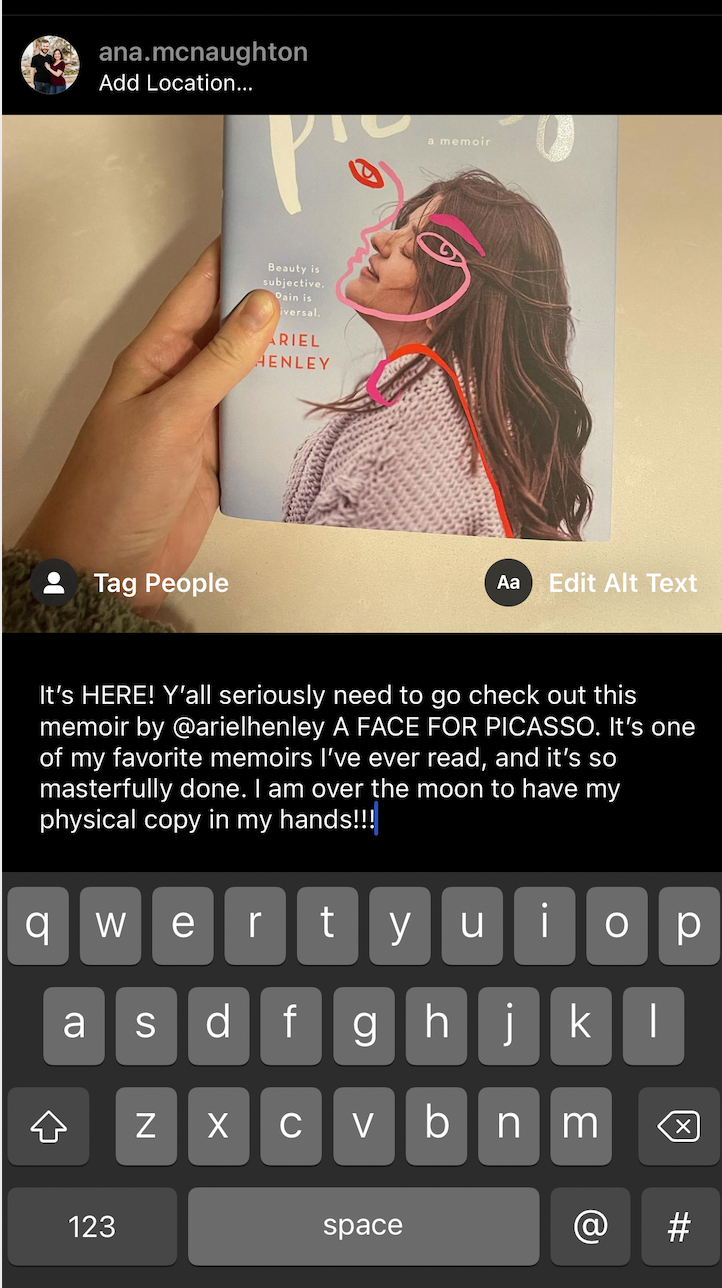
Digital strategies require agility. Recognizing that initial copy drafts may contain typographical errors or require strategic pivots, Instagram provides a streamlined post-editing feature. By navigating to any published post, selecting the three-dot menu icon in the upper right-hand corner, and choosing the "Edit" function, administrators can instantly modify captions, correct hashtags, or update links without sacrificing existing engagement metrics or removing the underlying visual asset.
Utilizing Custom Typography and Font Variations
To make specific text elements stand out within crowded news feeds, many brands implement distinct font styles, bold weights, or italicized characters. Because the native Instagram application does not offer built-in rich text formatting within caption fields, marketers rely on third-party web-based Unicode generators (such as specialized font conversion tools). These platforms allow creators to input standard text, select a desired typographic style from a generated list, and copy-paste the stylized output directly into the caption editor. However, accessibility experts advise caution: excessive use of non-standard Unicode fonts can disrupt screen-reading software utilized by visually impaired users, making moderation essential for inclusive digital marketing practices.
Analytical Implications for Future Brand Strategies
As social media algorithms continue to prioritize user retention and authentic community building, the function of the Instagram caption will only grow in complexity. Brands that view text as a secondary element risk losing market share to competitors who leverage captions as dynamic storytelling instruments. By combining rigorous data analysis, strategic structural formatting, culturally resonant copywriting, and clear conversion pathways, organizations can transform simple photo and video shares into powerful drivers of brand equity and commercial growth.