Meta Platform Year in Review: Analyzing the 2022 Ecosystem Transformations and Looking Ahead to 2023

The final quarter of 2022 marked a period of intensive structural and functional evolution across Meta Platforms, encompassing Facebook, Instagram, and associated enterprise infrastructure. Throughout late 2022, Meta deployed a series of strategic updates—ranging from expanded Reels capabilities and native content scheduling to comprehensive ad interface overhauls and stringent brand safety protocols—designed to prepare marketers for an automated, highly streamlined digital marketing landscape in 2023. These platform modifications reflect a broader corporate realignment toward machine learning automation, short-form video dominance, and fortified governance around digital commerce.
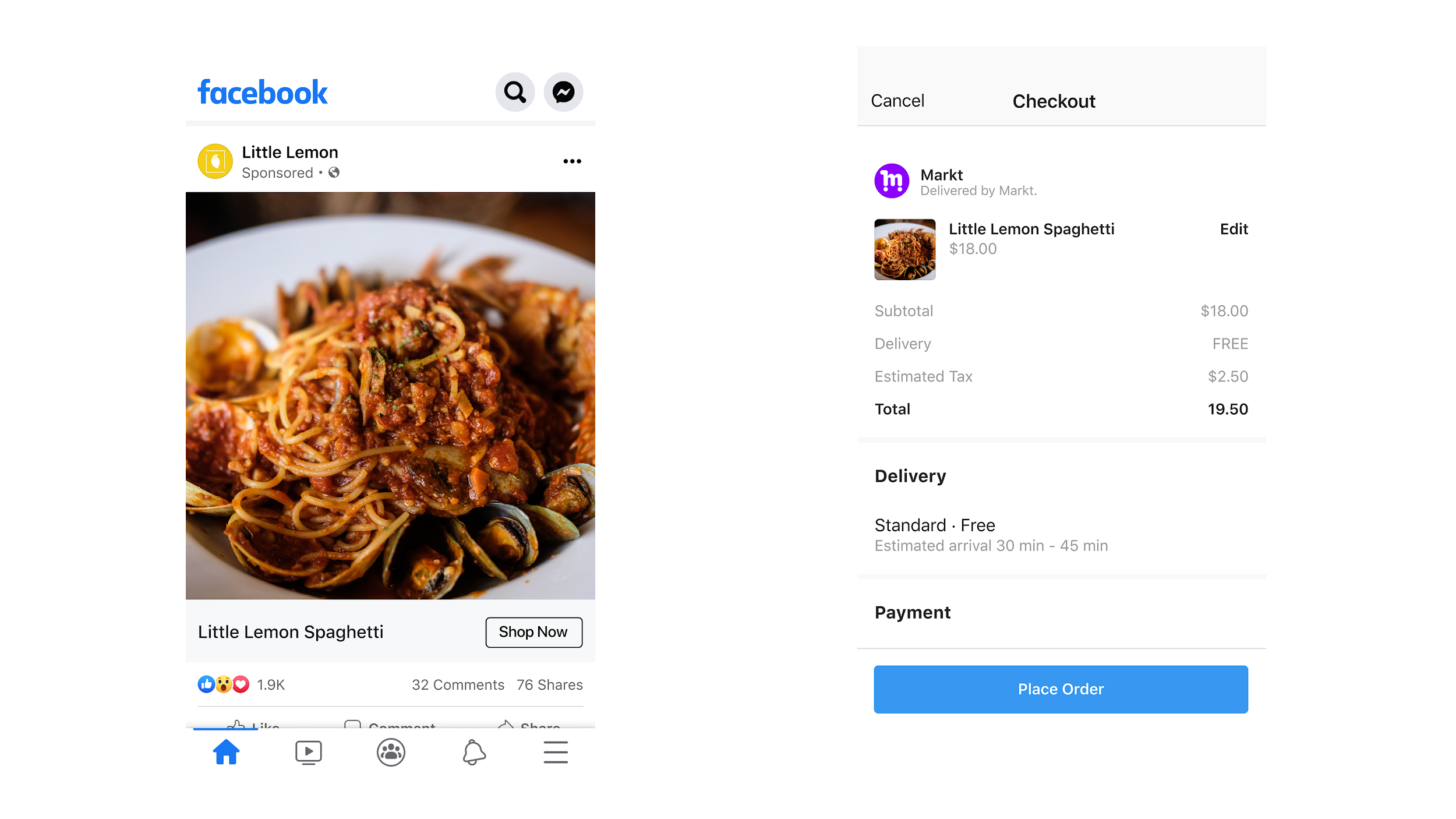
Chronological Overview of Q4 2022 Platform Updates
Meta’s deployment schedule during the closing months of 2022 underscored a clear dual objective: enhancing native utility for content creators while simultaneously tightening performance parameters for enterprise advertisers. The implementation of native scheduling tools on Instagram, the expansion of Meta Advantage+ campaign automation suites, and the deployment of updated brand safety milestones illustrate the platform’s systematic transition toward enterprise efficiency and user retention.
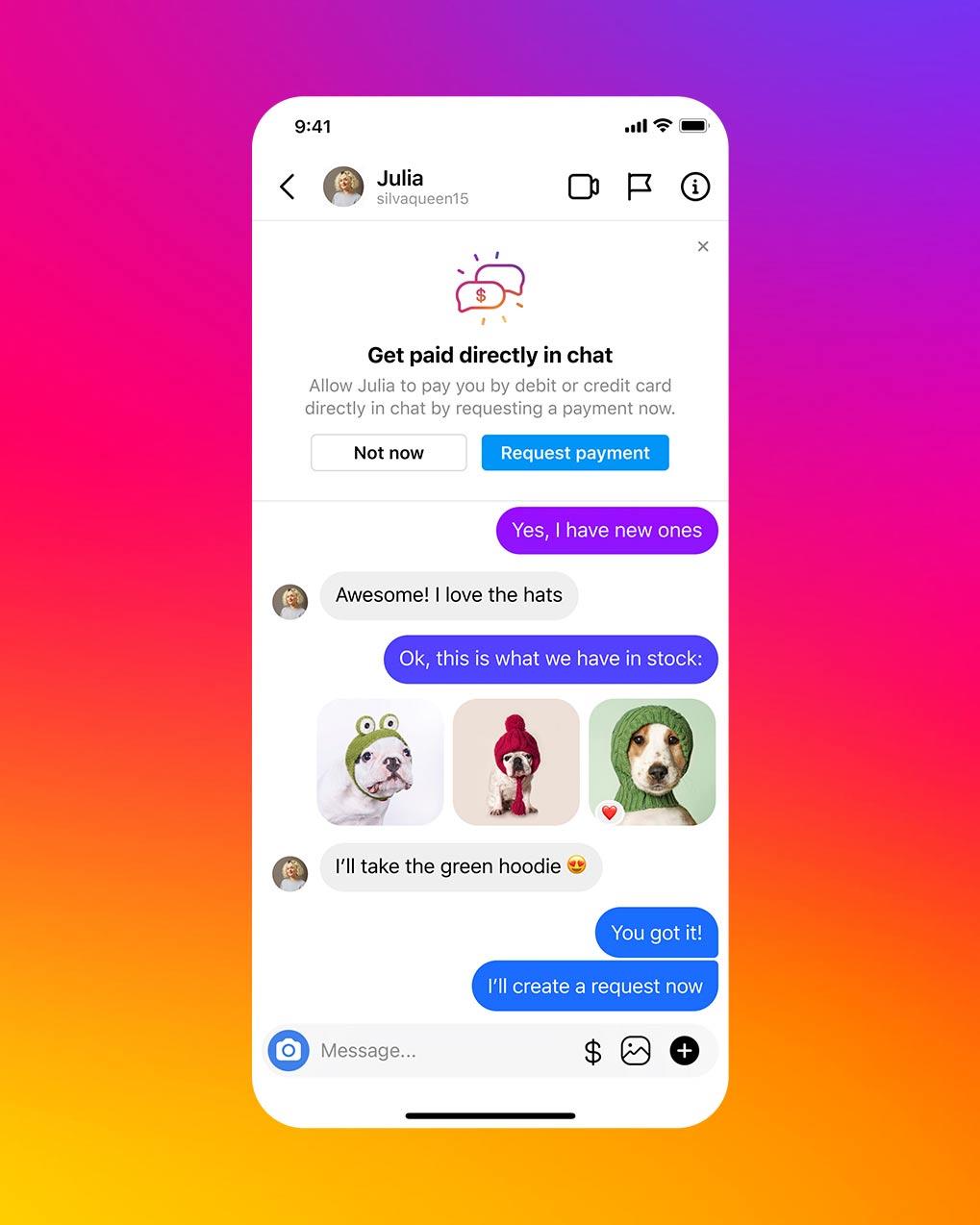
December 2022: Native Scheduling and Advertising Best Practices
In December 2022, Instagram introduced native content scheduling for Business and Creator accounts directly within the mobile application. Previously restricted to desktop interfaces or third-party management tools, this functionality allows professional accounts to schedule Reels, photos, and carousel posts up to 75 days in advance. While this addition minimized friction for mobile-first content creators, certain technical limitations remained, such as the exclusion of product tagging, cross-posting, and post-boosting for pre-scheduled assets at the time of publication.
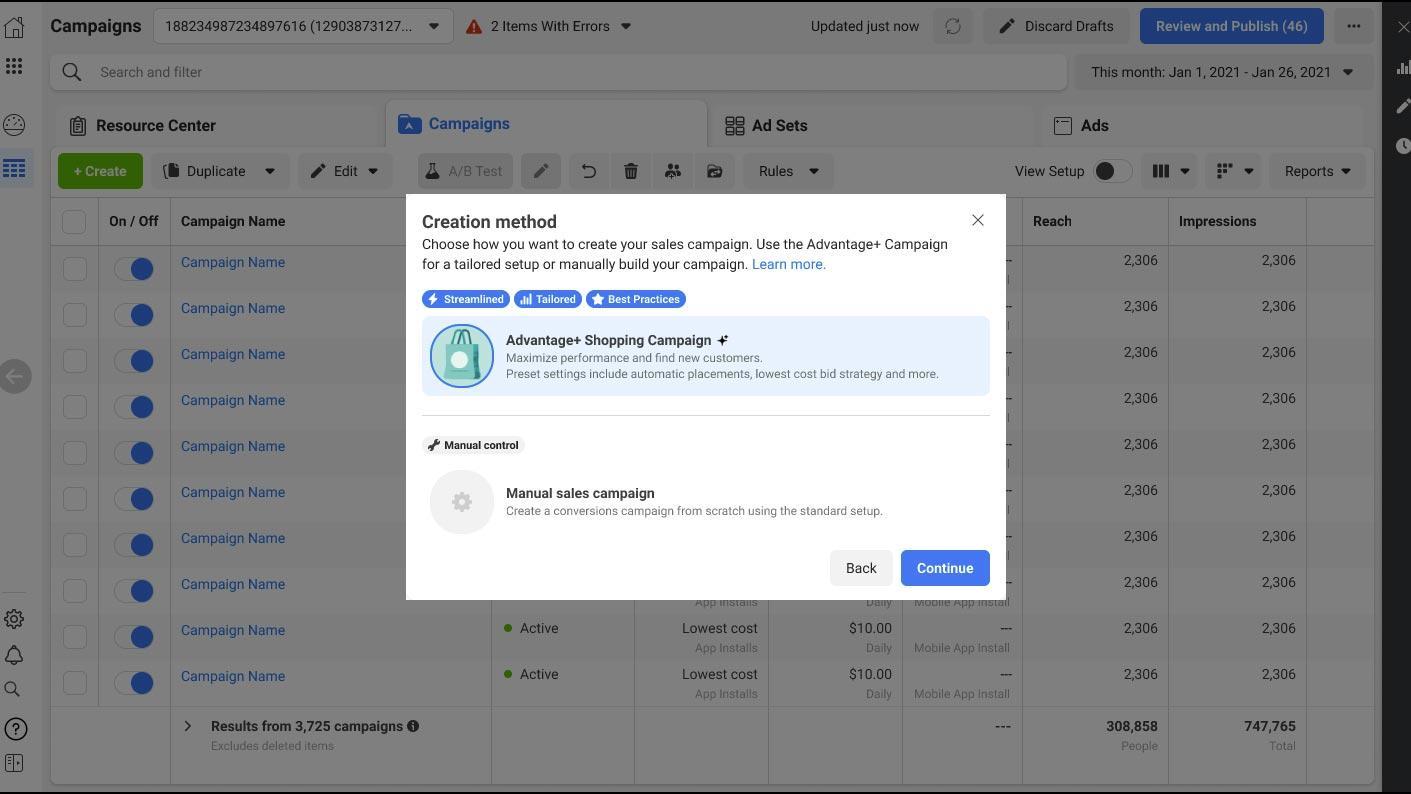
Concurrently, Meta released comprehensive advertising best practices derived from internal platform data. These guidelines focused on maximizing return on ad spend (ROAS) through campaign simplification, budget consolidation, and early adoption of machine-learning-driven delivery systems. The release coincided with milestones in brand safety; notably, the Media Rating Council (MRC) granted accreditation to Facebook for content-level brand safety across Instant Articles and In-Stream video, validating Meta’s Partner Monetization Policies and suitability controls.
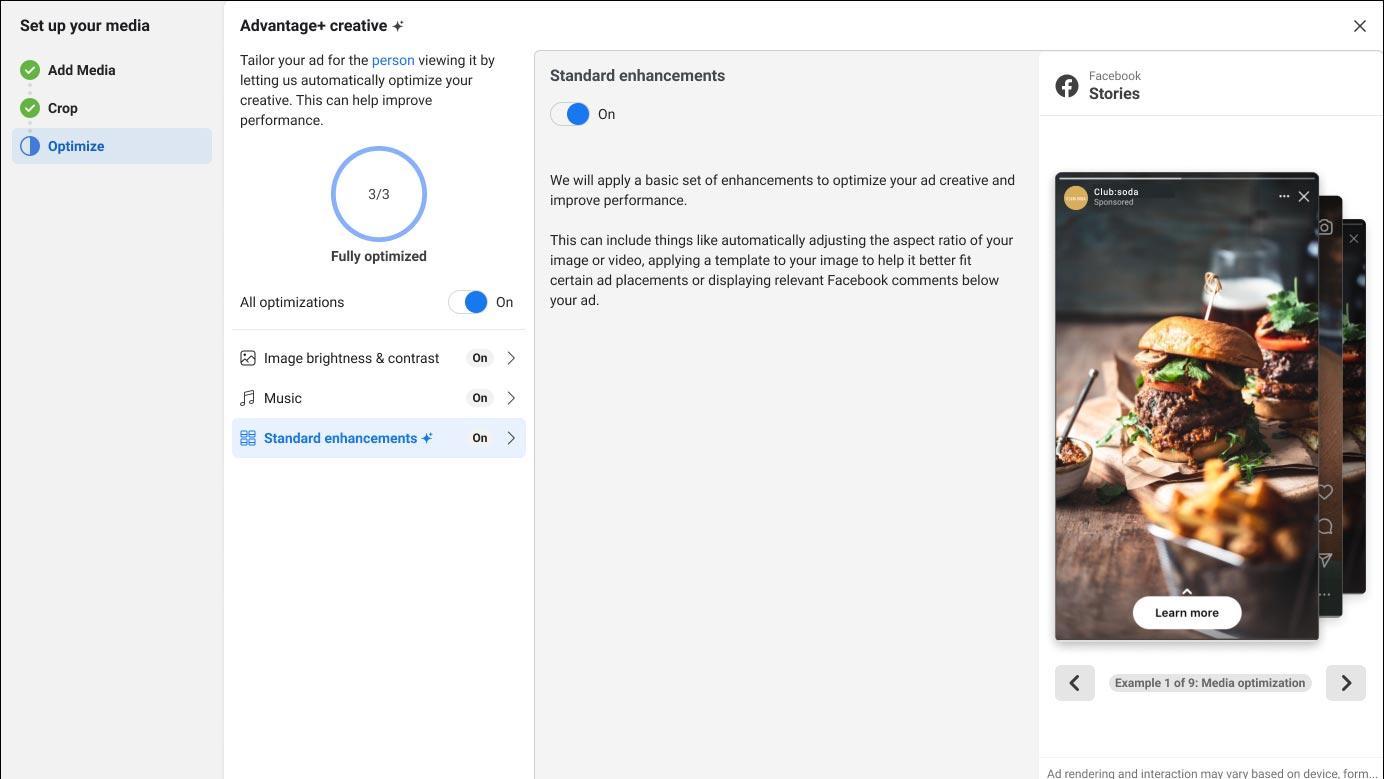
October and November 2022: Intellectual Property, Monetization, and Automation
Earlier in the fourth quarter, Meta addressed escalating concerns regarding intellectual property infringement by launching the IP Reporting API. Integrated with the Facebook Graph API, this infrastructure allowed rights holders to report unauthorized content replication across Facebook and Instagram more efficiently, while bolstering the existing Brand Rights Protection framework against counterfeit distribution and trademark violations.
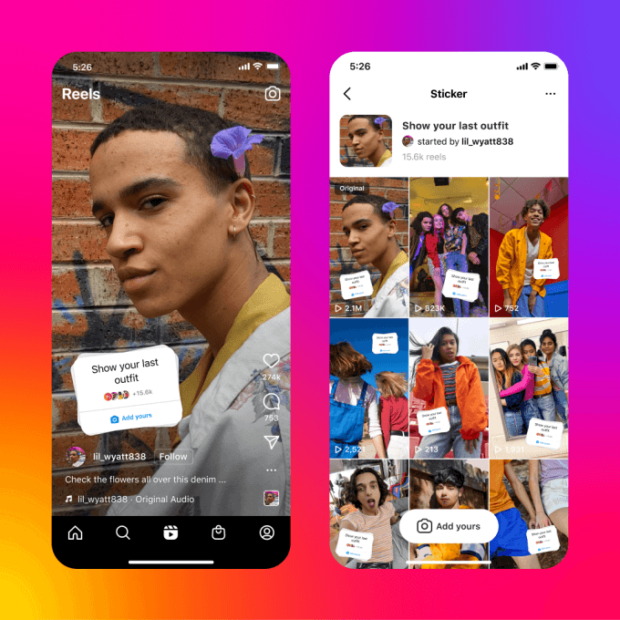
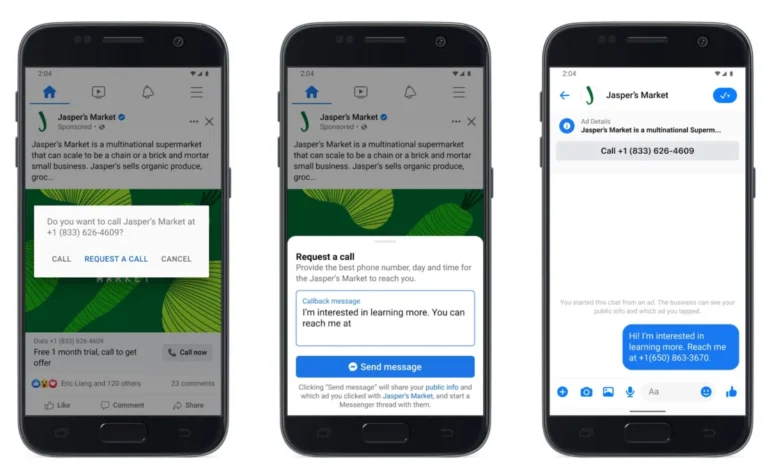
Concurrently, Instagram expanded access to the Creator Marketplace, facilitating direct brand-creator partnerships with advanced filtering options based on audience demographics and niche interests. Furthermore, Meta integrated WhatsApp messaging into the unified Meta Inbox, allowing business pages to manage inquiries from Facebook Messenger, Instagram Direct, and WhatsApp within a single management console. Small business support initiatives were also accelerated during November to capitalize on high-volume holiday sales periods, offering tailored educational resources, ad credits, and technical assistance.
Strategic Shifts in Advertising Architecture: The Rise of Meta Advantage+
A defining theme of Meta’s 2022 operational strategy was the consolidation and aggressive promotion of automated advertising solutions under the Meta Advantage suite. By grouping automated products into "Advantage" (targeted optimizations) and "Advantage+" (fully automated end-to-end campaigns), Meta signaled a permanent departure from manual audience curation toward algorithmic media buying.

Performance Implications of Machine Learning Optimization
Advantage+ Shopping campaigns, which officially rolled out globally in August 2022, leverage machine learning to automate creative testing, audience targeting, and budget allocation. Internal platform data indicated that these automated campaigns frequently yielded a lower cost-per-purchase conversion compared to traditional manual setups. By allowing advertisers to test up to 150 creative variations simultaneously, the algorithm dynamically serves the most contextually relevant visual or textual variant to individual users.
However, this systemic shift toward automation introduced complex challenges for digital marketers. The reliance on machine learning models coincided with the lingering economic fallout of Apple’s AppTrackingTransparency (ATT) framework, which rolled out in early 2021. The ATT protocol significantly restricted mobile web tracking and third-party data attribution on iOS devices, forcing advertisers to rely more heavily on first-party data, Conversions API integrations, and Meta’s native optimization algorithms. Consequently, campaign management transformed from a task of granular manual segmentation to one of creative asset diversification and algorithmic guidance.

The Short-Form Video Economy: Scaling Reels Across the Ecosystem
Throughout 2022, Meta systematically prioritized short-form vertical video, modeling its platform growth trajectory after the rapid ascension of TikTok. This strategic pivot manifested in structural updates across both Facebook and Instagram.
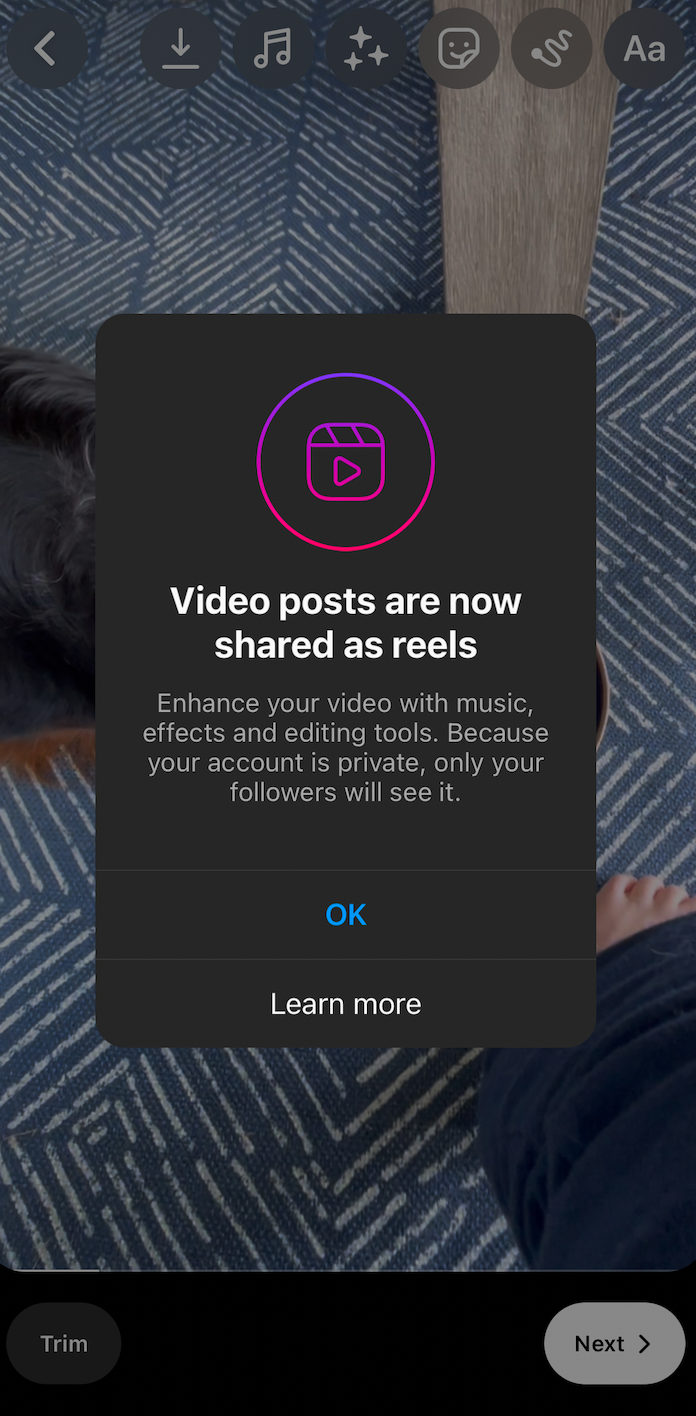
By July 2022, Instagram began automatically converting standard video posts under 15 minutes in length into Reels, merging the traditional video profile tab into a singular Reels repository. This structural consolidation granted all video publishers access to Meta’s advanced suite of editing tools, audio libraries, and visual effects. Furthermore, the rollout of Reels API access for third-party developers in mid-2022 enabled enterprise social media management platforms—such as Hootsuite—to integrate publishing, analytics, and comment moderation for short-form video directly into their enterprise dashboards.
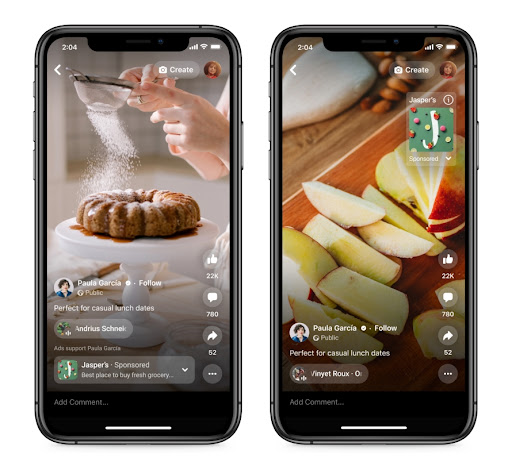
Monetization frameworks evolved synchronously. Meta expanded Facebook Reels Overlay Ads and introduced "Stars on Reels," enabling viewers to financially support creators through micro-transactions. Additionally, Instagram increased the maximum duration of Reels to 90 seconds, providing extended parameters for educational content, narrative storytelling, and integrated product demonstrations.
Governance, Brand Safety, and Regulatory Pressures
As digital advertising models matured, regulatory scrutiny regarding user privacy, algorithmic bias, and content moderation intensified. Meta’s structural adjustments in late 2022 reflected a concerted effort to satisfy both regulatory bodies and brand advertisers concerned with brand suitability.
Media Rating Council Accreditation and Inventory Filters
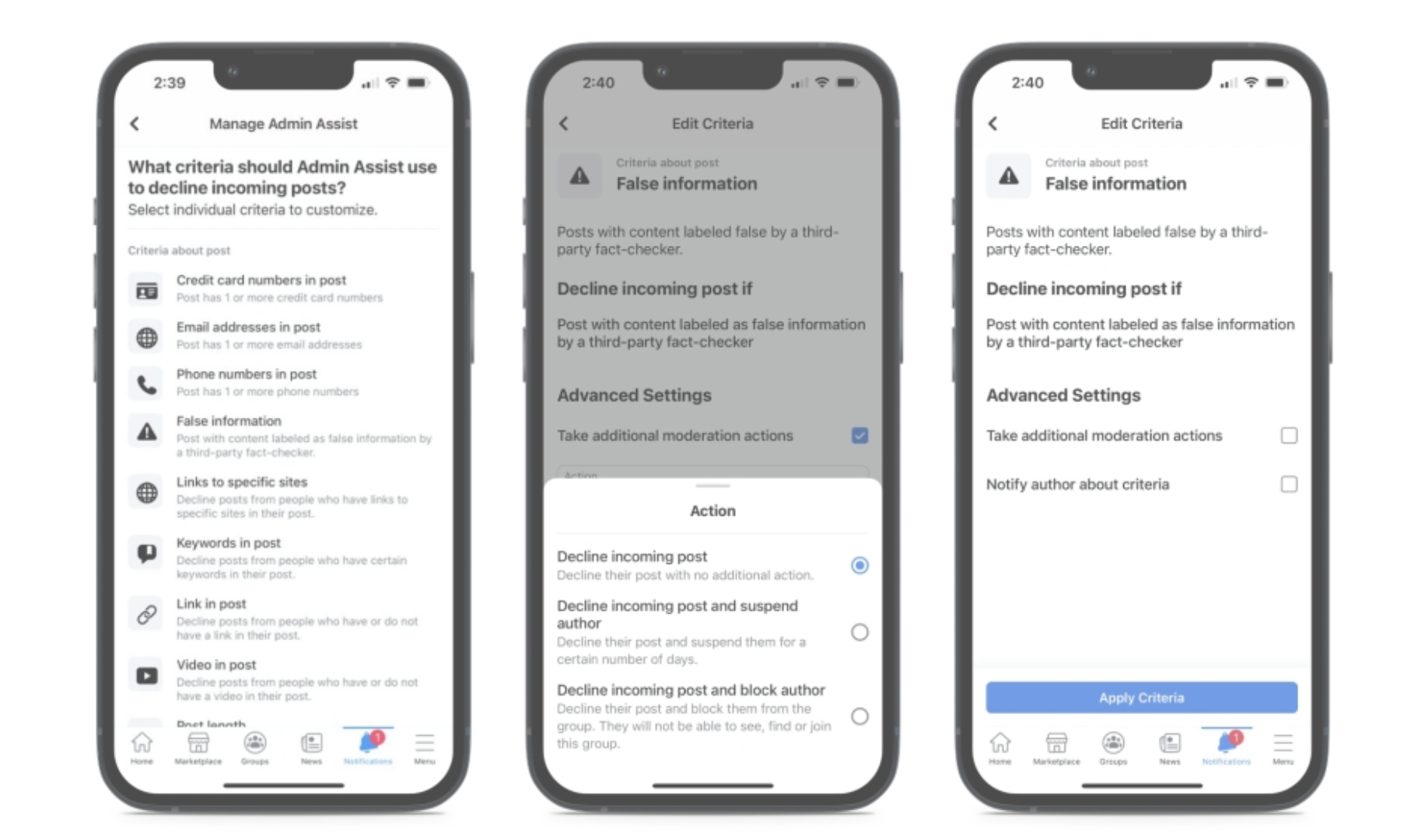
The MRC accreditation achieved by Meta in late 2022 represented a critical turning point for corporate accountability. By subjecting Content Monetization Policies and in-stream video controls to independent third-party auditing, Meta sought to rebuild institutional trust following historical brand boycotts over hate speech and controversial content adjacency. To complement this accreditation, Meta initiated tests for content-based inventory filters across Facebook and Instagram feeds, granting advertisers granular control over the contextual environments in which their promotional assets appeared.
Concurrently, transparency reporting for social, political, and electoral advertising underwent systematic expansion. Meta updated the Ad Library to incorporate granular summaries of targeting criteria for political ads, making these data points available to vetted academic researchers while maintaining individual user privacy protections. These measures were implemented to preempt legislative interventions regarding digital election integrity and data exploitation.
Economic Outlook and Strategic Implications for 2023
Entering 2023, digital marketing strategists faced a radically transformed Meta ecosystem characterized by four primary pillars:
- Algorithmic Dominance: Manual audience targeting gave way to broad targeting and automated Advantage+ frameworks, placing a premium on creative asset quality rather than media-buying configuration.
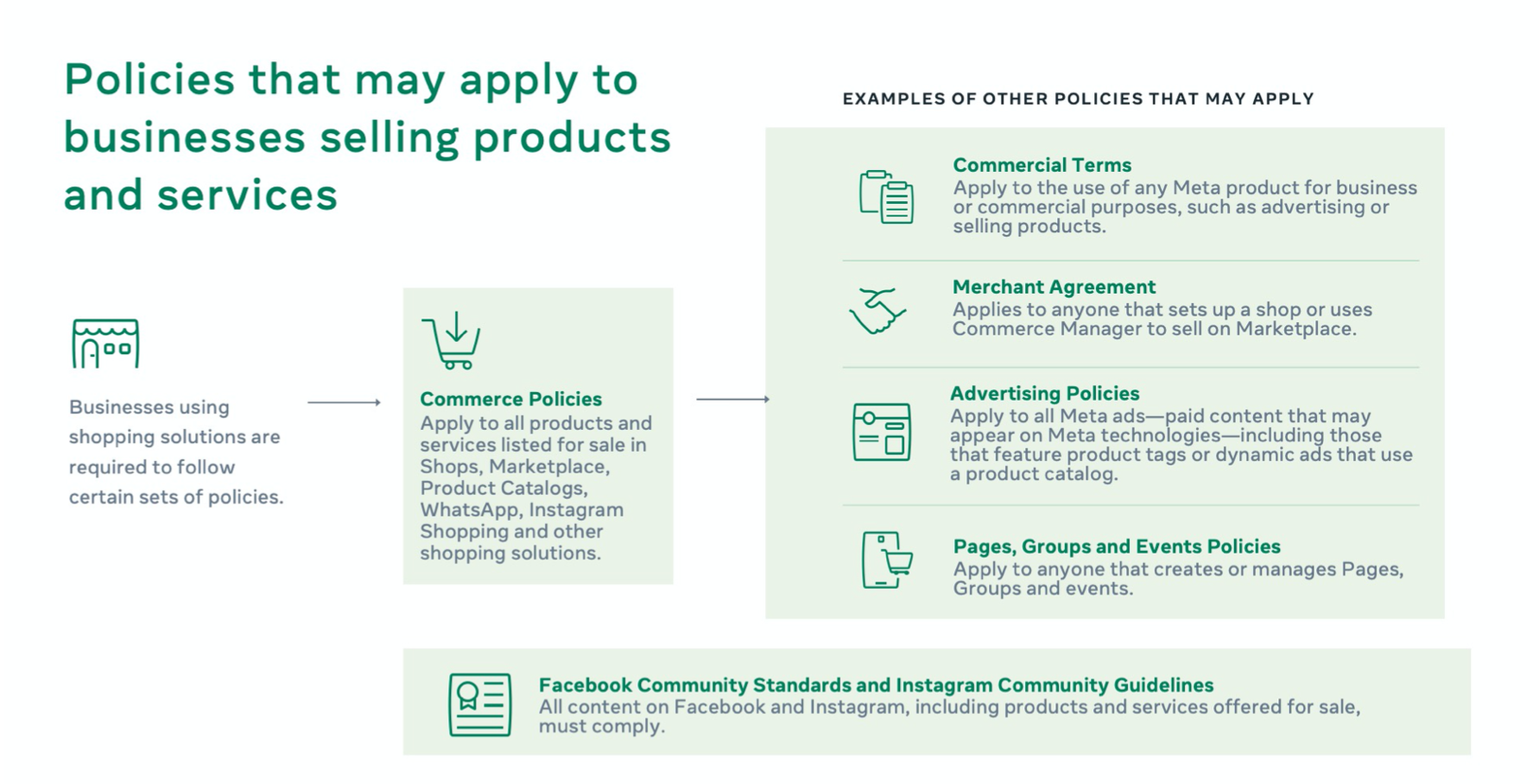
- Immersive Commerce: Native on-platform checkouts, WhatsApp integration for direct sales, and Instagram Shop ad placements established a frictionless social commerce funnel designed to retain user session duration.
- Short-Form Video Priority: Reels established itself as the baseline consumer engagement format, replacing static image feeds as the primary vehicle for organic reach and paid amplification.
- Strict Compliance and Safety: Advertisers were compelled to navigate rigorous brand suitability controls, privacy-compliant tracking mechanisms via the Conversions API, and heightened platform governance.
Meta’s heavy financial commitment to the metaverse—exceeding $36 billion in cumulative investment by late 2022—demonstrated CEO Mark Zuckerberg’s long-term vision of bridging physical and virtual digital environments via augmented and virtual reality technologies. While commercial adoption of hardware ecosystems such as the Quest platform progressed incrementally, the foundational software architectures developed for immersive spatial computing began directly influencing mainstream social applications.
Ultimately, the structural transitions executed by Meta throughout 2022 established a modernized, highly automated technological foundation. For enterprise brands and digital marketers, navigating the 2023 ecosystem required abandoning legacy manual optimization tactics in favor of creative diversification, data privacy compliance, and full alignment with Meta’s machine-learning-driven infrastructure.