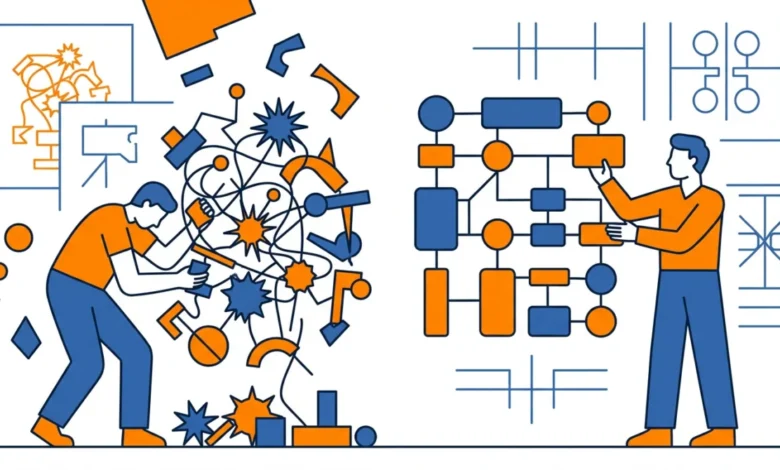
The pursuit of personal and professional optimization often leads individuals down a path of exhaustive self-invention. Whether the objective is to improve nutritional habits, increase creative output, or streamline complex administrative workflows, the conventional advice—to "design your own system"—frequently leads to failure. Psychological research suggests that the collapse of these self-designed systems is rarely a matter of insufficient willpower or discipline; rather, it is a failure of structural design. When faced with the cognitive fatigue of a standard workday, individuals often lack the concrete, actionable instructions necessary to maintain momentum.
The Science of Behavioral Replication
In the field of behavioral science, the tendency to reinvent the wheel is a significant barrier to habit formation. Researchers like Katy Milkman, a professor at the Wharton School and author of "How to Change," have extensively documented the efficacy of borrowing successful behavioral patterns rather than creating them from scratch. According to studies on habit formation, the primary source of friction in adopting a new routine is ambiguity. When a goal remains abstract—such as the desire to "eat healthier"—it requires a constant stream of high-energy decisions. Conversely, when a goal is translated into a specific, executable instruction set, the cognitive load is reduced significantly.
This concept, often described as the "Copy and Paste Strategy," relies on identifying a peer who has already achieved the target outcome and intentionally replicating their process. By removing the need for creative system-building, an individual can bypass the "friction of ambiguity," turning vague aspirations into a predictable, repeatable sequence of events.
The False Consensus Effect and Strategic Blind Spots
A major psychological obstacle to this strategy is the "false consensus effect," a cognitive bias in which individuals assume that their internal struggles, thought processes, and behavioral patterns are shared by the majority of their peers. This assumption causes many to believe that if they are struggling with a specific task, others must be experiencing the same difficulty.
Consequently, individuals often fail to seek out mentorship or guidance, operating under the incorrect assumption that no one has yet "solved" the problem they are facing. This lack of inquiry acts as a self-imposed barrier to growth. Statistical analysis of workplace productivity indicates that high-performing individuals often rely on codified systems that are not intuitive to novices. By breaking the assumption that one’s own struggles are universal, individuals can begin to identify role models who have already standardized the very tasks that others find overwhelming.
Shifting the Focus: From Motivation to Tactics
One of the most common pitfalls in professional development is the tendency to seek "pep talks" or motivational advice from high-achievers. While inspiration may provide a short-term emotional boost, it rarely provides the granular data required to build a functional daily routine.
Expert practitioners emphasize that the most effective questions are those that focus on "the Tuesday scenario." Instead of asking a mentor, "How do you stay motivated?"—which invites an abstract or anecdotal response—successful learners ask, "What do you do on a normal Tuesday?" or "What is your default action when you are exhausted?"
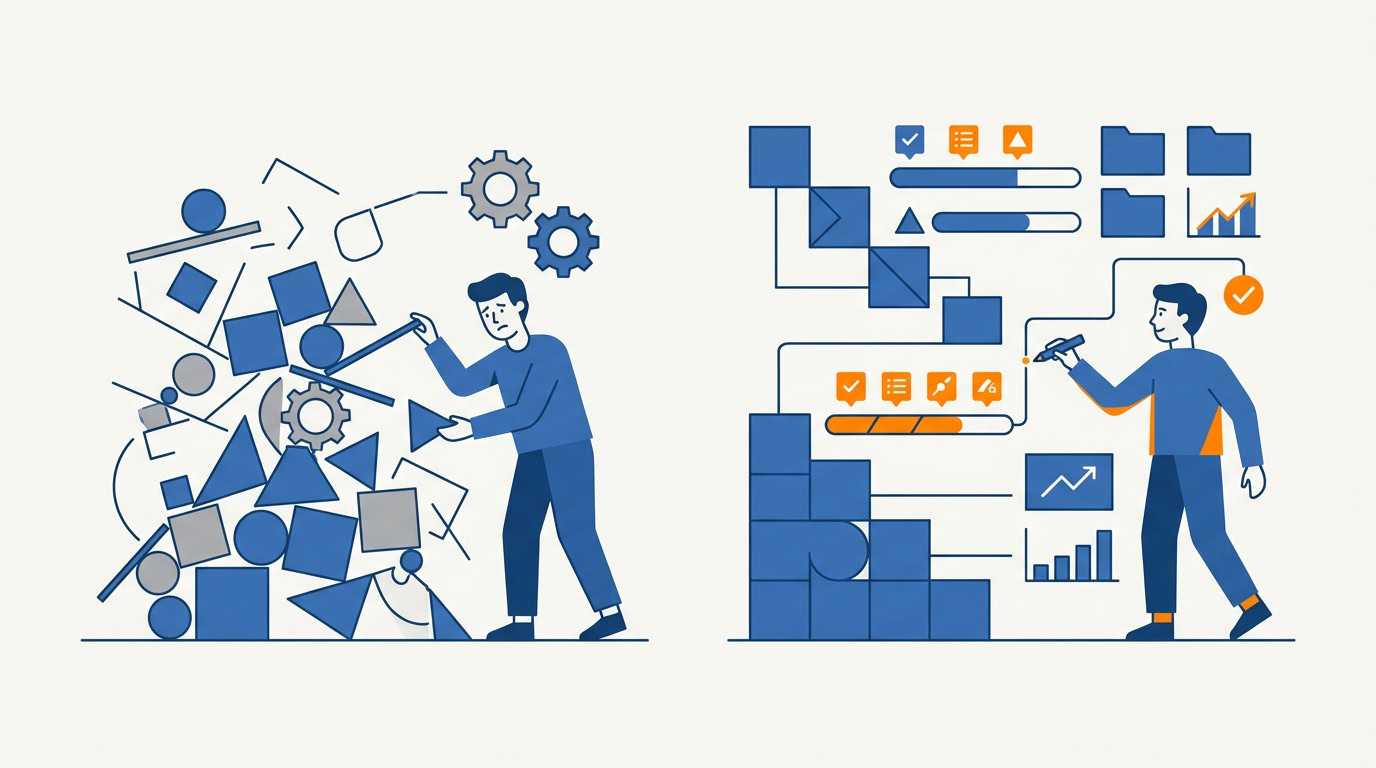
These questions yield high-signal, actionable data. For example, knowing the exact steps a professional takes when they are too tired to engage in complex work provides a "playbook" for the individual’s own low-energy moments. This creates a "decision-free" environment; when the specific situation arises, the individual does not need to summon willpower—they simply execute the pre-written script.
The Importance of Constraint-Matching
A critical error in the "copy and paste" approach is the selection of an inappropriate model. Many individuals attempt to emulate the routines of high-profile celebrities or executives who operate under entirely different constraints. For instance, adopting the morning routine of a public figure who employs a private chef and a personal assistant is rarely sustainable for someone managing a full-time career, a commute, and domestic responsibilities.
Professional consultants and productivity experts stress that one must copy the "logic, not the lifestyle." The goal is to identify a "close match"—a peer or mentor who navigates similar constraints. By analyzing the workflow of someone with a comparable job type and family life, an individual can extract the underlying logic of a system and adapt it to their own environment.
This is the principle behind modern workflow automation. In many corporate settings, professionals are moving away from manual, repetitive tasks by borrowing the logic of automation. By identifying a repetitive task—such as drafting routine correspondence or reports—and implementing a pre-existing workflow, individuals can eliminate the mental friction of starting the work. In this context, the "system" is not a life-change, but a simple mechanical trigger that initiates the process, such as moving a task into a specific software category to generate an automated draft.
Implementing the Seven-Day Experiment
The most sustainable way to integrate new behaviors is through short-term, low-stakes testing. Attempting to overhaul one’s entire lifestyle overnight typically triggers significant psychological resistance, often leading to a total abandonment of the new system within days.
Instead, experts recommend the "seven-day experiment." By committing to a single, small tactic for exactly one week, an individual lowers the barrier to entry and removes the pressure for perfection. This window is long enough to determine whether the tactic effectively fits within one’s current context, but short enough to mitigate the risk of a major investment in an incompatible system.
Broader Implications and Summary
The shift from "inventing" to "copying" represents a fundamental change in how individuals approach productivity. It moves the focus from internal, abstract willpower to external, concrete systems.
- Identify the Struggle: Determine one specific, repetitive task that consumes excessive mental energy.
- Find the Peer: Locate an individual who has already solved this specific challenge, ensuring they operate under similar constraints.
- Ask for the Playbook: Focus inquiries on tactical, "Tuesday-based" routines rather than motivational concepts.
- Execute and Adapt: Implement the tactic as a seven-day experiment to measure efficacy.
As industries become increasingly complex, the ability to rapidly adopt and adapt successful systems becomes a vital professional skill. By treating personal and professional development as a process of continuous, tactical integration rather than creative invention, individuals can significantly reduce the cognitive friction associated with their goals. The evidence suggests that for most, the shortest distance between a current struggle and a solved problem is the adoption of a proven, pre-existing playbook.
Related posts: